Sea moss has a glowing reputation online, but your body might still be wondering:
“Is this actually safe for me?”
That’s a smart question. Every powerful food has a context. Let’s walk through possible side effects, who should be cautious, and how to work with sea moss in a way that feels respectful to your system.
Common, usually mild reactions
Many people introduce sea moss with no issues. When there are reactions, the most common ones are:
-
Changes in bowel movements (looser or more frequent at first)
-
Temporary bloating or gassiness as your gut adjusts to new fibers
-
Mild nausea if taken on an empty stomach or in large amounts
These often settle as you reduce the dose and give your gut a little time to acclimate.
When quality is the real problem
Some “side effects” are less about sea moss and more about how it was grown or processed.
Potential issues from poor‑quality products include:
-
Irritation or stomach upset from bleach‑dried or chemically treated moss
-
Heavy metal exposure from seaweed grown in polluted waters
-
Reactions to preservatives, gums, or flavorings added to gels
That’s why sourcing is non‑negotiable. At Samadhi, we keep it clean by using:
-
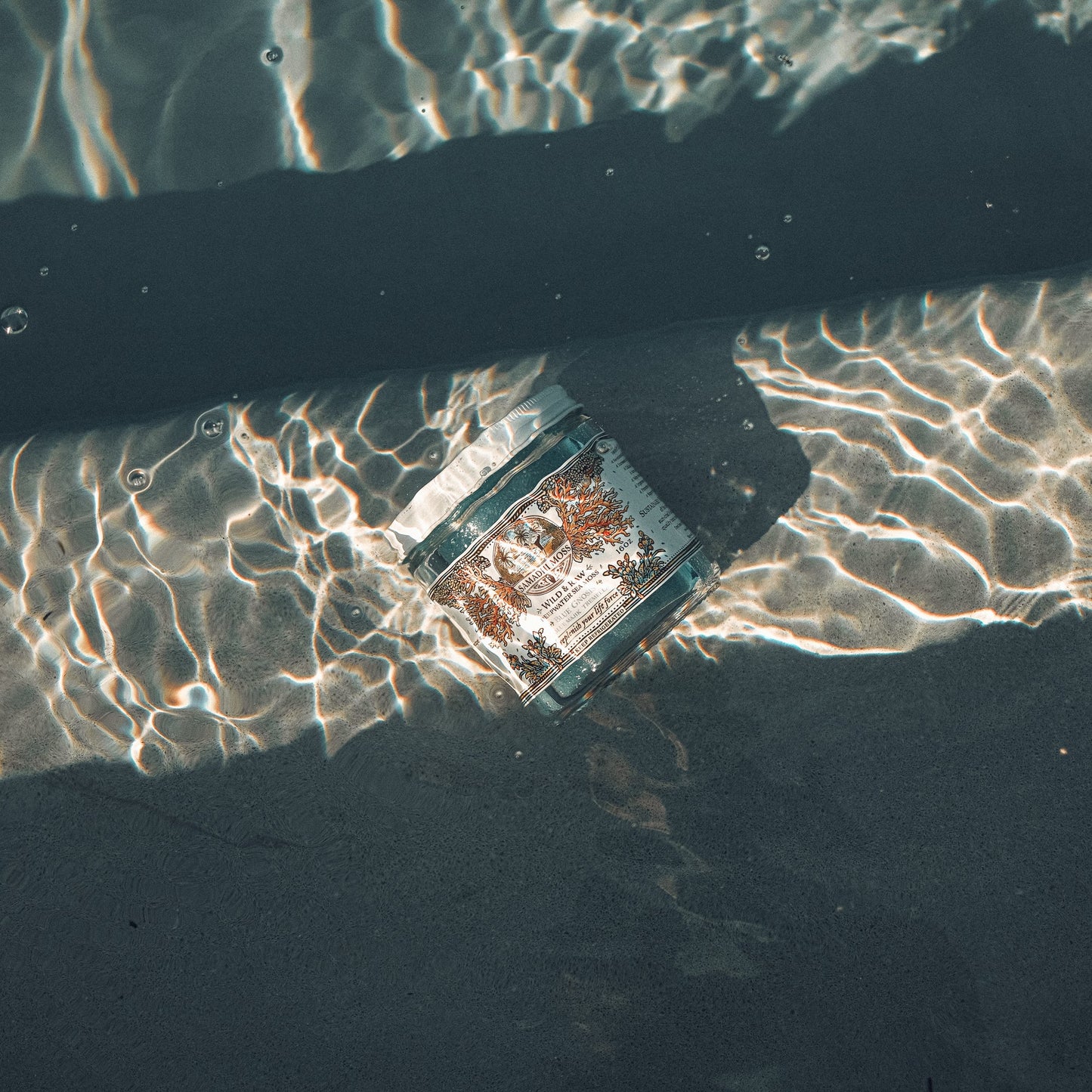
Wild, deep‑water, rock‑harvested sea moss
-
Natural sun‑drying and careful cleaning
-
Raw, unpasteurized gels made with spring water and no citric acid or synthetic stabilizers
You deserve ocean magic, not chemical mysteries.
The big one: iodine and thyroid
The most serious side‑effect conversation around sea moss is iodine.
-
Sea moss can be naturally iodine‑rich
-
Too much iodine can worsen or trigger thyroid problems, especially in people with underlying conditions
Large medical centers and pediatric hospitals have issued cautions about unregulated sea moss and seaweed supplements for this reason, particularly in pregnant or thyroid‑compromised individuals.
If you have a thyroid diagnosis, nodules, or are on thyroid medication, sea moss is not a self‑prescribe situation. It needs to be a shared decision with your provider.
Who should be extra cautious or avoid sea moss?
It’s especially important to talk to a healthcare professional before using sea moss if you:
-
Have hyperthyroidism, hypothyroidism, thyroid nodules, or thyroid cancer
-
Are pregnant, trying to conceive, or breastfeeding
-
Have kidney disease or conditions affecting mineral balance
-
Take medications that interact with iodine, potassium or blood thinners
-
Have a history of seafood or iodine allergy
For some of these situations, your provider may recommend avoiding sea moss entirely. For others, they might approve a small, specific dose and monitor labs.
How to listen to your body
Even if you’re generally healthy, pay attention. Stop and check in with a professional if you notice:
-
Persistent digestive pain, diarrhea or severe bloating
-
New heart palpitations, racing heartbeat or unexplained anxiety
-
Sudden weight loss, extreme fatigue, feeling unusually hot or cold
-
Rashes, itching or swelling that could suggest an allergic reaction
Your body is always giving you feedback. Sea moss should feel like support, not a battle.
A safe way to introduce sea moss
If you and your provider agree that sea moss is appropriate:
-
Start with ½–1 teaspoon of gel per day, or a very small amount of powder.
-
Take it with food at first instead of on an empty stomach.
-
Stay at that level for several days and notice how your digestion, energy and mood respond.
-
If all feels well, gradually increase toward a modest daily serving (often 1–2 tablespoons of gel).
Less is genuinely more here. Sea moss is potent—especially when it’s wild and raw.
The bottom line
Sea moss is a powerful ocean plant, not a neutral glass of water.
Used wisely, in reasonable amounts, from a clean, wild source, it can be a beautiful ally for minerals, gut health and overall resilience. Used carelessly—or on top of a complicated medical picture—it can create issues your body doesn’t need.
When in doubt, slow down, ask questions, loop in your practitioner, and let your body’s response be the final word.