Fresh sea moss has a look and feel you can sense right away. The color is alive, not dull. The texture is clean, not slimy in a questionable way. The aroma is mineral-rich and oceanic, not sour, musty, or off. That is where any real sea moss freshness guide should begin - not with hype, but with your senses.
If you use sea moss as part of a daily ritual, freshness is not a small detail. It affects taste, texture, shelf life, and your confidence in what you are putting into your body. When you choose sea moss with intention, you want purity that still feels close to its source.
Why freshness matters more than people think
Sea moss is a whole-food mineral source, and the closer it stays to its clean, properly handled state, the better the experience tends to be. Freshness shapes how smoothly a gel blends, how naturally dried moss rehydrates, and how enjoyable it is to keep using every day.
It also tells you something about the chain behind the product. Sea moss does not become premium because of a label. It becomes premium through sourcing, handling, drying, preparation, and storage. No shortcuts. If any step is careless, freshness is usually the first thing to slip.
That is why a sea moss freshness guide is really a quality guide. You are not just checking whether something is expired. You are reading the signs of how it was harvested, prepared, and respected.
The freshness signals to watch for
Fresh sea moss gel should feel clean and stable
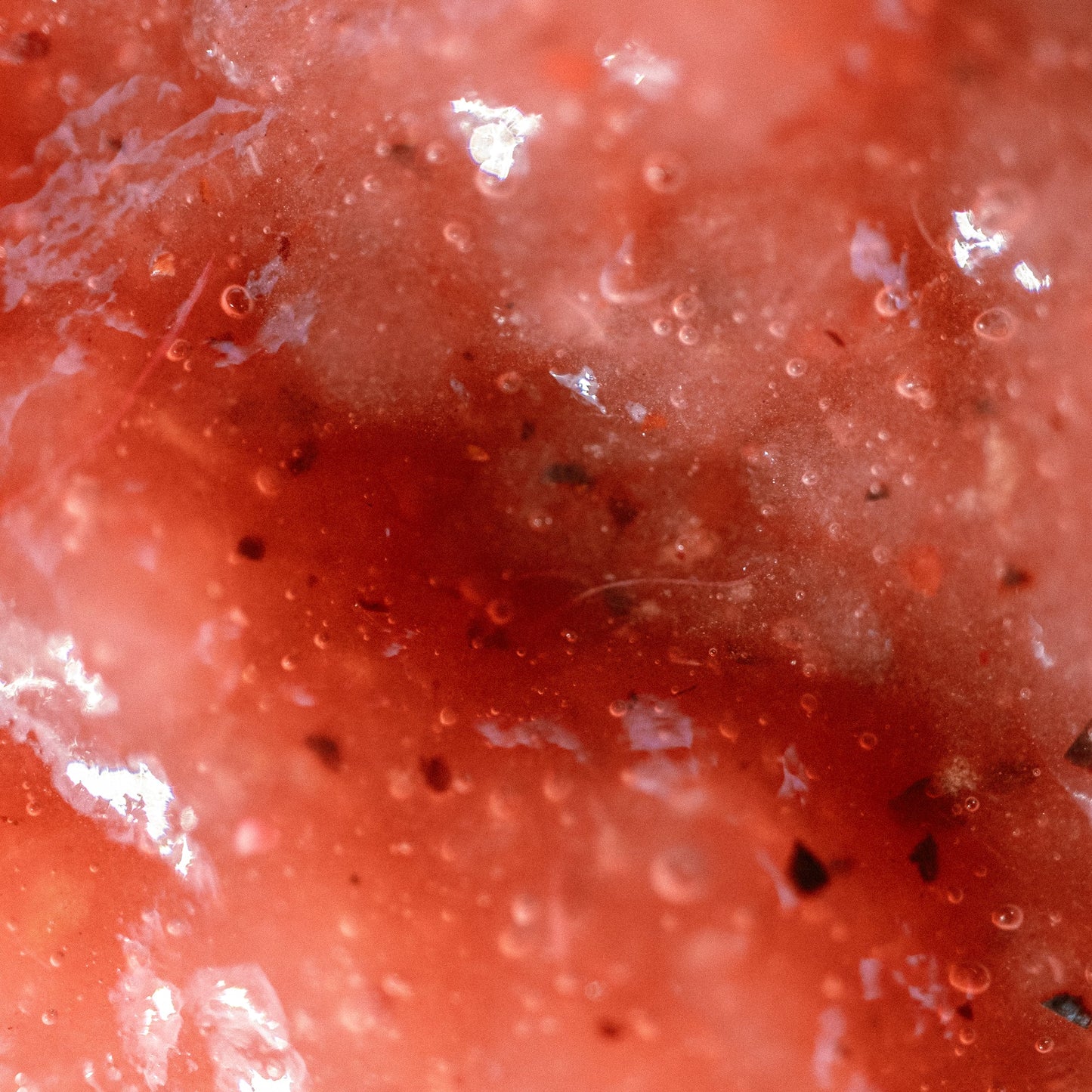
A well-made sea moss gel should look smooth and hydrated, with a natural consistency that holds together without feeling artificial. Depending on the blend and preparation, it may be a little more firm or a little more loose, but it should not appear separated, foamy, or suspiciously watery.
The smell matters too. Sea moss gel can carry a mild ocean note, especially if it is made with minimal masking ingredients, but it should never smell fermented, sharply sour, or rotten. If the scent makes you hesitate, trust that instinct.
Color can vary based on the species and what is added, but the overall appearance should still feel fresh and intentional. Bright fruit blends can shift the tone, while plain gel may look more neutral or earthy. What you do not want is discoloration that looks patchy, gray in a stale way, or visually degraded.
Dried sea moss should look sun-cured, not lifeless
Dried sea moss is where many people get confused, because natural variation is normal. Wild harvested sea moss can range in color from gold to purple to deep greenish tones depending on type, environment, and drying. Variation is not the problem. Lifelessness is.
Fresh dried moss should feel dry and crisp, not damp. It should smell mildly of the ocean, not like mildew or a basement. If the bag has excessive moisture, clumping, or a stale odor, that is a red flag.
Some people expect dried sea moss to look perfectly uniform, but that can be misleading. Nature does not produce copy-and-paste strands. In many cases, slight variation is part of the integrity. What matters is that it was cleaned properly, dried correctly, and stored away from humidity.
Powder should be consistent and free-flowing
Sea moss powder should look even and finely milled, without obvious wet clumps or signs that moisture got into the container. A little settling is normal. Hard chunks, a strong off smell, or visible contamination are not.
Because powder is a more processed format, freshness depends heavily on packaging and storage. If the seal was compromised or the container has been sitting in heat and humidity, quality can decline faster than many people realize.
What freshness says about sourcing
You can learn a lot from how sea moss behaves. Freshness often reflects where it came from and how it was handled after harvest. Wild harvested sea moss gathered from clean waters and prepared in small batches tends to feel more alive than mass-handled product that changed too many hands before reaching you.
That difference matters. Farmed or rope-grown material can be produced at scale, but scale does not guarantee integrity. The same goes for sea moss that is bought through layers of middlemen with little transparency around origin or post-harvest handling.
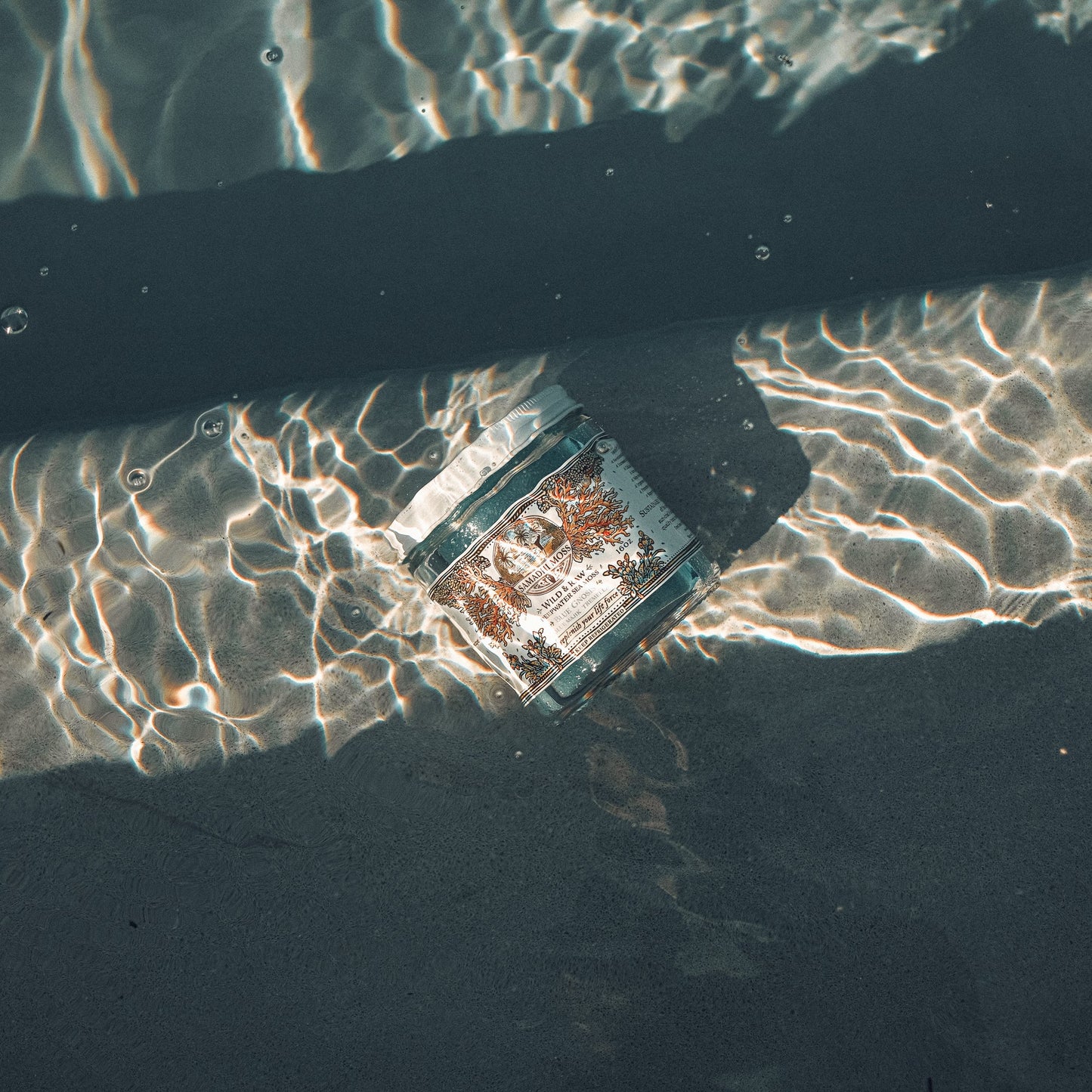
For a brand like Samadhi Moss, freshness is tied to origin on purpose. When sea moss is dived for beyond shore, directly sourced, and prepared with care, the final product carries that discipline forward. You can taste it. You can see it. You can feel the difference in your routine.
How to store sea moss so it stays fresh
Sea moss gel needs cold, consistent storage
Once sea moss is blended into gel, refrigeration is essential. Keep it sealed tightly and return it to the fridge quickly after each use. Leaving the jar open on the counter while you make breakfast every morning may not seem like much, but repeated temperature shifts wear on freshness.
Use a clean spoon every time. That small habit matters more than people think. Introducing moisture, food residue, or bacteria can shorten the life of the jar fast.
If the gel begins to smell sour, changes color noticeably, or develops an unusual texture, it is time to let it go. Stretching the last few servings is not worth it when freshness is clearly gone.
Dried sea moss needs dryness, not sunlight
Store dried moss in a cool, dry place, sealed well and protected from humidity. A pantry works. A steamy kitchen shelf near the stove does not. Direct sunlight and warm air can gradually compromise the product.
If you buy dried sea moss for DIY preparation, avoid opening the bag unnecessarily. Each exposure to air and moisture chips away at the clean state you want to preserve.
Powder needs an airtight routine
Powder is convenient, but convenience only works if the container stays dry. Always close it immediately after use, and never scoop with a wet spoon. If you live in a humid climate, this matters even more.
A powder that starts out smooth can become clumpy and stale if basic storage gets sloppy. Simple habits keep the product usable and consistent.
Common mistakes that shorten freshness
The biggest mistake is treating all sea moss formats the same. Gel, powder, and dried moss each hold freshness differently. Gel is the most perishable. Dried moss is more stable but vulnerable to humidity. Powder is easy to use but sensitive to moisture and heat.
Another mistake is focusing only on the printed date and ignoring the senses. A date matters, but so do smell, texture, color, and storage conditions after opening. A product can technically be within date and still be poorly handled.
There is also the issue of overbuying. Stocking up can make sense, but only if your storage matches the volume. If you order more than you can use while it is still at its best, freshness becomes harder to maintain.
A practical sea moss freshness guide for daily use
If you want to keep your routine clean and consistent, check sea moss the same way each time. Notice the smell first. Then look at the texture and color. Think about how it has been stored. Ask whether anything feels off.
This is not about becoming overly cautious. It is about staying in rhythm with what real food-based wellness requires. Sea moss is not meant to feel synthetic or indestructible. It is meant to feel natural, and natural products respond to care.
That is also why format matters. If you want maximum convenience, gel may fit your rhythm best, but it requires refrigeration and steady use. If you prefer more control and longer pantry life, dried moss may be the stronger choice. If speed is everything, powder can work beautifully, as long as you keep moisture out. The best option depends on your lifestyle, not just the label.
When freshness becomes part of the ritual
The cleanest wellness routines are built on attention. You notice what nourishes you. You notice what feels pure. You notice when a product still carries the energy of proper sourcing and preparation.
That awareness is not extra. It is the standard. Fresh sea moss should support your ritual with ease - mineral-rich, clean, and ready to replenish. When you choose with discernment and store with care, freshness stops being a guess and becomes part of how you protect your lifeforce every day.