A hard workout takes more than effort. It draws on fluids, electrolytes, stored carbohydrate, and the nutrients that support normal muscle function. Sea moss for post workout nutrition can be a clean addition to that recovery window, especially for people building a more intentional daily mineral ritual. But it is not a replacement for food, protein, water, or rest. Think of it as a supporting player: ocean-grown nourishment that helps complete the plate.
For the person who trains before work, lifts after a long day, or moves through a weekend of hot yoga and trail miles, recovery should feel steady rather than complicated. The goal is simple: replenish what training asks of you, without loading your routine with unnecessary fillers.
What Your Body Needs After Training
Post-workout nutrition is not about chasing a perfect 30-minute window with panic and powders. Your total nutrition across the day matters most. Still, eating and drinking within a few hours of training is a practical way to begin replenishing, particularly after long, intense, or back-to-back sessions.
Protein supplies amino acids used for muscle repair and adaptation. Carbohydrates help restore glycogen, the stored fuel used during many forms of training. Fluids and electrolytes support hydration, especially when sweat is part of the session. A meal or snack that covers these foundations will do more for recovery than any single superfood.
Sea moss belongs beside those foundations, not in place of them. Its appeal is its naturally occurring mineral content and its ease of use in a whole-food-centered ritual. The exact nutrient profile can vary by species, harvest location, processing, and serving size, so it should never be marketed as a precise substitute for an electrolyte formula or a balanced meal.
Sea Moss for Post Workout Nutrition: Where It Fits
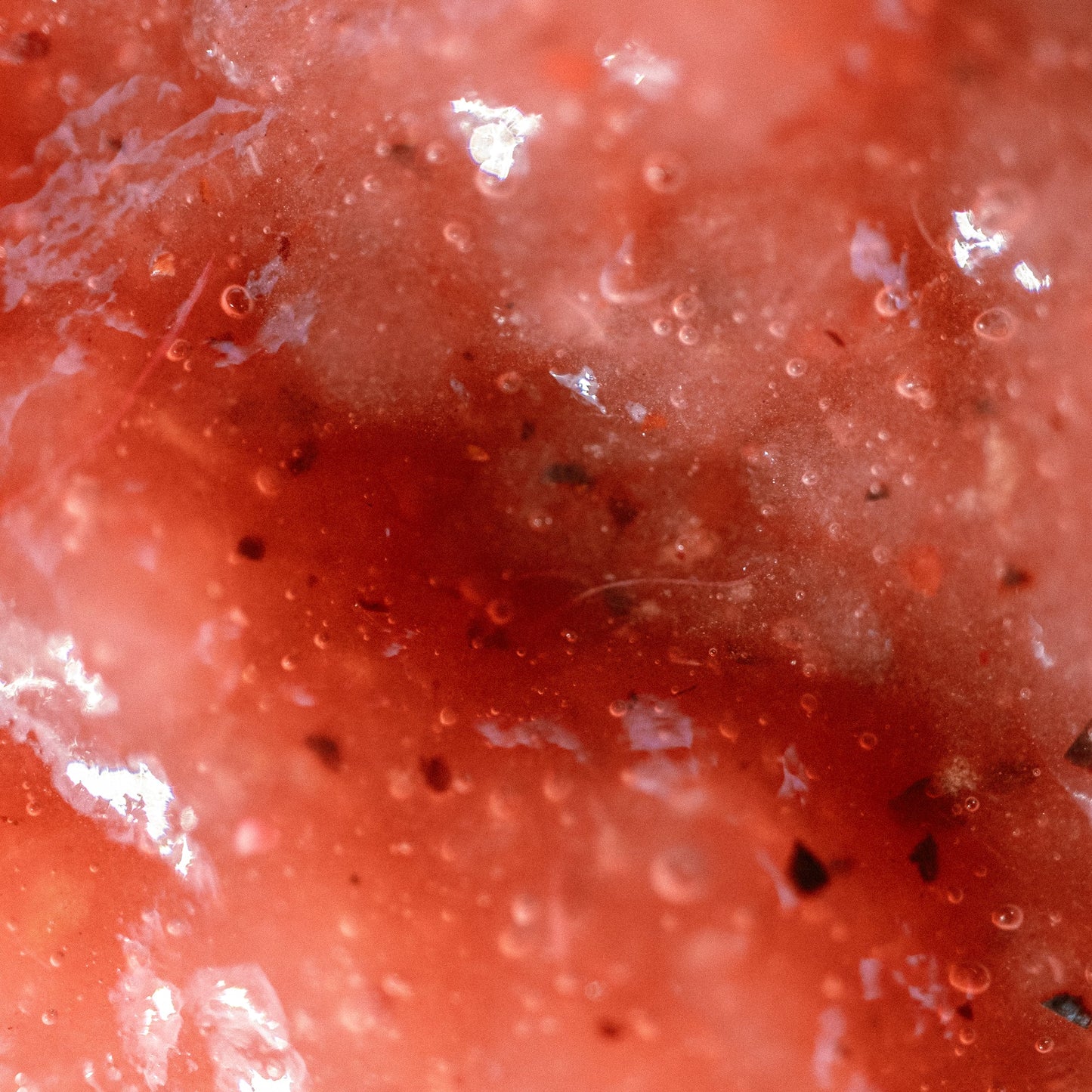
Wild harvested sea moss is naturally rich in compounds that create its soft, gel-like texture, along with trace minerals from the waters where it grows. Many people use it after training because it feels light, easy to blend, and aligned with a replenishing routine. When paired with fruit, yogurt, a protein source, and water or milk, it can turn a basic smoothie into something more intentional.
That matters most when consistency is the real goal. A recovery ritual you enjoy is one you are more likely to repeat. Sea moss gel can disappear into a cold smoothie, while powder offers a convenient option for shaker bottles and travel. Dried sea moss is for those who want the hands-on process of rinsing, soaking, and preparing their own gel at home.
The key distinction is honest expectations. Sea moss does not provide the meaningful protein dose needed to support muscle protein synthesis. It also will not replace the carbohydrate needs of an endurance athlete after a demanding session. Its role is complementary: a mineral-forward addition to a recovery meal built on real fuel.
Build the Recovery Smoothie First
Start with the essentials, then add sea moss. A well-built post-workout smoothie might include a protein source such as Greek yogurt, cottage cheese, soy milk, or protein powder; a carbohydrate source such as banana, berries, oats, or mango; and a fluid base. Add sea moss gel for texture and a subtle ocean-derived nutritional boost.
For a more substantial meal, use sea moss in a smoothie alongside eggs and toast, a grain bowl with beans, or salmon with rice and vegetables. The format matters less than the balance. If your workout was brief and low intensity, a regular meal may be all you need. If it was long, hot, or especially sweaty, prioritize fluids, sodium, and carbohydrates with more purpose.
Timing Depends on the Training
Someone finishing a 45-minute strength session before dinner has different recovery needs than someone completing a two-hour summer run. For most recreational exercisers, having protein and carbohydrates in the next few hours is plenty. Those training multiple times in one day, competing, or exercising with limited time between sessions may benefit from eating sooner.
Sea moss can be used immediately after training or later in the day. There is no proven recovery advantage to taking it at a precise minute. Choose the timing that works with your digestion and routine. If a thick smoothie feels heavy right after intense intervals, hydrate first and have your sea moss blend once your appetite returns.
Purity Changes the Ritual
Not all sea moss enters your kitchen with the same story. Farmed or rope-grown material may be easier to produce at scale, but origin, handling, and preparation still matter. When you choose sea moss, look beyond a bright label and vague claims. Ask where it was harvested, whether it was wild harvested, and how it was prepared.
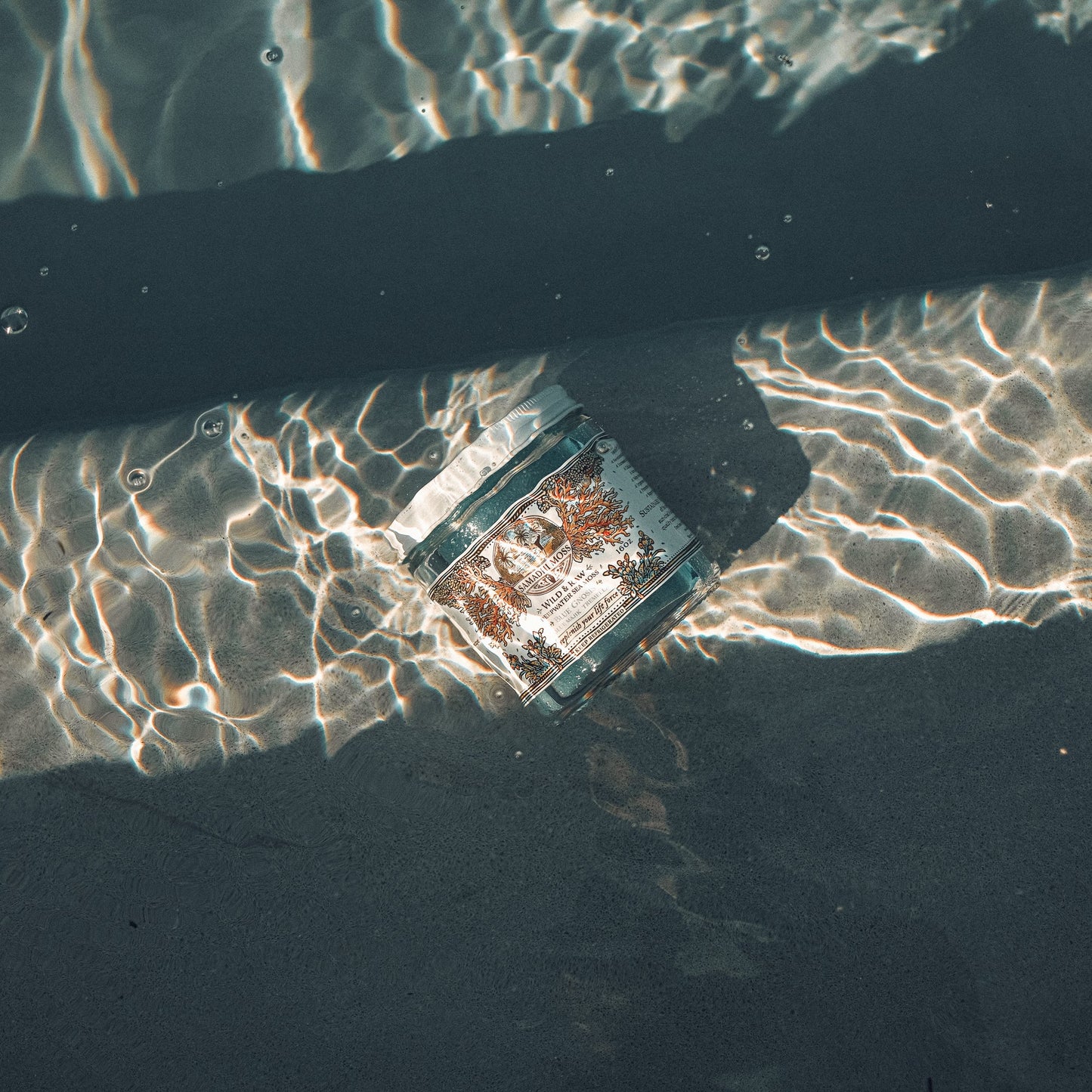
Samadhi Moss is dived-for beyond the shore in Belize, never farmed, and sourced directly from local divers. That level of intention matters because wellness products should not ask you to compromise on provenance. Small-batch preparation respects the ingredient and keeps the ritual close to its source.
Sea moss also has a naturally mild marine character. Quality should not mean masking everything with artificial sweetness or unnecessary additives. Blend it with ingredients that serve your body and your taste: citrus, pineapple, ginger, berries, vanilla, or coconut water all work beautifully depending on your training and preferences.
How Much to Use After a Workout
Follow the serving guidance on your chosen sea moss product. More is not automatically better. Because sea moss can contribute iodine, individual tolerance and total dietary iodine intake matter, especially for anyone with a thyroid condition or a history of thyroid concerns.
Start with a modest serving and pay attention to how you feel. Some people tolerate sea moss comfortably every day; others prefer a few times per week or find that smaller amounts suit their digestion better. If you are pregnant, breastfeeding, managing a health condition, taking medications, or have concerns about iodine, speak with a qualified healthcare professional before making it a regular part of your routine.
The same grounded approach applies to athletes who sweat heavily. Sea moss contains naturally occurring minerals, but it is not a guaranteed replacement for sodium lost through sweat. During prolonged activity, or after sessions in high heat, use a hydration strategy that includes enough fluid and sodium for your individual needs.
A Recovery Ritual Worth Repeating
There is a difference between adding another supplement out of anxiety and creating a ritual that supports how you want to feel. The first becomes clutter. The second becomes care.
Keep your post-workout routine clean: hydrate, eat enough protein and carbohydrates, and give your body time to rest. Then let sea moss earn its place as a simple, mineral-rich layer of the practice. A spoonful in a fruit-forward smoothie can be a small signal to your body that the work is done and replenishment has begun.
Train with intention. Recover with the same standard. The most powerful ritual is the one you can return to tomorrow.