A jar of sea moss powder can make a daily wellness ritual feel remarkably simple: one scoop, a little liquid, and a moment set aside for replenishment. But a useful sea moss powder guide starts before the blender. Powder is only as intentional as the sea moss behind it - where it grew, how it was harvested, and what happened between the ocean and your pantry.
For people who want mineral-rich nourishment without keeping fresh ingredients on hand, powder offers a clean, flexible format. It belongs in the routines built around consistency, not complication.
What Sea Moss Powder Is
Sea moss is a type of red algae harvested from coastal waters. Sea moss powder is made by cleaning and dehydrating the moss, then milling it into a fine form that can be added to food and drinks. Unlike a ready-made gel, it does not need to be spooned from a refrigerated jar. Unlike a dried whole-moss bag, it does not require soaking and blending before it becomes usable.
That convenience is the appeal. A quality powder gives you a shelf-stable way to work sea moss into smoothies, juices, oatmeal, yogurt, or recipes without changing your entire morning.
Still, not every powder deserves the same confidence. The supplement space is crowded with vague sourcing claims, anonymous blends, and ingredients chosen for scale instead of integrity. Sea moss is a sea-grown food. Its environment matters.
The Sea Moss Powder Guide to Choosing Well
Start with the source, not the label design. Sea moss can be farmed or wild harvested, and those terms describe meaningfully different supply chains. Farmed sea moss is often rope-grown in managed coastal areas. Wild harvested sea moss grows naturally in its marine environment and is gathered directly from the water.
Wild harvesting is not automatically a guarantee of excellence. The questions are more specific: Is the harvesting region identified? Is the product gathered responsibly? Is it handled with care after harvest? Does the company clearly explain its process rather than hiding behind broad wellness language?
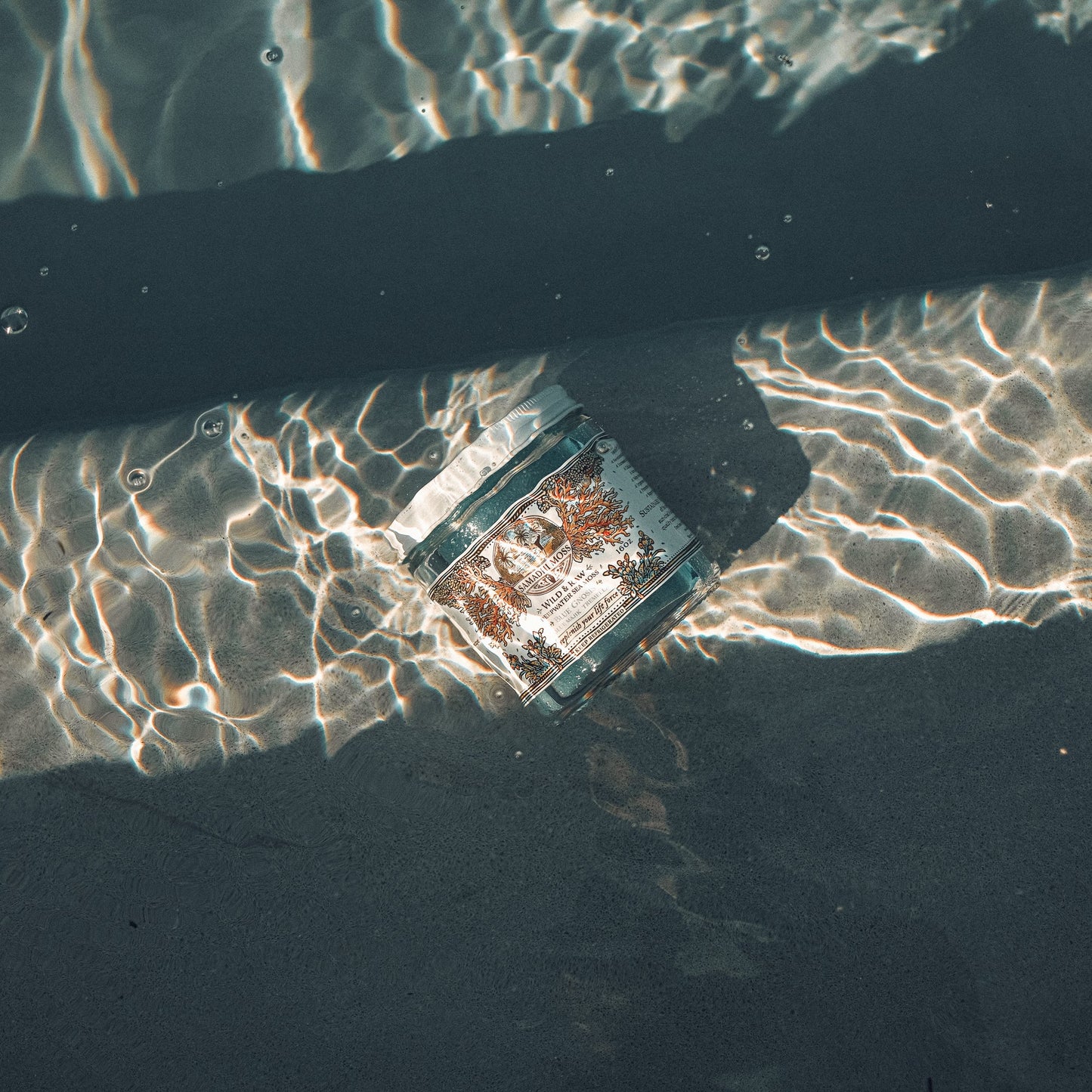
Samadhi Moss sources wild sea moss from Belize, dived for beyond shore by local divers, never farmed and prepared in small batches. That level of specificity matters because it connects the powder in your cabinet to a real place, real water, and a real harvesting practice. No shortcuts is more than a slogan when quality begins at the source.
A clean sea moss powder should also have a straightforward ingredient statement. Ideally, you are buying sea moss, not a mystery mix padded with sweeteners, artificial flavors, gums, or unnecessary fillers. Some flavored blends have a place if taste helps you stay consistent, but they should be transparent about what is included and why.
Color can vary, too. Natural sea moss is not manufactured to look identical from one harvest to the next. A subtle shift in tone does not necessarily signal a problem. Strong chemical odors, excessive sweetness, or an ingredient list that reads like a science project are better reasons to pause.
Powder, Gel, or Dried Moss?
The best format depends on how you actually live. Sea moss gel is ready to use and often feels easiest for people who like a chilled spoonful, a smoothie addition, or a prepared ritual with no mixing required. Dried whole moss offers the most hands-on experience. You rinse, soak, blend, and create your own gel at home.
Powder sits in the middle. It is portable, low-maintenance, and easy to measure. It works well for travel, office routines, and anyone who wants to add sea moss to a shake without giving up refrigerator space. The trade-off is texture: if you add powder directly to a cold drink and stir casually, it may clump. A blender, shaker bottle, or quick slurry solves that problem.
There is no prize for choosing the most labor-intensive option. The right format is the one you will use with care and consistency.
How to Use Sea Moss Powder
Read the serving guidance on your product first. Powders differ in concentration and grind, so the label should set the baseline. Begin with the suggested amount rather than assuming more is better. Your body deserves a gradual, observant approach.
For a smooth result, mix the powder with a small amount of room-temperature water, juice, or plant milk first. Stir it into a thin paste, then add the rest of your liquid. This gives the powder a chance to hydrate before it meets ice or thicker ingredients.
Make It Part of Food You Already Love
Sea moss powder has a mild oceanic character that is usually easy to layer into fuller flavors. Blend it into a berry smoothie with banana and ginger, whisk it into citrus juice, or add it to oatmeal with cinnamon and fruit. It can also work in yogurt bowls, chia pudding, soups, and homemade energy bites.
If you are sensitive to texture or flavor, start with a smoothie. Mango, pineapple, berries, cocoa, vanilla, and warming spices tend to make the ritual feel especially approachable. The goal is not to disguise your wellness routine with excess sugar. It is to create a preparation you genuinely look forward to.
Choose one anchor point in your day. Add it to a post-workout shake, your first meal, or an afternoon smoothie when energy starts to dip. A daily ritual becomes lasting when it fits the rhythm you already have.
What to Expect From a Consistent Ritual
Sea moss is often chosen as part of a broader nourishment practice focused on mineral intake, hydration, and everyday vitality. It is food-based support, not a shortcut around sleep, balanced meals, movement, or medical care. The most grounded approach is to pay attention to how your overall routine feels over time.
Some people appreciate sea moss because it helps them stay connected to intentional nourishment on busy days. Others simply enjoy the convenience of a plant-based addition to their usual recipes. Both are valid reasons to use it.
Avoid treating sea moss powder like a cure-all. Claims that any single ingredient will fix fatigue, transform hormones, or replace a varied diet should raise concern. Real wellness is less dramatic and more durable: clean inputs, repeated habits, and enough patience to notice what serves you.
A Note on Iodine and Individual Needs
Because sea vegetables can naturally contain iodine, sea moss is not right for every person in every amount. Iodine levels can vary based on species, growing conditions, and processing. If you have a thyroid condition, are pregnant or breastfeeding, take medication, or have been advised to limit iodine, speak with a qualified healthcare professional before making sea moss part of your daily routine.
The same care applies if you have allergies, a medical condition, or a history of sensitivity to new supplements. Start slowly, follow the product directions, and stop using it if it does not agree with you. Intentional wellness means listening to your body, not pushing past its signals.
Storage That Protects the Powder
Keep sea moss powder tightly sealed in a cool, dry place away from direct sunlight and steam. A pantry shelf is usually better than a cabinet above the stove. Moisture is the enemy of a fine powder, so use a dry scoop every time and close the container promptly.
You do not need to refrigerate most powders unless the packaging says otherwise. Refrigeration can introduce condensation when the container is opened repeatedly. Check the best-by date, trust your senses, and replace the product if it develops an unusual odor, visible moisture, or signs of spoilage.
A sea moss powder ritual does not have to be elaborate to be meaningful. Let it be one clear act of care: choose a source with integrity, prepare it well, and give your body the steady nourishment of a practice you can keep.