The difference between sea moss that merely looks natural and sea moss that is genuinely clean begins long before it reaches your kitchen. This Belize sea moss quality review looks at the standards that shape a worthy daily ritual: where the moss grows, how it is harvested, how it is cleaned, and whether the finished product still feels close to the ocean.
Sea moss has become a staple for people seeking more intentional nourishment. But popularity has created noise. A bright package, a broad mineral claim, or a low price does not tell you whether the moss was farmed on ropes, sourced through layers of middlemen, or handled with care. Quality is not a slogan. It is a chain of decisions.
What Makes Belize Sea Moss Different?
Belizean sea moss is valued for its Caribbean growing environment and the natural variation that comes with wild harvesting. Rather than being cultivated in controlled offshore lines, wild sea moss grows attached to rock formations beneath the water. It develops in moving currents, with sun, salt, and mineral-rich seawater shaping its texture and color.
That distinction matters because wild moss is not uniform by design. One batch may show golden, purple, green, or reddish tones. Another may have a more delicate structure or a firmer, more mineral-forward ocean scent. Nature does not produce identical strands, and a quality seller should not pretend otherwise.
Wild harvesting also asks more of the people doing the work. Divers must travel beyond the shore, locate mature moss, and harvest selectively rather than stripping an area bare. When done responsibly, this approach supports the local Belizean divers who know these waters while respecting the living environment that produces the moss.
Farmed sea moss is not automatically unusable, but it is a different product with a different origin story. Rope-grown moss is often selected for speed, consistency, and volume. For buyers looking for a more direct connection to wild ocean nourishment, knowing the harvesting method is essential.
Belize Sea Moss Quality Review: The Standards That Matter
A meaningful quality review should go beyond whether a gel tastes good in a smoothie. Start with traceability. Can the seller clearly identify Belize as the source? Do they explain whether the sea moss is wild harvested, dived-for, or farmed? Vague language such as “ocean-grown” can sound appealing while saying very little.
Next, look at the path from ocean to jar. High-quality sea moss is cleaned thoroughly to remove sea salt, sand, shells, and visible marine debris. It should be rinsed with care, not aggressively processed until it loses its natural character. Clean preparation is about patience. It is also about avoiding unnecessary fillers, artificial colors, and preservatives that have no place in a simple sea moss formula.
Small-batch preparation is another strong signal. Sea moss gel is a fresh food-style product, not an industrial powder designed to sit anonymously on a warehouse shelf for years. Making gel in smaller batches allows closer attention to texture, freshness, and consistency. It does not mean every jar will look perfectly identical. It means the process can honor the ingredient instead of forcing it into a mass-production mold.
The best products also tell you what is in the jar without making you work for the answer. A plain sea moss gel should have a short ingredient list. Flavored varieties may include recognizable fruit, herbs, or spices, but the sea moss should remain the foundation. If a product relies on sweeteners, gums, or a long list of additives to create its experience, ask what is being covered up.
Texture, Color, and Aroma: What to Expect
Wild Belize sea moss does not need to look bleached or perfectly clear to be high quality. In fact, overly uniform color can be a reason to look closer at how the product was processed. Natural moss commonly ranges from light gold to deep purple, with color shifts influenced by its growing conditions and variety.
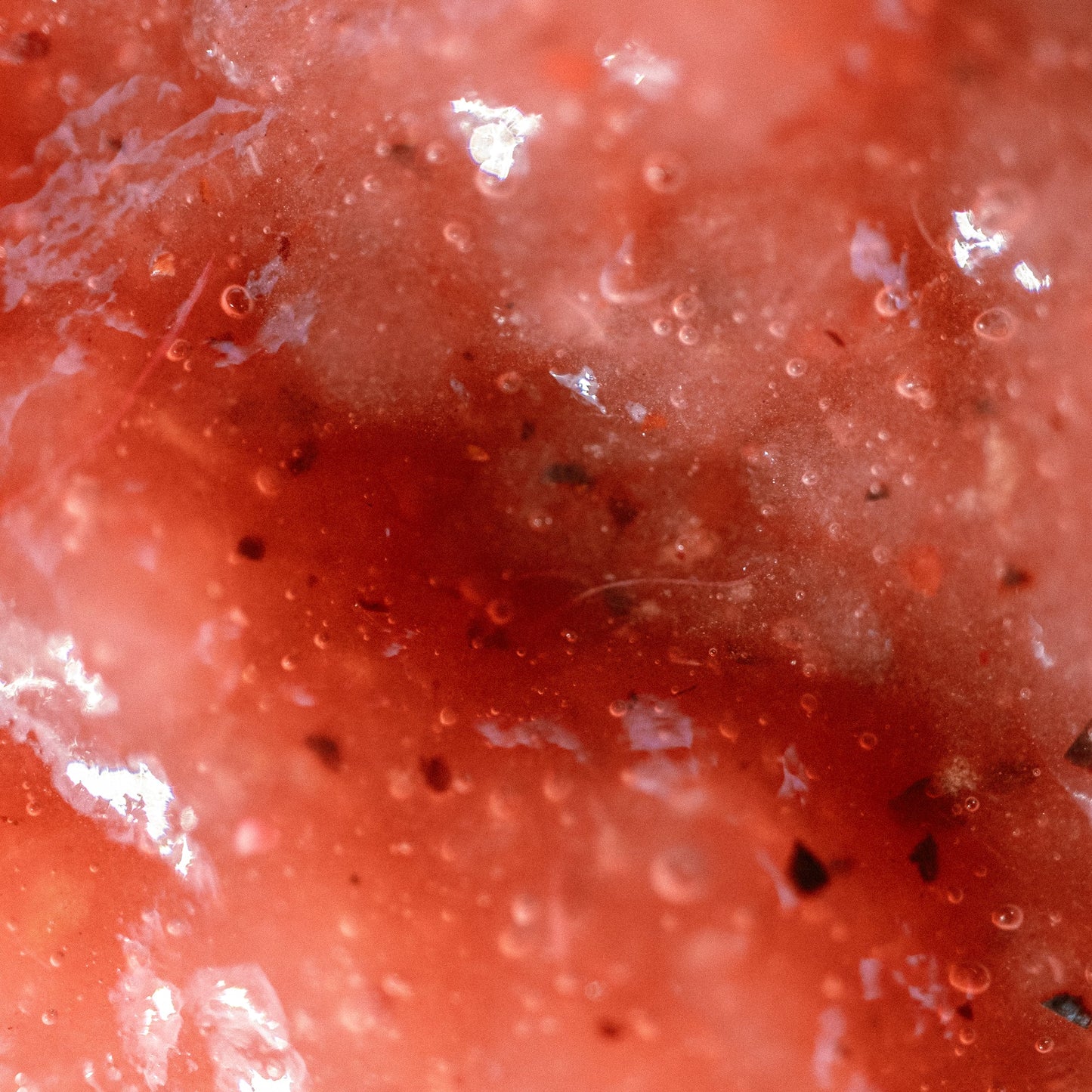
Dried sea moss should feel dry and crisp, not damp, oily, or coated. It may carry a clean marine aroma, especially before soaking. That scent should be oceanic rather than sour, musty, or chemical. Once soaked and blended into gel, properly prepared sea moss usually has a smooth, spoonable texture. It may be slightly textured depending on the batch and blending method, which is not necessarily a flaw.
Sea moss is naturally subtle in flavor. Plain gel can taste clean, neutral, and lightly briny. Some people prefer it straight from the spoon; others blend it into smoothies, teas, soups, or fruit-forward recipes. The right format depends on your rhythm. Gel offers convenience, dried moss gives you full control over preparation, and powder can suit travel or simple recipe use.
The Trade-Off Between Convenience and Control
Ready-to-use gel is built for consistency in a busy wellness routine. A refrigerated jar makes it easy to add a spoonful to breakfast, a post-workout shake, or an evening tea without soaking and blending at home. For many people, that convenience is what turns an intention into a daily practice.
Dried sea moss bags ask for more time, but they offer a closer relationship with the ingredient. You can rinse, soak, blend, and choose the final thickness yourself. This is often the better choice for people who want to make larger batches at home or keep their ingredient list completely within their own hands.
Powder sits somewhere in between. It is compact and practical, though it does not provide the same fresh gel experience or hands-on preparation ritual. There is no universally best format. The right one is the product you will use consistently, store correctly, and genuinely enjoy.
Questions Worth Asking Before You Buy
Before bringing sea moss into your routine, ask direct questions. Where was it harvested? Was it wild harvested or farmed? Is the supplier transparent about preparation? What other ingredients are included? How should it be stored, and what is the recommended freshness window?
For sea moss gel, refrigeration is non-negotiable. Follow the storage directions, use a clean utensil, and pay attention to changes in smell, color, or texture. Freshness is part of the value proposition, not an inconvenience to work around. Dried moss should be stored sealed in a cool, dry place until you are ready to prepare it.
It is also wise to keep expectations grounded. Sea moss can be a nourishing addition to a whole-food lifestyle, but it is not a replacement for balanced meals, sleep, movement, or medical guidance. Because sea moss naturally contains iodine, people with thyroid concerns, iodine sensitivities, or relevant medical conditions should speak with a qualified healthcare professional before making it a regular supplement.
A Better Standard for Your Daily Ritual
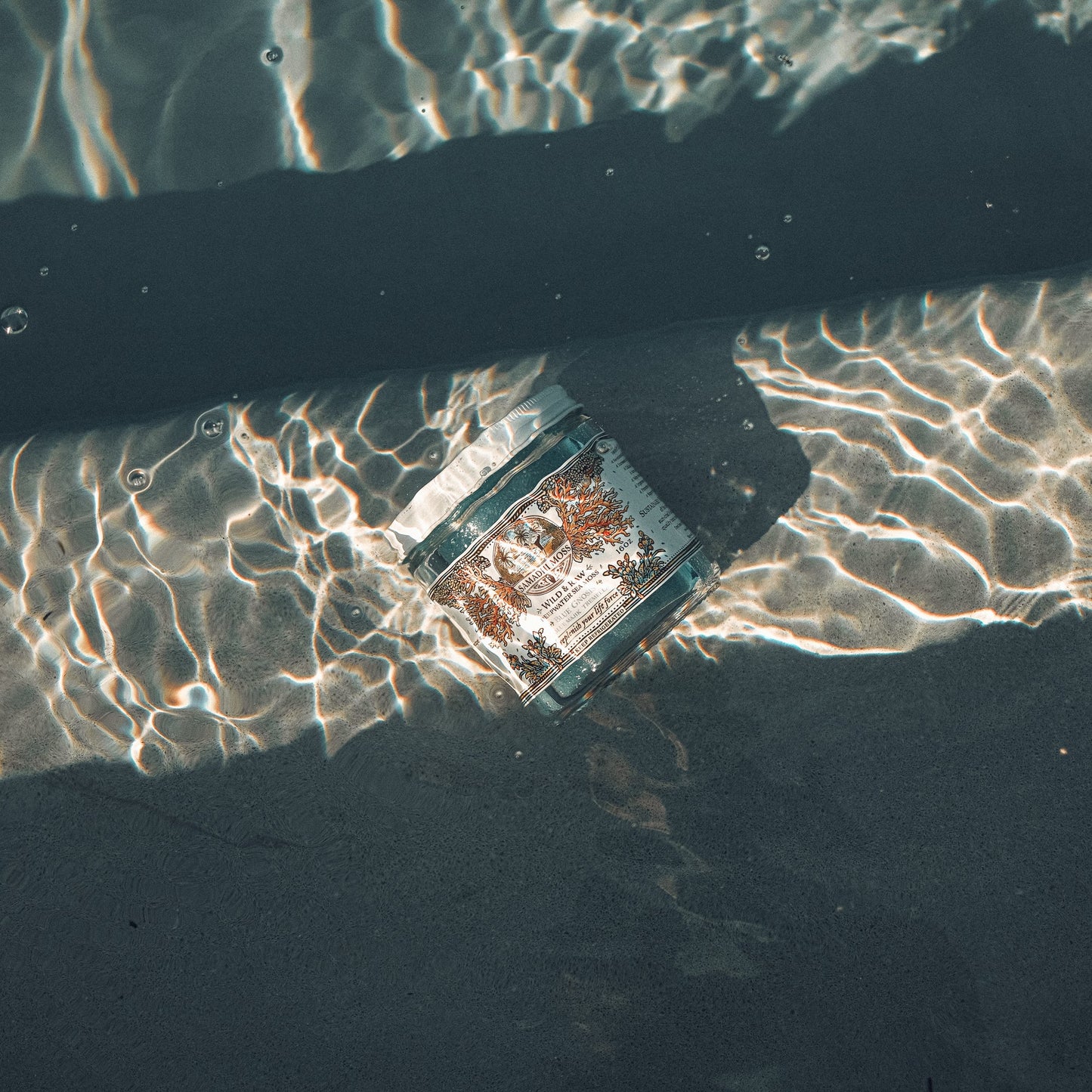
Quality sea moss should feel uncomplicated: clear origin, conscious harvest, clean handling, and a format that fits your life. Samadhi Moss centers that standard with wild, dived-for Belizean sea moss sourced directly from local divers and prepared in small batches. No shortcuts, no anonymous supply chain, no need to guess what your wellness ritual is built on.
Choose sea moss with the same discernment you bring to the rest of your nourishment. Read the label. Ask about the water, the harvest, and the hands that prepared it. When the source is clear, each spoonful becomes more than a trend. It becomes a simple, grounded act of replenishment.