A bag of dried sea moss should not go straight into the blender. It needs water, time, and a little attention before it becomes the smooth, mineral-rich gel that belongs in your daily ritual. Done well, dried moss soaking transforms a firm, ocean-cured whole food into a clean, versatile base for smoothies, teas, soups, and simple spoonfuls.
This is not complicated preparation. It is a return to preparation with intention. No shortcuts, no unnecessary additives, and no rushing the ingredient that will support your daily nourishment.
What Dried Moss Soaking Does
Dried sea moss is dehydrated, concentrated, and naturally salty from its ocean origin. Soaking rehydrates the plant, softens its texture, and helps it expand into the translucent, tender form needed for blending. It also gives you the chance to rinse away surface salt, sand, or small pieces of natural ocean material that may remain after harvesting and drying.
The goal is not to strip sea moss of its character. A light ocean aroma is normal. What you want is clean, fully hydrated moss that feels soft and slippery, not stiff, gritty, or overly salty.
Quality matters before the soaking bowl ever comes out. Wild harvested sea moss often has more variation in shape, color, and texture than uniform farmed material. That variation is part of its natural origin. A yellow-gold, purple, greenish, or off-white tone can all occur depending on the variety and conditions where it grew.
How to Soak Dried Sea Moss
Start with clean hands, a large glass bowl, filtered water, and your dried sea moss. Glass is ideal because it is nonreactive, easy to wash, and does not hold lingering food odors. Use enough room for the moss to expand several times its dry size.
First, sort through the sea moss and remove any visible bits of shell, sand, or ocean debris. Then rinse it thoroughly under cool running water. Gently massage the moss as you rinse, separating the branches so water can move through the whole bundle. Repeat until the rinse water looks clear and the surface no longer feels heavily salted.
Place the rinsed sea moss in your bowl and cover it completely with filtered or spring water. Leave a few inches of water above the moss because it will swell as it hydrates. A typical dried moss soaking time is 8 to 12 hours in the refrigerator. Overnight is simple, safe, and effective for most batches.
If your sea moss is especially thick or dry, it may need up to 24 hours. For a longer soak, change the water once midway through. Keep it refrigerated rather than leaving it on the counter. Cool storage protects the freshness of the hydrated moss and keeps your preparation ritual clean.
Avoid boiling water. Heat can soften sea moss quickly, but it can also change the texture and leave you with a less fresh, less vibrant gel. Patience is the better tool here.
How to Know When It Is Ready
Fully soaked sea moss should look larger, lighter, and somewhat translucent. It should bend easily between your fingers and have a soft, gelatinous feel. If the center still feels dry, rigid, or difficult to tear, give it more time in fresh water.
Do not expect every strand to look identical. Whole sea moss is a natural material, not a manufactured powder. What matters is that the bulk of the moss is hydrated enough to blend smoothly.
Rinsing, Soaking, and the Freshness Test
Sea moss has an ocean aroma. That is different from a sharp, sour, rotten, or fermented smell. After soaking, take a moment to assess your batch before blending. It should smell fresh and briny, not unpleasant. The water should remain reasonably clear, and the moss should feel clean rather than slimy in a way that seems off.
If you are new to preparing whole sea moss, you may be tempted to rinse it repeatedly until there is no scent at all. Resist overhandling. A thorough initial rinse and a clean soak are usually enough. Excessive rinsing is not a purity ritual. It is simply more water and more time.
For those who prefer a milder ocean aroma, changing the soak water once can help. Some people add lime or lemon during soaking for flavor, but it is optional. Plain filtered water keeps the process straightforward and gives you the most neutral base for gel.
From Soaked Moss to Smooth Gel
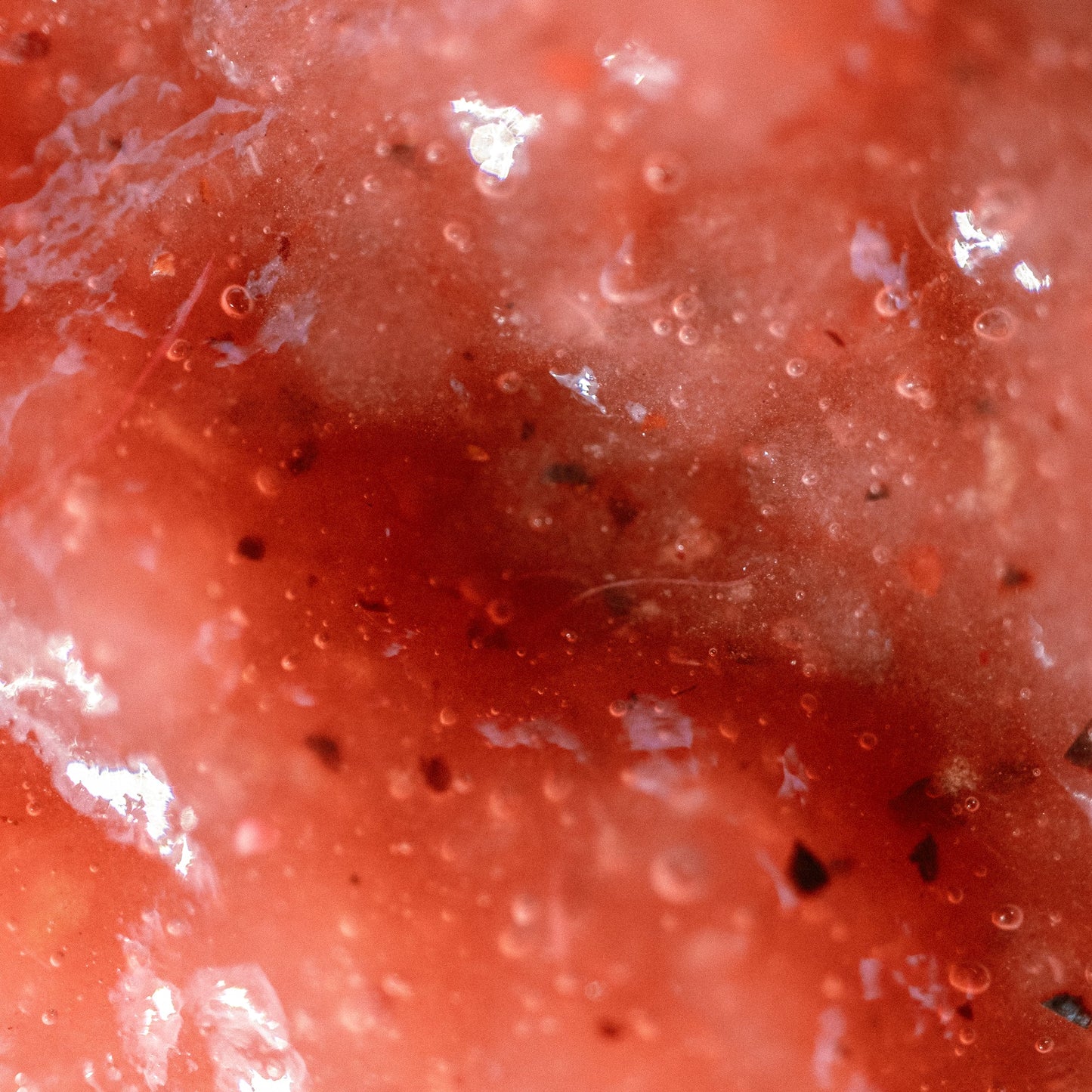
Once your sea moss is fully hydrated, drain the soaking water and give the moss one final quick rinse. Add it to a high-speed blender with fresh filtered or spring water. Start conservatively with about 1 cup of water for every 1 cup of soaked sea moss. You can always add more water, but you cannot easily thicken a gel that has been blended too loose.
Blend until completely smooth. Depending on your blender and the amount of moss, this may take one to three minutes. Pause once or twice to scrape down the sides if needed. The finished gel should be glossy, pourable, and thick enough to coat a spoon.
Texture is personal. Use less water for a dense gel that works well by the spoonful. Add a little more water for a lighter consistency that disappears easily into smoothies, juices, and warm foods. There is no single perfect ratio, only the consistency that fits your routine.
Transfer your finished gel to a clean glass jar with a secure lid and refrigerate it promptly. A homemade sea moss gel is best used within about two to three weeks. Always use a clean spoon, keep the lid closed between uses, and discard the gel if its smell, appearance, or texture changes noticeably.
Common Dried Moss Soaking Mistakes
The most common mistake is using too little water. Sea moss expands dramatically, and a crowded bowl can leave parts of the batch dry. Give it space and make sure the water covers it fully throughout the soak.
The next is soaking at room temperature for too long. A brief countertop rinse is fine, but an overnight soak belongs in the refrigerator. Hydrated foods are more perishable than dried foods, and this simple choice helps preserve freshness.
Another mistake is blending before the moss is ready. Dry spots create grainy gel and force you to blend longer than necessary. If your sea moss feels firm after eight hours, do not fight it. Refresh the water and let it continue hydrating.
Finally, do not judge dried sea moss by a perfectly uniform appearance. Sea moss harvested from open water can carry the visible signs of a real marine environment: irregular branches, varied color, and a natural ocean scent. Clean sourcing and careful handling matter more than cosmetic sameness.
Make It a Ritual You Will Keep
The best wellness practices are the ones you can repeat without friction. Soak a batch in the evening, blend it the next morning, and portion your gel into a jar that is ready when your day begins. Add it to a fruit smoothie, stir a spoonful into herbal tea after it has cooled slightly, or fold it into soups and sauces for a neutral, easy addition.
Start with the serving guidance that fits your product and your individual routine. Sea moss is naturally a source of iodine, so people with thyroid conditions, iodine sensitivity, or those taking medications should speak with a qualified healthcare professional before making it a regular part of their regimen. Natural does not mean one-size-fits-all.
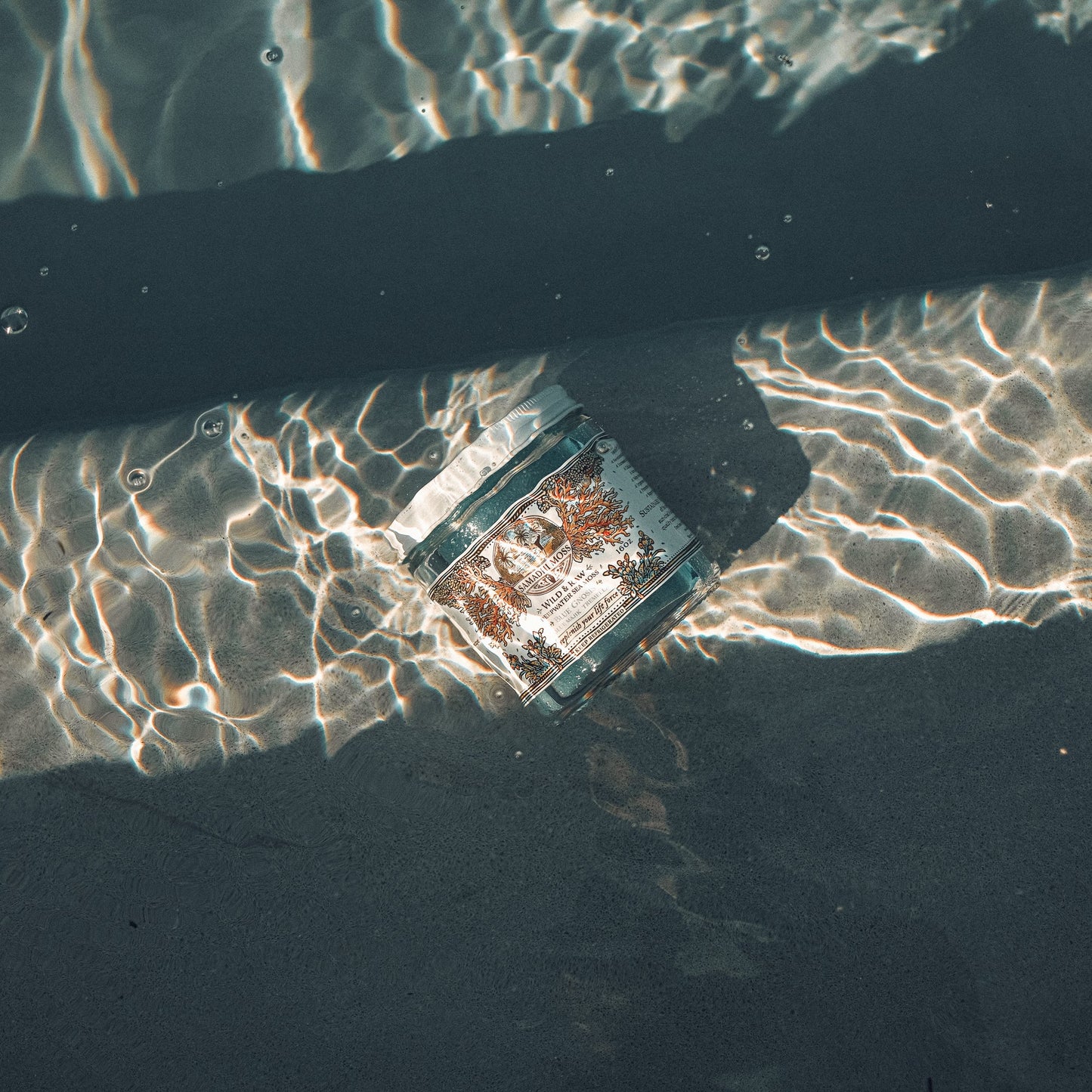
For those who want the hands-on experience, preparing a whole dried bag creates a direct connection to what you consume. Samadhi Moss keeps that ritual rooted in origin with wild harvested sea moss sourced from Belizean divers, then prepared for the people who care about what goes into their bodies.
A clear bowl, cool water, and an overnight soak can turn one humble ingredient into a steady act of replenishment. Let the process be slow enough to honor the source, and simple enough that you will do it again tomorrow.