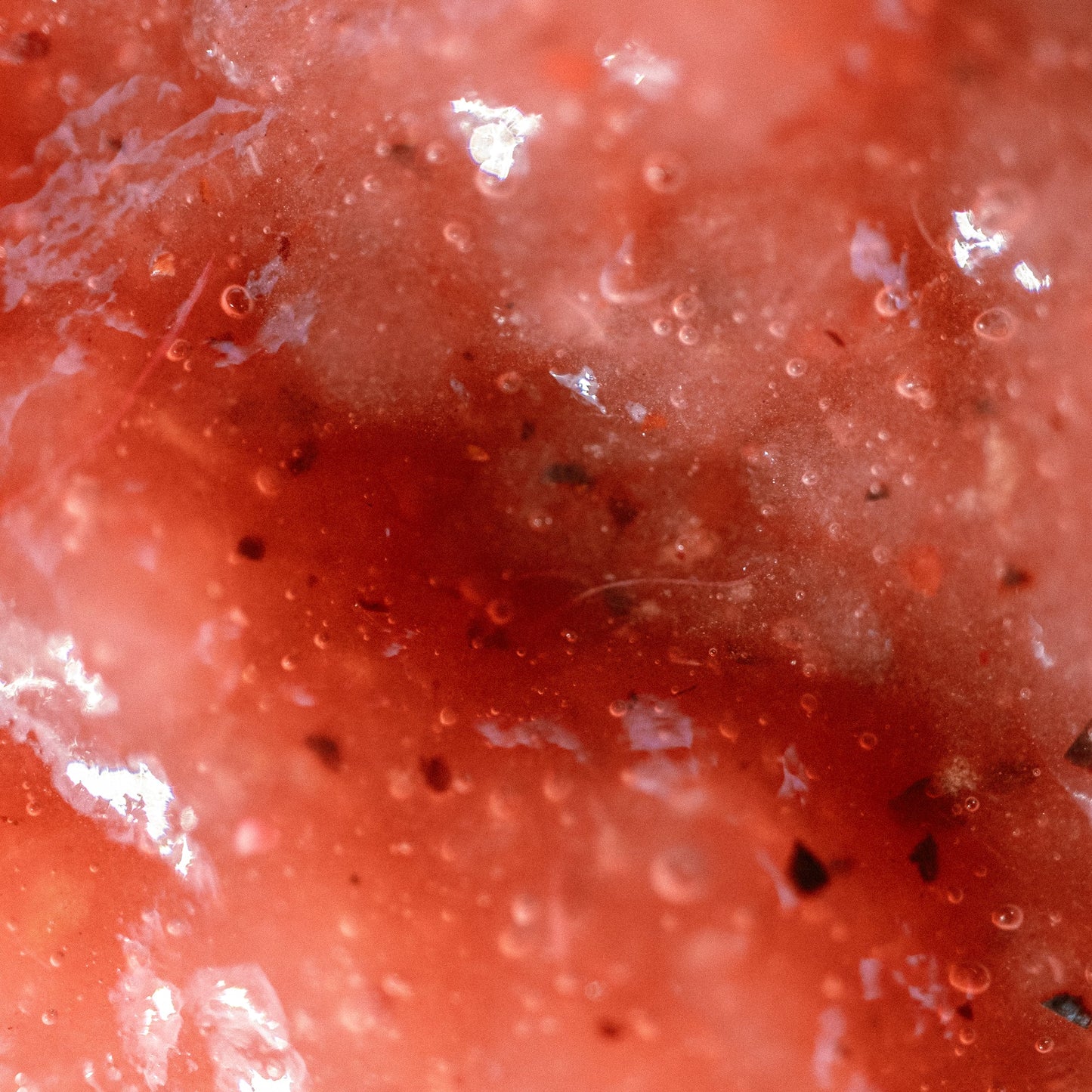
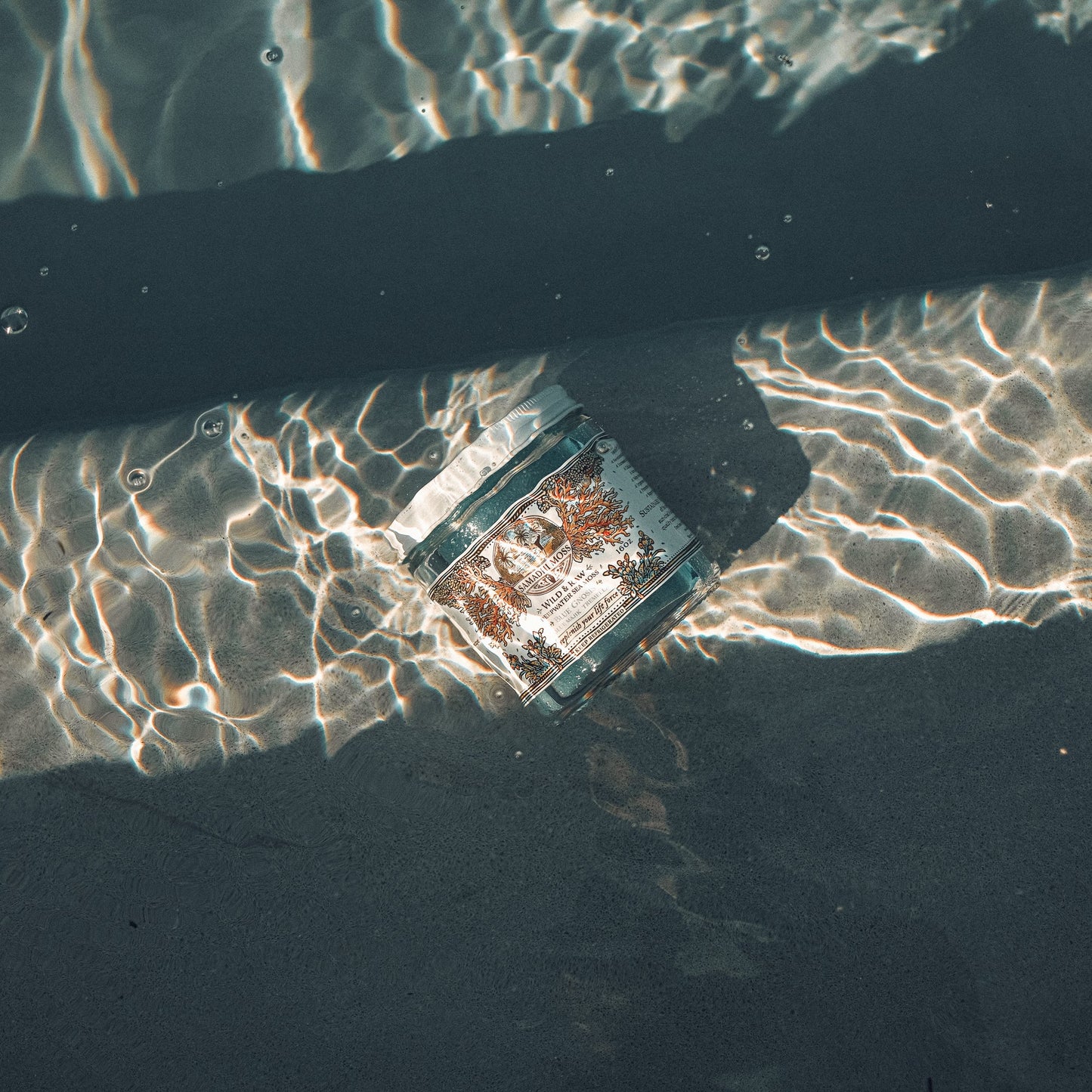
A jar can say “wildcrafted” and still leave the most meaningful question unanswered: wildcrafted from where, by whom, and under what conditions? Real sea moss sourcing is not a vague wellness label. It is a traceable process that begins in living ocean water, continues through careful handling, and ends with a product you can make part of your daily ritual with confidence.
For people who choose sea moss to support a more intentional approach to nourishment, origin is not a side detail. It is the foundation. The waters, harvesting method, supply chain, and preparation all influence what arrives in your kitchen.
Why Real Sea Moss Sourcing Starts in the Water
Sea moss is a broad name used for several types of nutrient-rich sea algae. Its color, shape, texture, and mineral profile can naturally vary by species, season, depth, current, and coastline. That variation is part of the point. Real sea moss is not designed to look identical every time.
The clean, mineral-rich waters off Belize offer the conditions sea moss needs to grow naturally. In a wild-harvest model, divers travel beyond the shore to gather moss from its native marine environment rather than relying on shoreline collection or commercial farming lines.
That distinction matters. Sea moss gathered close to crowded coastlines may be exposed to more runoff, boat traffic, and disturbance. Farmed sea moss can still be sold as sea moss, but it is grown under a different set of conditions, often on ropes or lines placed for production efficiency. It is not the same as naturally occurring moss harvested from the ocean floor and reefs by experienced local divers.
Wild harvesting is not automatically better simply because a label says “wild.” The standard is in the details: responsible collection, knowledge of the waters, and a supply chain that does not lose sight of the material once it leaves the sea.
Wild Harvested vs. Farmed Sea Moss
Farmed sea moss is typically cultivated on ropes, nets, or lines. This approach can create more predictable volume and help meet growing demand. It also brings trade-offs. The growing environment is managed, density can be higher, and the distance between harvest and bulk distribution may be difficult for a shopper to verify.
Wild-harvested sea moss grows where nature places it. It is shaped by waves, sunlight, currents, and the mineral character of its environment. Its texture can be more irregular. Its color may range from golden to deep purple or red. Its natural ocean aroma may be present before preparation. These are not defects to hide. They are signs that nature does not operate on a factory schedule.
The goal is not to romanticize every wild product or dismiss every farmed one. The goal is clarity. If you are seeking a premium sea moss ritual grounded in purity and origin, you deserve to know whether your moss was dived for beyond shore, grown on a rope, or passed through several anonymous hands before it reached a warehouse.
What Direct Belizean Sourcing Changes
A long supply chain can make a simple ingredient hard to understand. Sea moss may move from harvesters to brokers, exporters, processors, distributors, and finally a brand. At each step, traceability can weaken. You may still receive sea moss, but you may not know much about its actual journey.
Direct sourcing creates a closer relationship between the people gathering the moss and the people preparing it for your routine. It supports accountability at the beginning of the chain, where quality decisions matter most. Local Belizean divers understand their waters, the harvest conditions, and the difference between gathering with care and stripping an area for short-term volume.
At Samadhi Moss, the standard is straightforward: sea moss is dived for beyond the shoreline, never farmed, and sourced directly from Belizean divers. No shortcuts. That origin story is not marketing decoration. It is the reason the product can carry the character of Belize’s Caribbean waters from harvest through small-batch preparation.
Direct sourcing also makes it easier to preserve what makes sea moss worth choosing in the first place: its natural, whole-food character. The less a raw material is treated like an anonymous commodity, the more intentionally it can be handled.
How to Recognize Real Sea Moss Sourcing
You cannot judge every jar by color alone. Bright gold moss is not necessarily fake, and darker purple moss is not automatically superior. Drying conditions, moisture level, species, and season all affect appearance. A gel’s color can also shift depending on the moss used and the ingredients blended into it.
Instead, look for a brand willing to answer specific sourcing questions. Transparent brands can speak plainly about the location, harvesting method, and preparation process without hiding behind catch-all terms like “premium” or “organic.”
Before making sea moss part of your daily replenishment, ask these four questions:
- Where was the sea moss harvested, down to the country or coastal region?
- Was it naturally wild harvested, or cultivated on ropes, nets, or lines?
- Is the brand working directly with harvesters or purchasing through middlemen?
- How is the moss cleaned, dried, and prepared before it becomes a gel, powder, or dried bag?
Preparation Is Part of Purity
Sourcing is the first half of the standard. Preparation is the second.
Raw sea moss needs thoughtful cleaning to remove ocean debris and salt while respecting the ingredient itself. From there, the format changes the experience. Dried moss bags give you a hands-on ritual: rinse, soak, blend, and prepare your own gel at home. Sea moss gel offers ready-to-use ease for smoothies, juices, teas, and recipes. Powder provides a simple option when you want a shelf-stable addition to your routine.
Each format has a place. If you value full control and enjoy preparation, dried moss may be your fit. If consistency and convenience keep you committed to your ritual, gel can make daily use easier. The best choice is the one you will use with intention, not the one that creates another forgotten container in the cabinet.
Small-batch preparation matters because sea moss is not a one-size-fits-all commodity. It allows for attention to texture, freshness, and the natural qualities of each harvest. It also keeps the process closer to the ingredient, rather than turning it into an overly processed imitation of wellness.
The Sustainability Question Behind the Label
Real sourcing should respect the ecosystem that makes sea moss possible. Demand for sea moss has grown quickly, and that growth makes responsible harvesting more than a nice idea. It is a requirement for long-term access to healthy marine environments.
Responsible wild harvesting means taking selectively, avoiding unnecessary damage to surrounding habitat, and allowing natural growth cycles to continue. It also means recognizing that availability may change. Nature does not promise identical harvests or unlimited supply, and a brand committed to integrity should not pretend otherwise.
There is a trade-off here. Industrial scale can make products more uniform and readily available. Intentional harvest and small-batch preparation can require more patience. For many wellness-minded consumers, that patience is worth it. You are not choosing sea moss because it is the fastest product on the shelf. You are choosing it as a daily connection to mineral-rich nourishment, ocean vitality, and a more conscious standard of care.
Make Your Ritual Match Your Standard
Sea moss does not need exaggerated promises to earn a place in your routine. Its appeal is simpler: a naturally occurring marine plant that can complement the foods and practices already helping you feel replenished. Add gel to a morning smoothie, blend powder into a shake, or prepare dried moss when you want the ritual to begin in your own kitchen.
If you have health conditions, take medications, are pregnant or nursing, or are managing iodine intake, speak with a qualified healthcare professional before adding sea moss or any new supplement to your regimen. Natural still deserves a thoughtful approach.
Choose the source with the same care you bring to your food, movement, rest, and recovery. When you know who harvested your sea moss, where it grew, and how it was prepared, every spoonful carries more than convenience. It carries a standard you can feel good returning to.