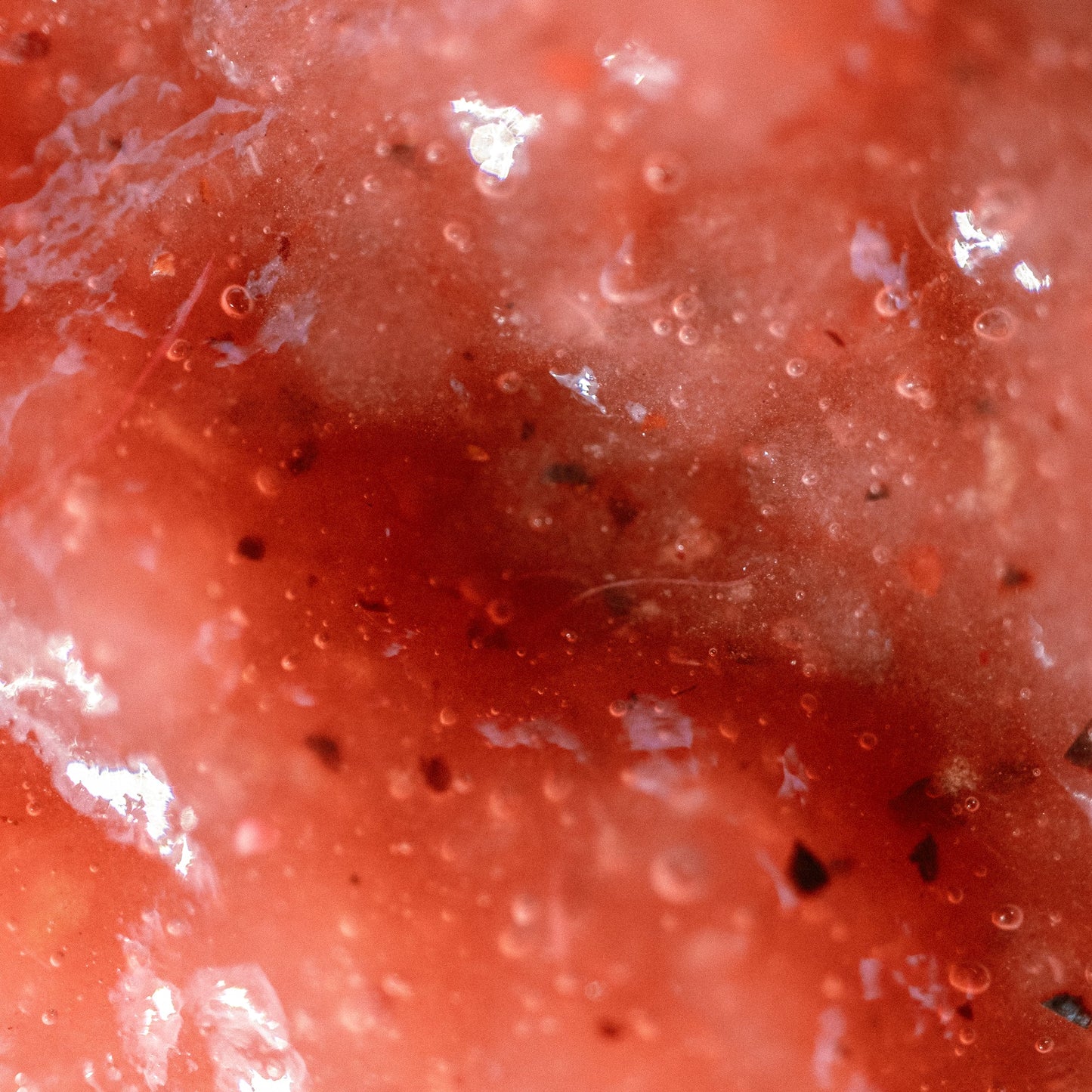
A jar of dark, mineral-rich resin and a bottle of convenient capsules may carry the same name, but they create very different daily rituals. This shilajit forms comparison looks beyond convenience to help you choose a format that fits your standards, schedule, and intention. The best form is not automatically the strongest-looking one. It is the one you will use consistently, sourced and purified with no shortcuts.
Shilajit is a sticky, naturally occurring mineral compound traditionally gathered from high-altitude rock regions. It is valued in Ayurvedic tradition as a replenishing substance, often taken to support energy, physical resilience, and overall vitality. Its composition can include fulvic acid, humic substances, and trace minerals, but composition varies significantly by origin and processing. That is why the form on the label is only part of the story.
Shilajit Forms Comparison: What Actually Changes?
The core difference between shilajit resin, powder, capsules, and gummies is not simply taste. Each form can affect how easily you measure it, how much processing is involved, what ingredients come alongside it, and whether it feels realistic in your routine.
Purity comes first. Raw material gathered from the earth requires careful purification before use. A serious shilajit product should be screened for contaminants such as heavy metals and microbial impurities, then handled in a way that preserves its naturally occurring compounds. A form can be beautiful, easy to take, and heavily marketed, yet still leave questions about its source or testing.
Look at the full product, not just the front label. Ask where the shilajit was sourced, whether it has been purified and independently tested, and what else was added to create the finished format. This is the difference between a ritual built on integrity and a shortcut dressed up in premium packaging.
Shilajit Resin: The Traditional Ritual
Resin is the form most people picture when they think of shilajit. It is a dense, dark paste with a bold mineral flavor and a texture that can soften with warmth. Typically, a small pea-sized portion is dissolved into warm water, tea, milk, or another warm beverage.
For people who value a close-to-traditional experience, resin has real appeal. It is simple, concentrated, and usually contains fewer extra ingredients than flavored formats. Measuring it by the included scoop or serving guide can also make the ritual feel intentional: warm water, a few quiet minutes, then a mineral-rich daily reset.
The trade-off is practicality. Resin can be sticky, taste intense, and require more care than swallowing a capsule. It is not the easiest option for a rushed morning, travel, or anyone who prefers exact, no-mess portions. Temperature can affect its texture as well. If your wellness practice has room for preparation, resin can be deeply satisfying. If consistency falls apart when a product takes more than 30 seconds, a simpler form may serve you better.
Who resin fits best
Choose resin if you want minimal formulation, appreciate traditional preparation, and do not mind its earthy character. It is especially well suited to people who already make a morning tonic, tea, or warm wellness drink part of their rhythm.
Shilajit Powder: Flexible, but Read Closely
Shilajit powder is designed for mixing. It can be stirred into warm beverages, smoothies, or other recipes, and it is often easier to portion than resin. For someone building a supplement stack around protein, adaptogens, or mineral drinks, powder may feel like the natural fit.
Still, the word powder does not automatically mean pure shilajit. Some powders are dehydrated shilajit. Others may be blended with carrier ingredients, sweeteners, flavor systems, or other herbs. None of those additions are inherently wrong, but they should be clear. If you want shilajit to be the focus, the ingredient panel should reflect that.
Powder also shares resin's flavor challenge, though it can be easier to disguise in a larger drink. It offers flexibility, but it can create a little friction if you need to measure it every day. A pre-measured scoop helps, yet it is still less grab-and-go than capsules.
Who powder fits best
Powder works well for people who enjoy building their own blends and want control over how they take shilajit. It can be a good bridge between the traditional feel of resin and the everyday ease of modern supplements.
Capsules and Tablets: Precision Without the Taste
Capsules are often the most practical shilajit form. They remove the strong flavor, reduce mess, and provide a consistent serving size that works at home, at work, or on the road. For disciplined routines, this matters. The supplement you take every morning is more useful than the beautiful jar that stays unopened in the cabinet.
The caution with capsules is that convenience can hide quality differences. Check whether the product identifies the type of shilajit used, its sourcing, and its testing standards. Also look at the inactive ingredients. Capsule shells and modest flow agents are common, but a long list of fillers can be a sign to slow down and evaluate.
Tablets may offer similar convenience, but they often require more binders to hold their shape. That does not make tablets inferior across the board. It simply makes label reading more important for anyone seeking a clean, streamlined formula.
Who capsules fit best
Capsules are ideal for people who want precise portions, a neutral taste, and a ritual that travels well. They are often the strongest choice for beginners, busy professionals, and anyone who knows texture or flavor will get in the way of consistency.
Gummies: Easy to Take, Often More Formulated
Gummies make wellness feel approachable. They are portable, pleasant, and familiar, which can make them attractive for people who struggle with powders or capsules. A gummy can lower the barrier to starting a daily habit.
But gummies are typically the most formulated option. They may include sugar, syrups, pectin or gelatin, acids, colors, flavors, and other ingredients needed for texture and shelf stability. The amount of shilajit per serving may also be lower than in resin or capsules. Again, this is not an automatic disqualifier. It depends on your priorities.
If your goal is a clean, low-ingredient mineral ritual, gummies may not be your first choice. If your goal is a format you will genuinely remember to take, a thoughtfully made gummy can still have a place. Just treat it like a supplement, not candy, and compare serving sizes honestly.
How to Choose the Right Form for Your Routine
Start with your real life, not the version of your routine you hope to have next month. If you make tea every morning and enjoy a sensory ritual, resin may be the natural match. If you build smoothies or functional drinks, powder gives you room to customize. If you leave the house early or travel frequently, capsules remove unnecessary friction. Gummies are best reserved for those who prioritize flavor and ease over a minimal ingredient profile.
Then consider your non-negotiables. Do you want the fewest added ingredients? Are you avoiding sugar? Do you need a measured serving? Does a strong mineral taste make you avoid products? These answers narrow the field quickly.
Finally, choose transparency over hype. Shilajit is not a magic fix for poor sleep, depleted nutrition, chronic stress, or an inconsistent recovery practice. It may complement a well-built foundation, but it cannot replace it. Prioritize nourishing food, hydration, movement, rest, and supplements with clear sourcing and quality controls.
A Clean Standard Matters More Than the Format
Whether you choose resin, powder, capsules, or gummies, the real standard is product integrity. Shilajit should be purified, screened, and represented honestly. Avoid products that make sweeping medical promises, refuse to explain their sourcing, or use vague language to cover a crowded formula.
If you are pregnant or nursing, have a medical condition, take medication, or manage iron-related concerns, speak with a qualified healthcare professional before adding shilajit to your routine. Natural does not mean universally appropriate, and mindful wellness includes knowing when personalized guidance matters.
Your daily ritual should feel clear, not complicated. Choose the shilajit form that respects your time, supports your consistency, and meets the same clean standard you bring to the rest of your lifeforce.