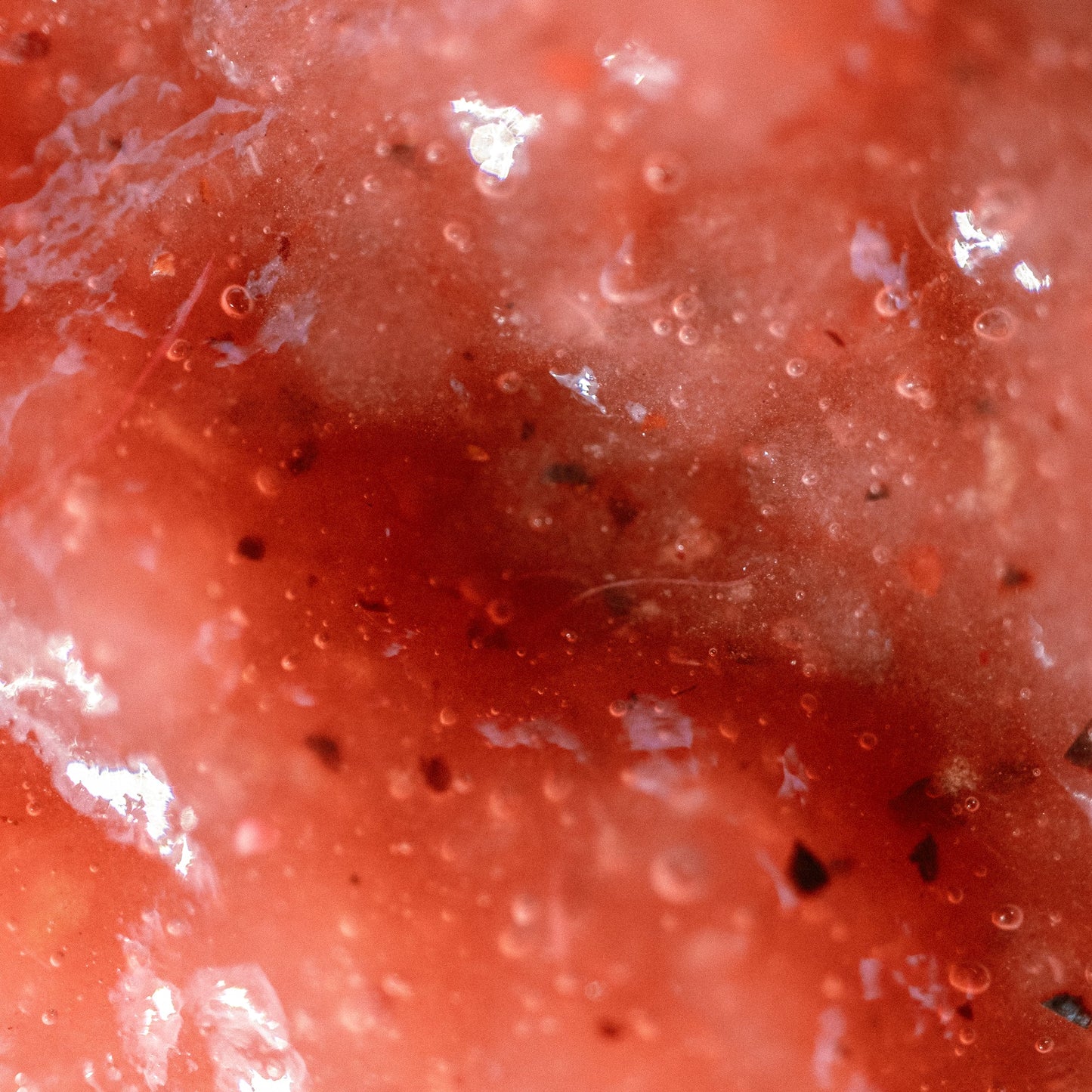
If you have ever opened a jar of true shilajit resin, you already know this is not a polished wellness product. It is dense, dark, earthy, and unmistakably raw. That is exactly why the question of shilajit resin vs powder matters. The format changes the experience, the handling, and often the quality signal you are getting.
For people building a serious daily ritual, this is not a minor detail. You want mineral support, steady vitality, and a product that feels aligned with clean sourcing rather than overprocessed convenience. Resin and powder can both have a place, but they are not interchangeable in the way many labels suggest.
Shilajit resin vs powder: the real difference
At the simplest level, shilajit resin is the thick, sticky form that stays close to its concentrated natural state after purification. Shilajit powder is typically resin that has been dried further and ground into a loose, easier-to-scoop format. That sounds straightforward, but the trade-off starts there.
Resin is often seen as the more traditional form. It feels less altered, and for many buyers, that matters. When a product is prized for its mineral density and complex profile, less processing usually carries more trust. Powder, on the other hand, is built for convenience. It stores easily, travels well, and can feel more approachable if you do not want to measure a sticky spoonful every morning.
The key point is this: the form alone does not prove quality. A clean, properly prepared powder can still be a strong product. A resin can still be low grade if the raw material, purification, or handling is poor. Format is one layer. Integrity is the deeper layer.
Why resin is often considered the premium choice
People who care about purity usually gravitate toward resin first. There is a reason. Resin tends to communicate minimal interference. It has a richer texture, a stronger aroma, and a more direct connection to the raw substance. For a wellness audience that values origin and preparation, that matters in a real way.
There is also the issue of fillers and dilution. With powder, some consumers worry about whether the product is pure shilajit or whether it has been blended with carriers, anti-caking agents, or other ingredients to improve texture and shelf stability. Not every powder includes those extras, but powder as a category gives more room for that kind of adjustment. Resin is harder to disguise.
That does not make resin automatically better for every person. It does mean resin often appeals to buyers who want the least processed version available and are willing to work with a product that feels more raw and less convenient.
If your priority is potency perception, ritual, and product integrity, resin usually wins. It feels like a serious supplement rather than a simplified one.
When powder makes more sense
Powder earns its place because daily wellness has to be practical. The best supplement is still the one you will actually use consistently.
If you travel often, dislike sticky textures, or want to add shilajit into smoothies, capsules, or a measured routine, powder can be easier to live with. It is lighter, cleaner to handle, and simpler to portion for some users. For anyone already juggling sea moss, adaptogens, protein, and hydration habits, convenience can support consistency.
Powder may also be easier for people who are sensitive to the intense flavor of resin. Shilajit is not subtle. Resin especially has a bold mineral taste that some people tolerate for the benefits but never truly enjoy. Powder can be easier to blend into a drink and move on.
This is where honesty matters. A format that fits your rhythm may serve you better than a premium format you avoid using.
Purity, processing, and what to watch for
The biggest mistake in the shilajit category is judging by format alone instead of process. The better question is not only shilajit resin vs powder. It is how that shilajit was sourced, purified, and handled before it reached you.
Look for transparency around origin and preparation. Shilajit should be purified to remove unwanted contaminants, but that purification should not strip the product into something lifeless. A quality brand should be clear about what form it sells, how it prepares it, and what standards it uses.
With powder, ask whether it is 100 percent shilajit or part of a blend. Read the ingredient panel closely. If the label is vague, that is a signal. With resin, pay attention to texture and behavior. True resin should soften with warmth and dissolve into warm water, tea, or another liquid with a deep brown to golden hue. If it feels oddly uniform, overly hardened, or disconnected from that natural profile, be cautious.
Wellness products should not require blind trust. They should earn it.
Taste, texture, and the daily ritual
This is the part many comparison pages skip, but it shapes long-term use. Resin feels elemental. You scoop a small amount, stir it into warm liquid, and slow down for a moment. For some people, that becomes part of the appeal. It turns supplementation into an intentional act instead of another capsule swallowed between meetings.
Powder is less sensory. That can be a positive. It disappears into a routine with less friction. If your mornings are fast, powder may fit better. If your wellness practice is built around presence and preparation, resin may feel more aligned.
Neither preference is wrong. One is ritual-forward. The other is utility-forward.
That distinction matters because consistency is not just about discipline. It is also about whether a product fits your pace.
Which form is better for benefits?
Assuming both products are pure and properly prepared, the expected benefits should come from the shilajit itself rather than the format alone. People usually take shilajit for mineral replenishment, energy support, resilience, and overall vitality. Resin is often perceived as stronger or more complete because it is less processed, but that does not mean every powder is weak.
What can change is user experience. Resin may feel more concentrated because the serving is small, the flavor is pronounced, and the ritual is direct. Powder may feel milder in use, especially if it is blended into other supplements or beverages. That difference can shape perception even when the underlying ingredient quality is comparable.
So if you are choosing based on benefits alone, do not get trapped by oversimplified claims. Better benefits usually come from better raw material and better preparation, not just from whether the product is sticky or scoopable.
How to choose between shilajit resin vs powder
Start with your standard, not the marketing. If you want the cleanest, most traditional expression of shilajit and you do not mind the stronger taste or handling, resin is usually the better fit. It speaks to purity, depth, and an uncompromising approach.
If you want flexibility, portability, and a format that slides into a faster routine, powder may serve you better. Just be more careful about reading labels and checking for unnecessary additions.
For many wellness-focused shoppers, the decision comes down to this: do you want an experience that feels closer to the source, or one that feels easier to sustain every day?
A good rule is to let your routine tell the truth. The most aligned choice is the one you will use with consistency and confidence.
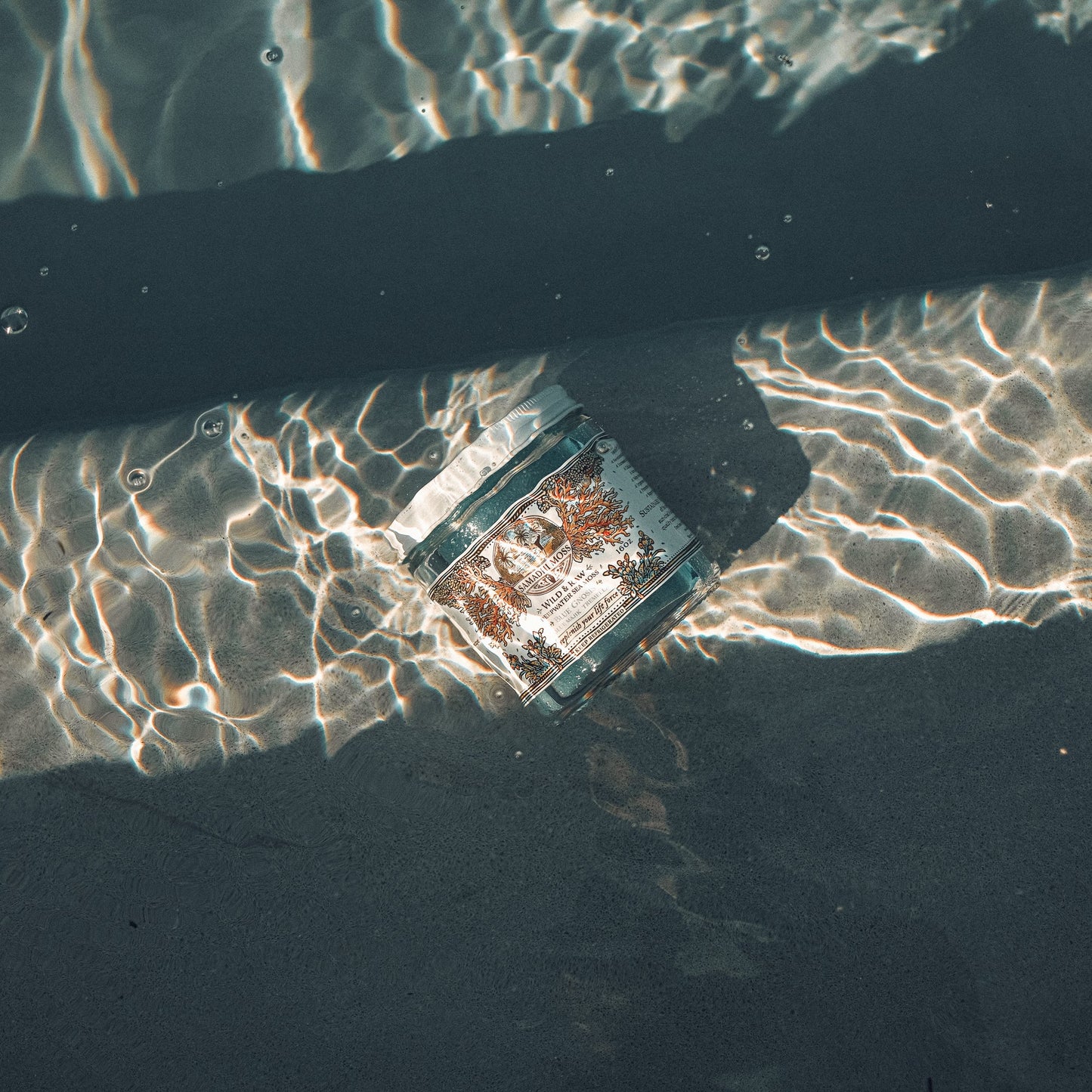
At Samadhi Moss, that principle runs deep. No shortcuts. Whether you choose resin or powder, the better product is the one backed by clean sourcing, intentional preparation, and a standard you can feel every day.
Final thought
Shilajit should feel like a return to substance, not a compromise dressed up as convenience. Choose the form that supports your vitality, respects your ritual, and keeps your standards high. Your daily replenishment deserves that level of care.