If you care about what goes into your body, “where does sea moss come from” is not a small question. It tells you a lot about purity, mineral exposure, texture, and whether you are getting something truly wild from the ocean or a product shaped by shortcuts. With sea moss, origin is not branding. It is the foundation.
Where Does Sea Moss Come From in Nature?
Sea moss is a type of red algae that grows in coastal ocean waters. The variety most people mean when they say sea moss is often Irish moss, or Chondrus crispus, but the term is also used more broadly for other marine algae sold for wellness use, especially in the Caribbean. It grows attached to rocks or hard surfaces in saltwater, where it absorbs nutrients directly from the sea.
That matters because sea moss is not grown the way land plants are grown. It does not come from soil. It develops in mineral-rich ocean environments, and those environments vary. Water temperature, depth, current, sunlight, and surrounding marine conditions all shape the final plant. Two products can both be called sea moss and still be very different in color, texture, cleanliness, and overall quality.
The Main Regions Sea Moss Comes From
Sea moss is commonly sourced from a few different parts of the world. The Atlantic coast has long been associated with Irish moss, especially in Ireland, Canada, and parts of the northeastern coastline. In the wellness market, Caribbean sea moss has become especially popular, with sourcing from places like Jamaica, St. Lucia, Grenada, and Belize.
The region matters for more than the story on the package. Colder Atlantic waters produce one kind of sea moss experience, while warmer Caribbean waters produce another. The structure, taste, natural color range, and preparation style can all shift based on where the moss is harvested. If you are using sea moss as part of a daily replenishment ritual, these details are worth paying attention to.
Why Belize Stands Out
Belize has become a trusted source for premium sea moss because of its coastal waters and strong tradition of local harvesting. In the best cases, sea moss from Belize is wild harvested by divers beyond shore rather than collected from shallow beach wash-up or mass-farmed lines. That distinction is major.
Wild ocean-grown sea moss tends to reflect a more natural growth pattern. It is shaped by current, depth, and real marine conditions instead of being forced into fast, uniform production. That often means less visual perfection and more authenticity. The moss may vary in size, color, and branching, which is exactly what you would expect from something that came from the sea, not a system built for output.
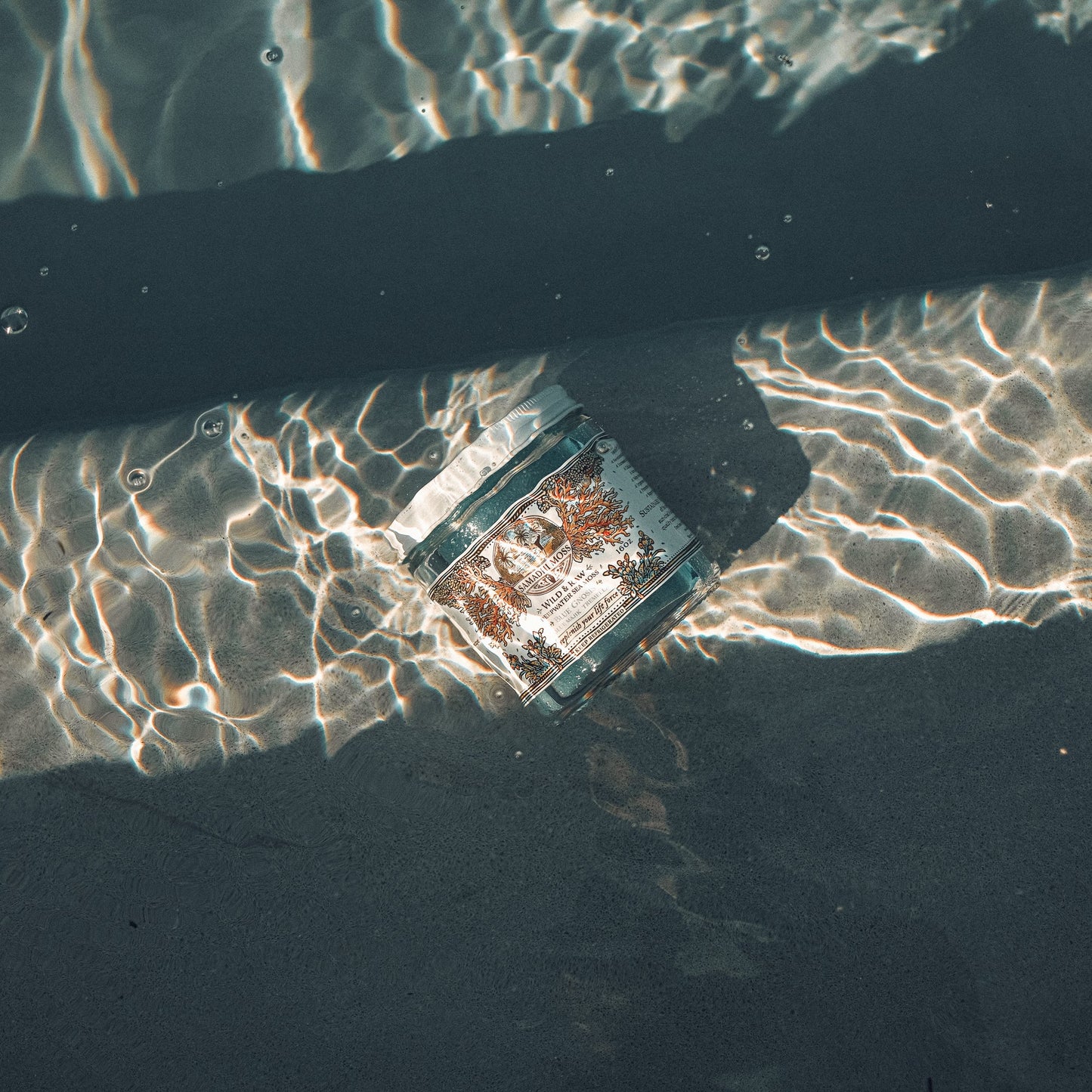
For a brand like Samadhi Moss, Belize is not just a sourcing point. It is a quality standard tied to direct relationships, no middlemen, and no shortcuts.
Wild Harvested vs. Farmed Sea Moss
This is where the conversation gets more practical. Sea moss can come from wild ocean harvesting or from farming methods, and the difference matters.
Wild harvested sea moss grows naturally in the ocean, attached to rocks or marine surfaces. Divers collect it by hand. This process is slower, more physical, and more selective. It usually reflects the natural irregularities of the sea.
Farmed sea moss is often grown on ropes or nets in more controlled conditions. That can make it easier to produce at scale, but scale changes the product. Farmed moss may look cleaner or more uniform, and it may be cheaper, but lower cost often comes with trade-offs in authenticity, growing conditions, and trust.
Not all farmed sea moss is automatically bad, but if purity and natural origin matter to you, wild harvested sea moss usually sets a higher bar. For wellness consumers who are intentional about what they take daily, that difference is not cosmetic. It is part of the product itself.
How Sea Moss Is Harvested
When sea moss is wild harvested, divers go into the water and collect it manually. The best harvesting happens away from polluted shorelines and high-traffic areas, in cleaner stretches of ocean where the moss has room to develop naturally. This is one reason premium sourcing costs more. It takes labor, judgment, and local knowledge.
After harvest, sea moss is typically cleaned to remove sand, shells, and ocean debris, then dried. Some producers sun dry it. Others use controlled drying methods. Either way, handling matters. Overprocessed sea moss can lose some of the character people are looking for, while poorly cleaned sea moss can bring too much of the ocean with it.
There is a balance here. You want sea moss that is respected, not stripped down into something generic.
What “Natural Color” Can Tell You
People often assume sea moss should look one certain way, but natural sea moss can range in color. Depending on species, region, and drying process, it may appear gold, purple, greenish, deep red, or mixed in tone. That variation is normal.
What is less reassuring is sea moss that looks overly bleached, unnaturally uniform, or suspiciously polished. Some lower-quality products are altered for appearance because shoppers have been taught to trust a narrow visual standard. Real sea moss has character. It reflects its environment.
The same goes for texture. Wild sea moss often looks more organic and less tidy than rope-grown alternatives. In premium wellness, natural variation is not a flaw. It is often the sign that the ocean, not a factory mindset, shaped the final ingredient.
Why Origin Affects Quality
When people ask where sea moss comes from, they are usually also asking a second question: can I trust it?
Origin affects cleanliness, mineral profile, harvesting method, and preparation. A product sourced directly from known waters and harvested by local divers offers a different level of confidence than one passed through several hands with vague sourcing claims. Traceability matters, especially in a category where marketing can outrun substance.
The ocean environment matters too. Cleaner waters and better handling practices support a better final product. That does not mean every sea moss from one region is excellent and every product from another is not. It means details matter. Country of origin is a starting point, not the whole story.
Look for clarity around whether the sea moss is wild harvested or farmed, how it is cleaned, and whether the supplier is direct about location. If a brand is vague, that usually tells you something.
What Sea Moss Does Not Come From
Sea moss does not come from freshwater lakes. It does not come from soil farms. And high-quality sea moss should not come from random, unverified bulk supply chains where the source shifts without notice.
This matters because the sea moss market has grown fast. As demand rises, so does the temptation to cut corners. Some products are marketed with broad claims but little sourcing transparency. Others use the language of wild harvesting while relying on cultivation methods that tell a different story.
If you are building a daily ritual around mineral support, recovery, and vitality, sourcing is part of the ritual. The cleaner the origin, the stronger the foundation.
So, Where Does Sea Moss Come From When It’s Worth Buying?
It comes from the ocean, but not just any ocean story will do. The best sea moss comes from clean saltwater environments, harvested with intention, handled with care, and sourced with transparency. In the Caribbean, Belize stands out as a premium origin because it supports direct, wild harvesting and a more grounded standard of quality.
That does not mean every product from Belize is automatically superior. It means origin should lead you to ask better questions. Was it dived for beyond shore? Was it farmed on ropes? Was it directly sourced or traded through layers of distribution? Was it prepared in a way that preserves its natural integrity?
Those are the questions that separate trend-driven buying from conscious nourishment.
If sea moss is part of how you re-mineralize and replenish, choose a source that carries the energy of the real ocean. Your body can tell when something was made with shortcuts, and it can feel the difference when it was not.