The difference between a sea moss smoothie you crave and one you force down usually comes down to texture. If you are learning how to blend sea moss smoothies, that is the part to get right first. Sea moss can make a smoothie feel silky and nourishing, or thick in a way that fights the sip. The fix is not complicated, but it does require a little intention.
Sea moss works best when you treat it like a functional base, not a random add-in. It brings a naturally smooth body, subtle ocean-mineral character, and a daily way to re-mineralize without turning your routine into a chore. When the blend is balanced, it supports energy, fullness, and steady nourishment. When it is not, even great ingredients can end up tasting muddy.
How to blend sea moss smoothies without ruining the texture
Start with the form of sea moss you are using. Gel is the easiest for smoothies because it disappears into the blend fast and adds body without grit. Powder can work well too, but it benefits from a little more blending time and enough liquid to fully disperse. If you are starting from dried sea moss, proper soaking and blending into a smooth gel first matters. Shortcuts show up in the glass.
For most smoothies, a good starting point is 1 to 2 tablespoons of sea moss gel per serving. If you use powder, follow the serving size on the label and stay conservative at first. More is not always better. Too much sea moss can over-thicken the drink and flatten the brighter fruit notes that make a smoothie taste clean.
Liquid is your first texture control. Use enough to create movement in the blender before adding frozen ingredients. Coconut water gives a lighter, fresher finish. Almond milk or coconut milk makes the smoothie creamier and richer. Plain water works if you want the fruit and sea moss to stay front and center. If your blender tends to struggle, add a little extra liquid at the start, then adjust after the first blend.
Frozen fruit is what gives sea moss smoothies their best structure. Banana is the most forgiving option because it softens the sea moss flavor and creates a dense, spoonable texture. Mango brings brightness and tropical sweetness. Pineapple cuts through heaviness and keeps the finish fresh. Berries are excellent, but they can make the smoothie thicker and seedier, so they usually work best with banana or a little extra liquid.
The order of ingredients matters more than people think. Add liquid first, then sea moss gel or powder, then soft ingredients like yogurt or fresh fruit, and finish with frozen fruit and ice. This helps the blades pull everything down into a smooth vortex instead of packing dense ingredients at the bottom.
The flavor balance that makes sea moss work
Sea moss has a mild taste when prepared well, but mild does not mean invisible. It has an earthy mineral note that can either support a smoothie or compete with it. That is why flavor pairing matters.
Tropical fruits are usually the easiest match. Mango, pineapple, banana, passion fruit, and coconut naturally complement sea moss because they are sweet, aromatic, and rounded. Citrus can help too, especially a squeeze of lime in lighter blends. If you want a greener smoothie, spinach is easy to hide, but kale can push the flavor too far unless the fruit base is strong.
Creaminess needs restraint. Nut butters, oats, yogurt, avocado, and sea moss can all make a smoothie feel lush, but stacking too many creamy ingredients in one recipe can leave you with something heavy instead of vital. Pick one or two texture builders, not all of them.
Sweetness is another place where people overcorrect. If your fruit is ripe and your blend is balanced, you may not need honey, maple syrup, or dates at all. If you do want more sweetness, start small. Sea moss smoothies should taste alive and clean, not syrupy.
A simple formula for how to blend sea moss smoothies
If you want consistency, use a repeatable structure instead of guessing every morning. A reliable sea moss smoothie usually has five parts: liquid, sea moss, frozen fruit, an optional cream element, and an optional functional add-on.
A practical ratio looks like this: 1 to 1 1/2 cups liquid, 1 to 2 tablespoons sea moss gel, 1 1/2 to 2 cups frozen fruit, and one extra element if desired, such as half an avocado, a spoonful of yogurt, chia seeds, or a scoop of protein. That keeps the texture full but drinkable.
If you want a lighter, more refreshing smoothie, use coconut water and high-water fruits like pineapple. If you want it more sustaining, use almond milk or coconut milk with banana and a small amount of fat or protein. It depends on the role the smoothie plays in your routine. A post-workout blend should feel different from a quick morning reset.
Three blends that usually work every time
The easiest place to start is a tropical base. Blend coconut water, sea moss gel, frozen mango, frozen pineapple, and half a banana. This is bright, smooth, and beginner-friendly. If you want a cleaner finish, add lime. If you want more body, swap some of the coconut water for coconut milk.
For a creamier everyday smoothie, blend almond milk, sea moss gel, frozen banana, cinnamon, a spoonful of almond butter, and a few ice cubes. This one feels grounding and steady. It is better for mornings when you want something more substantial, but it can get thick fast, so keep an eye on the liquid.
If you want a greens-forward option, use coconut water, sea moss gel, frozen pineapple, frozen banana, spinach, and fresh ginger. The fruit keeps it vibrant while the ginger sharpens the flavor. This works well when you want a smoothie that feels clean rather than dessert-like.
Common mistakes when blending sea moss smoothies
The biggest mistake is using too much sea moss. People often assume more gel means more benefit, but the experience matters. If the texture becomes gluey or the flavor turns flat, you are less likely to stay consistent.
The second mistake is weak fruit pairing. Sea moss needs ingredients with enough personality to carry the blend. Watery fruit on its own, like plain strawberries or melon, can make the smoothie feel diluted and slightly off. Pair lighter fruits with banana, mango, or coconut to keep the profile anchored.
Another common issue is under-blending. This shows up more with powder or homemade gel that was not blended fully in the first place. Let the blender run long enough to create a silky finish. A rushed blend can taste fine but still feel unpleasant.
Temperature matters too. Sea moss smoothies are usually better cold. Frozen fruit helps tighten the texture and soften the mineral note. Room-temperature smoothies tend to feel looser and less refreshing.
Choosing the right sea moss for smoothies
Quality changes the outcome. Clean sourcing, careful preparation, and proper texture all influence how your smoothie tastes and feels. Sea moss that is poorly prepared or overly processed can carry stronger off-notes, while a well-made gel blends in with much more ease.
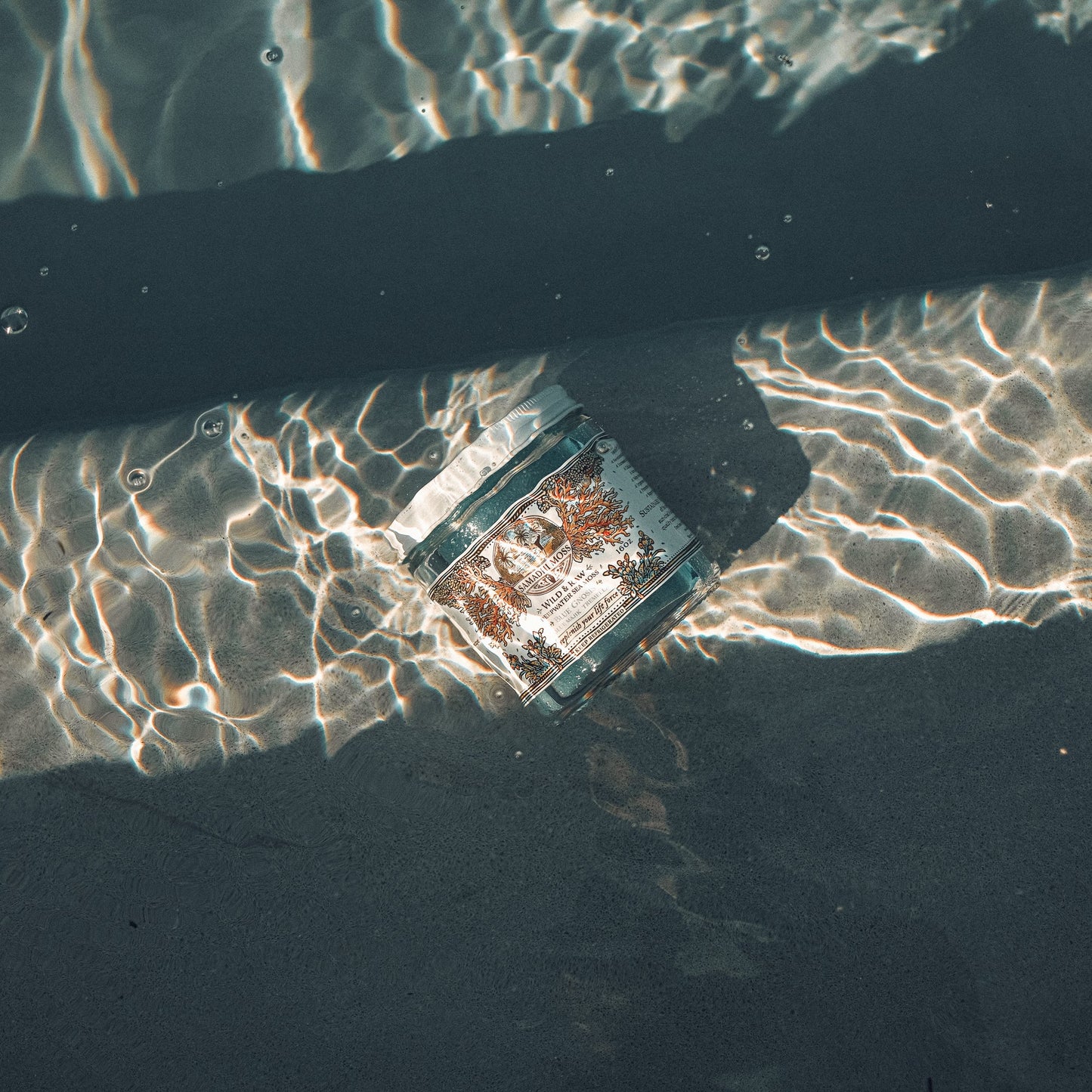
This is where origin and handling matter. Wild harvested sea moss, prepared in small batches with no shortcuts, tends to align better with a daily ritual built on purity and consistency. Samadhi Moss centers that standard, which is exactly why the texture and taste can feel cleaner in a smoothie routine.
Gel is the most convenient option for anyone who wants speed. Powder is better for portability and storage, but it rewards a little patience in the blender. Dried moss is ideal if you want full control over preparation, though it asks more from you upfront. There is no single right format. The best one is the one you will actually use consistently.
Make it part of a real routine
A sea moss smoothie does not need to be complicated to be effective. The best version is the one that fits your morning, your training, your appetite, and your pace. Keep a few dependable ingredients on hand, use a ratio that gives you the texture you want, and let the blend support your day instead of slowing it down.
Vitality is often built through repetition, not novelty. Once you know how to blend sea moss smoothies in a way that tastes clean and feels good, the ritual becomes simple enough to keep. That is where the real benefit starts to show.