If you have ever opened a bag of sea moss and thought, this looks nothing like the photos online, you are asking the right question. What does real sea moss look like? Real sea moss is not perfectly uniform, brightly colored, or styled for shelf appeal. It looks alive once, ocean-shaped, and unmistakably natural.
That matters because sea moss quality starts long before it reaches your kitchen. Origin, harvest method, and handling all leave visible clues. If you know what to look for, you can spot the difference between wild, mineral-rich sea moss and lower-trust material that has been farmed, overly processed, or altered to look cleaner than it really is.
What real sea moss should look like
Real sea moss has an irregular, branching structure. It usually appears wiry, curly, or frilly rather than thick and perfectly symmetrical. The strands can be thin in one area and wider in another. Some pieces twist tightly, while others open like little ocean leaves. That inconsistency is a good sign. Nature does not produce copy-and-paste sea plants.
Color is where many people get confused. Authentic sea moss is not always the bright golden shade pushed across social media. Real sea moss can range from gold and tan to purple, greenish, or deep amber, depending on the species, the waters it grew in, and how it was dried. Wild sea moss often carries a more muted, earthy color profile. Think sun-dried and mineral-rich, not neon and polished.
Texture matters too. Dried real sea moss should feel firm, slightly springy, and crisp in some areas. It should not feel heavily coated, dyed, or artificially soft. When soaked, it expands and becomes slippery, gelatinous, and translucent. That transformation is normal. It is one of the clearest signs that you are working with a whole marine plant rather than something overly stripped down.
What does real sea moss look like when it is dried?
In its dried form, real sea moss often looks smaller and denser than people expect. The branches tighten as moisture leaves the plant, so a modest bag can expand significantly once soaked. You may also notice traces of ocean residue, like a slight salty scent or natural variation in surface color. That does not mean it is dirty. It means it came from the sea.
Wild sea moss should not look bleached into uniformity. If every strand is exactly the same pale yellow, perfectly clean, and nearly identical in shape, that can be a sign of heavy processing. Some producers wash sea moss aggressively or use methods that strip away too much of its original character. The result may look prettier on camera, but less natural in real life.
A little variation is what you want. Some pieces may be lighter where the sun hit them more directly during drying. Others may appear darker or more bronze. Real sea moss carries the imprint of where it came from.
What does real sea moss look like after soaking?
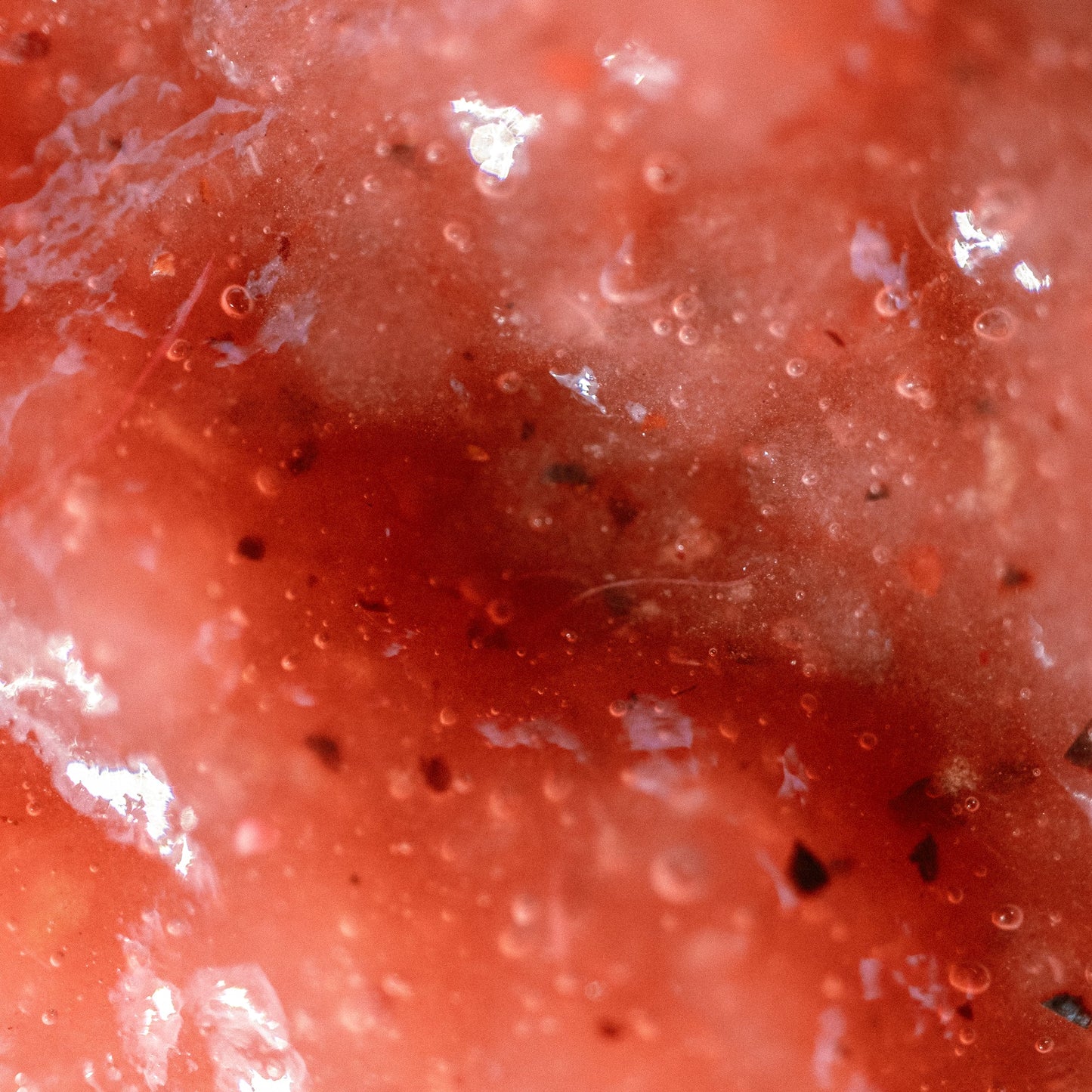
Once soaked, real sea moss changes dramatically. The dried curls loosen. The color often softens and becomes more translucent. The texture turns slick and swollen, with a soft body that blends into gel once processed.
This is where a lot of lower-quality products reveal themselves. Authentic sea moss becomes plump and gelatinous, but it still keeps some structure before blending. It should not disintegrate into mush the second it touches water, and it should not remain stiff after a proper soak. If it does either, quality may be off, or it may not be true sea moss at all.
The soaking water can carry a mild ocean smell. That scent should be fresh and marine, not sour or chemical. If the smell feels harsh, perfumed, or rotten, trust your instincts. Purity has a sensory signature.
Color myths that confuse buyers
One of the biggest myths in the market is that real sea moss must be golden to be authentic. That is not true. Sea moss grows in different shades naturally, and wild harvested sea moss often reflects the conditions of its environment.
Gold sea moss is common, but so are purple and green-toned varieties. A deep or mixed color does not make sea moss inferior. In many cases, it simply means it has not been pushed into a single commercial look. The ocean produces variation. Real products should reflect that.
The opposite myth is that darker always means better. That is not automatically true either. Color alone cannot tell the whole story. You have to look at the full picture - structure, texture, smell, and whether the product appears natural rather than standardized.
Signs your sea moss may not be the real thing
The sea moss market is crowded, and not every product is sourced with integrity. Some sea moss is rope-grown or farmed in ways that create a more uniform appearance. Some is handled by multiple middlemen before it ever gets packed. Some is cleaned up so aggressively that it loses the visual markers of authenticity.
Be cautious if your sea moss looks unnaturally perfect. That can mean overly processed, bleached, or farmed material designed for volume over vitality. Watch for strands that are too thick and identical, colors that look artificially bright, or textures that feel strangely plastic-like when dry.
Another red flag is when the product gives you almost no sense of origin. Real sea moss should look like something that came from the ocean, not from a factory line. If it has no variation, no marine scent, and no natural irregularity, it is fair to ask harder questions.
Wild harvested vs farmed appearance
Wild harvested sea moss usually looks more rugged and less predictable. The branches vary. The shape is less controlled. The color can shift throughout the same batch. This is what happens when sea moss grows in its natural marine environment, exposed to currents, minerals, sunlight, and the full intelligence of the ocean.
Farmed sea moss often appears more uniform. That does not automatically mean unusable, but it is a visible difference. Rope-grown material can develop in a way that looks tidier and more consistent, which some buyers mistake for better quality. In truth, the cleaner look may simply reflect a more controlled growing method.
For people who care about purity, mineral replenishment, and true origin, wild matters. No shortcuts. The look of the sea moss often tells that story before the label does.
Why real sea moss is never flawless
If you are used to polished supplement packaging, whole sea moss can be surprising. It is a raw ingredient with a living shape. Tiny inconsistencies are part of its integrity. A little sand residue before rinsing, a varied color palette, or uneven branching are not flaws. They are reminders that this was harvested, dried, and preserved close to its natural state.
That is especially true with sea moss sourced from clean coastal waters and handled in small batches. The goal is not to make it look manufactured. The goal is to preserve what makes it valuable in the first place.
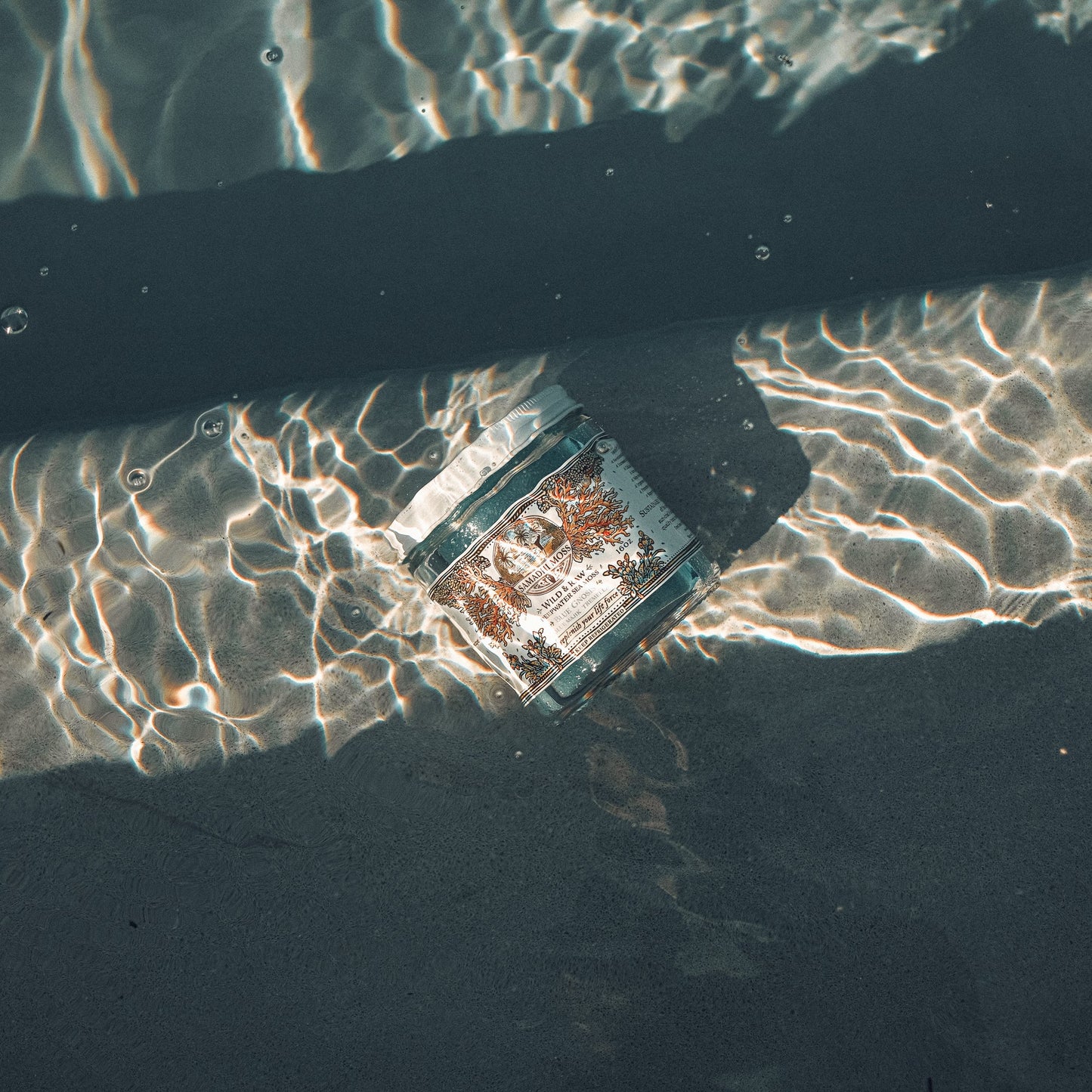
At Samadhi Moss, that standard begins with wild harvested sea moss sourced from Belizean waters, where appearance reflects origin rather than mass-market uniformity. When sourcing is honest, the product does not need to pretend.
How to judge quality with your eyes first
Start with shape. Look for natural branching and variation. Then check color. Expect earth tones, not artificial brightness. Notice texture in the dry state and how it responds to soaking. Pay attention to scent. Real sea moss should feel ocean-born, not chemically treated.
None of these factors works alone. It is the combination that matters. A natural look, a clean marine smell, and a gelatinous soak response usually point in the right direction. If one piece seems off, that may be normal. If the whole batch looks suspiciously perfect, that deserves a second look.
The deeper truth is simple. Real sea moss does not beg for attention. It carries a quiet authority. It looks like a whole food from the sea - mineral-rich, imperfect, and full of lifeforce.
When you know what real sea moss looks like, shopping gets easier. You stop chasing staged images and start reading the product itself. That is where better choices begin - with a trained eye, a higher standard, and a willingness to choose what is real over what is merely marketable.