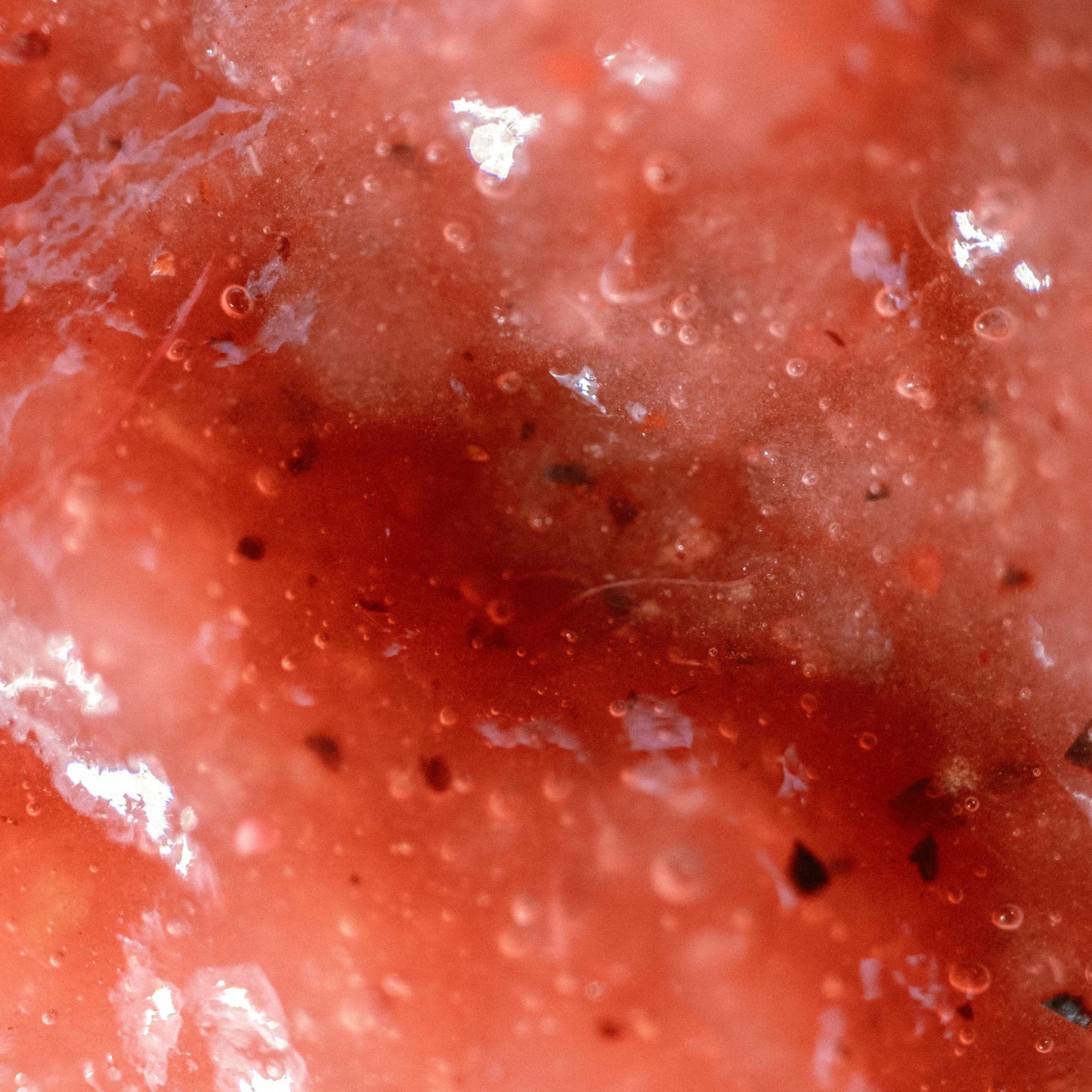
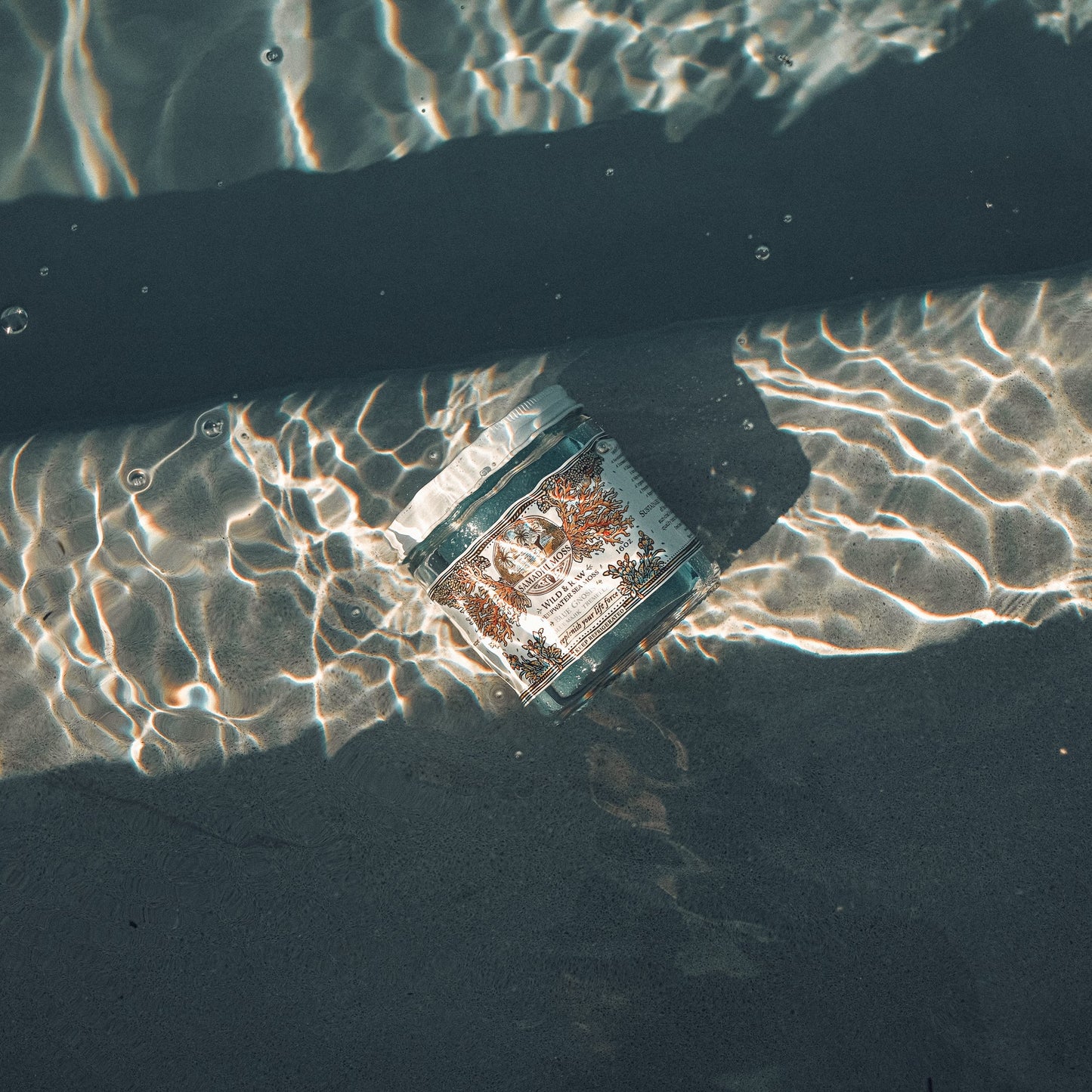
The Belize moss origin story begins where the water gets deeper, cleaner, and harder to reach. This is not sea moss pulled from ropes near a busy shoreline or grown for volume in a controlled farm. Wild Belizean sea moss is gathered from the Caribbean by local divers who know the reefs, currents, and natural growing areas firsthand. That difference is felt long before it reaches your blender.
For people building a more intentional wellness routine, origin is not a marketing detail. It is the foundation. Sea moss is a whole food from the ocean, and the conditions where it grows shape its character, texture, color, and the care required to prepare it.
What Does Belize Moss Origin Mean?
“Belize moss” is the term commonly used for sea moss harvested in the Caribbean waters surrounding Belize. It is valued for its wild-growing environment, where the seaweed develops naturally rather than being cultivated on lines, nets, or ropes.
Not every product labeled sea moss comes from the same place or follows the same path. Some sea moss is farmed close to shore for speed and scale. Some changes hands through multiple distributors before a customer ever sees it. Others may use vague origin language that makes it difficult to know how, where, or by whom it was harvested.
Belizean wild sea moss follows a more direct route. Local divers collect it from natural offshore growing areas, then it is cleaned and dried with the goal of preserving its natural form. The work is slower. Conditions determine when harvesting can happen. Supply is shaped by the sea, not a production quota.
That is the point. Nature does not rush for inventory.
Wild Harvested vs. Farmed Sea Moss
Farmed sea moss is not automatically poor quality. It can be more predictable, more available, and sometimes more affordable. For some shoppers, those trade-offs may make sense. But it is not the same experience as wild harvested moss, and it should not be presented as if it is.
Wild sea moss grows attached to natural underwater surfaces in its native marine environment. It is exposed to changing currents, sunlight, water movement, and the broader ocean ecosystem. Harvesting it requires diving beyond shore, selecting mature growth, and leaving enough behind to support natural regeneration.
Rope-grown sea moss is cultivated by attaching young seaweed to lines, often in shallower water. This approach can produce larger quantities on a more regular schedule. The trade-off is that it is managed cultivation rather than naturally occurring wild harvest.
For Samadhi Moss, no shortcuts means being clear about that distinction. Our moss is dived-for beyond shore, never farmed, and directly sourced from Belizean divers. It is selected for people who care about the full ritual, from the water it came from to the glass it ends up in.
Why offshore harvesting matters
Offshore harvesting does not make a product magically perfect. Purity also depends on responsible handling, cleaning, drying, storage, and preparation. But the harvest location is still meaningful because it tells you whether the moss was found growing in its natural setting or produced through cultivation.
A credible source should be able to speak plainly about its supply chain. Ask whether the moss is wild harvested or farmed. Ask whether it is collected by divers. Ask how it is cleaned and dried. If the answers are unclear, the origin story is probably unclear too.
The Caribbean Environment Behind Belize Sea Moss
Belize sits along the western Caribbean, home to warm waters and one of the world’s most significant barrier reef systems. The region’s marine environment is alive with coral formations, seagrass beds, fish, currents, and naturally growing sea vegetation.
Sea moss is a common wellness name, not always a precise scientific label. Different seaweed varieties can be sold as sea moss, and appearance can vary by species, season, drying method, and water conditions. Wild Belizean moss may look less uniform than heavily processed products. Its color can range from golden and beige to deeper purple-brown tones. Its texture can be wiry, curled, or dense.
Uniformity is useful in a factory. In wild food, variation is often simply a sign that the material came from a living environment.
This does not mean every wild sea moss product is identical or that color alone proves origin. It means customers should look beyond polished photos and oversized claims. A trustworthy sea moss routine begins with honest sourcing, then continues with careful preparation.
From Diver to Daily Ritual
Once wild sea moss is collected, preparation matters as much as harvest. It must be sorted and cleaned to remove natural ocean remnants such as salt, sand, and bits of shell. Then it is dried and stored properly before it is made into gel, ground into powder, or packed as dried moss for home preparation.
Small-batch preparation gives this process the attention it deserves. It also means the finished product may retain a more natural aroma and ocean-forward character than products that have been overly processed. That taste is part of the experience. Sea moss came from the sea. It should not need to pretend otherwise.
The format you choose depends on how you live.
Ready-to-use gel works for people who want a fast, consistent ritual. Add a spoonful to smoothies, juices, teas, oatmeal, soups, or sauces. It is the easiest way to make sea moss part of a morning routine without soaking or blending dried moss yourself.
Dried sea moss is ideal for hands-on wellness people who want to prepare their own gel at home. The process takes more time, but it creates a deeper connection to the ingredient. You rinse it thoroughly, soak it until softened, blend it with clean water, and refrigerate the finished gel.
Powder offers another practical option for travel, simple mixing, and routines that favor convenience. No format is universally best. The right choice is the one you will use consistently and store properly.
What to Look for When Buying Belize Sea Moss
The sea moss category is crowded, and labels can make nearly every jar sound exceptional. Look past broad words like “premium” and “organic” if they are not supported by a clear story. Sea moss is a marine algae, so its quality is better evaluated through harvest practices, place of origin, handling, and transparency.
Start with the basics: Is the sea moss wild harvested or farmed? Is the harvest region named? Does the company describe who sources it and how it is collected? Is it prepared in a way that respects the raw material rather than masking it with unnecessary additives?
Then consider the form. A plain dried moss bag should look like a natural sea vegetable, not a perfectly identical manufactured ingredient. A gel should list straightforward ingredients and provide clear storage guidance. If you are buying flavored gel, flavor should complement the sea moss ritual, not bury it under a long list of fillers.
The most meaningful standard is traceability. You deserve to know more than that your sea moss came from “the ocean.” Belize is a real place, and wild harvest is a real practice. Those details should be easy to find, not hidden behind a vague label.
A Grounded Way to Use Sea Moss
Sea moss can support a nourishing routine, but it is not a replacement for balanced meals, sleep, movement, hydration, or medical care. Think of it as one intentional layer in a larger practice of replenishment.
Begin with the serving guidance on your product and give your body time to adjust. Blend gel into a fruit smoothie, stir powder into a drink, or make your own gel from dried moss when you want a more tactile ritual. Consistency usually matters more than making a dramatic change overnight.
People with allergies, thyroid conditions, dietary restrictions, or questions about iodine intake should speak with a qualified healthcare professional before adding sea moss or any new supplement to their routine. Natural does not mean one-size-fits-all.
The value of Belizean sea moss is not just that it comes from a beautiful corner of the Caribbean. It is that a thoughtful origin asks you to slow down and choose with intention. Know the water. Know the harvest. Let your daily ritual begin with something real.