A spoonful of sea moss gel can feel like a simple act of nourishment: smooth, mineral-rich, and rooted in the ocean. But when the conversation turns to sea moss iodine, simple should not mean careless. Iodine is essential for health, yet it is one of the minerals where more is not always better.
Sea moss can be a meaningful part of a whole-food wellness ritual. The key is respecting its natural variability, understanding your personal needs, and choosing products prepared with real integrity. Replenish with intention. No shortcuts.
Why iodine matters in sea moss
Iodine is a trace mineral your body uses to make thyroid hormones. Those hormones help regulate metabolism, temperature, energy production, growth, and neurological function. Your thyroid is small, but its influence reaches nearly every system in the body.
Because the body does not produce iodine on its own, it must come from food or supplements. Iodized salt, dairy, eggs, seafood, and sea vegetables can all contribute. Sea moss belongs to the sea-vegetable family, which is why it is often discussed as a natural iodine source.
That said, sea moss is not a standardized iodine supplement. Its iodine content can change significantly based on the species, where it grew, the mineral makeup of the water, season, processing, and serving size. Two jars of gel may look similar while providing very different amounts of iodine.
That variability is not a reason to fear sea moss. It is a reason to stop treating every sea moss product as interchangeable.
Sea moss iodine and the thyroid: balance is the point
For most adults, the recommended daily iodine intake is 150 micrograms. Needs rise during pregnancy and breastfeeding, when iodine plays a major role in fetal and infant brain development. At the same time, excessive iodine intake can disrupt thyroid function in susceptible people.
The tolerable upper intake level for adults is 1,100 micrograms per day. That is not a daily target. It is the level above which the chance of adverse effects may increase for the general population.
Both low and high iodine intake can affect the thyroid. In some people, too much iodine may contribute to an underactive or overactive thyroid response. People with Hashimoto’s thyroiditis, Graves’ disease, thyroid nodules, a history of thyroid dysfunction, or a family history of thyroid conditions should be particularly thoughtful before making sea moss a daily habit.
The same applies if you take thyroid medication. Sea moss may still have a place in your routine, but it should be discussed with a qualified healthcare professional who knows your health history and can account for your total iodine intake.
Why source and preparation still matter
Iodine is only one part of the sea moss story. The larger question is what else comes with the plant from the water it grew in and how carefully it was handled before it reached your kitchen.
Wild-harvested sea moss can offer a more intentional alternative to mass-produced, rope-grown material, but “wild” alone is not a complete quality standard. Responsible harvesting, clean sourcing, careful rinsing, small-batch preparation, and transparent handling all matter. Sea moss should look and feel like a food from the ocean, not a mystery ingredient hidden behind oversized wellness promises.
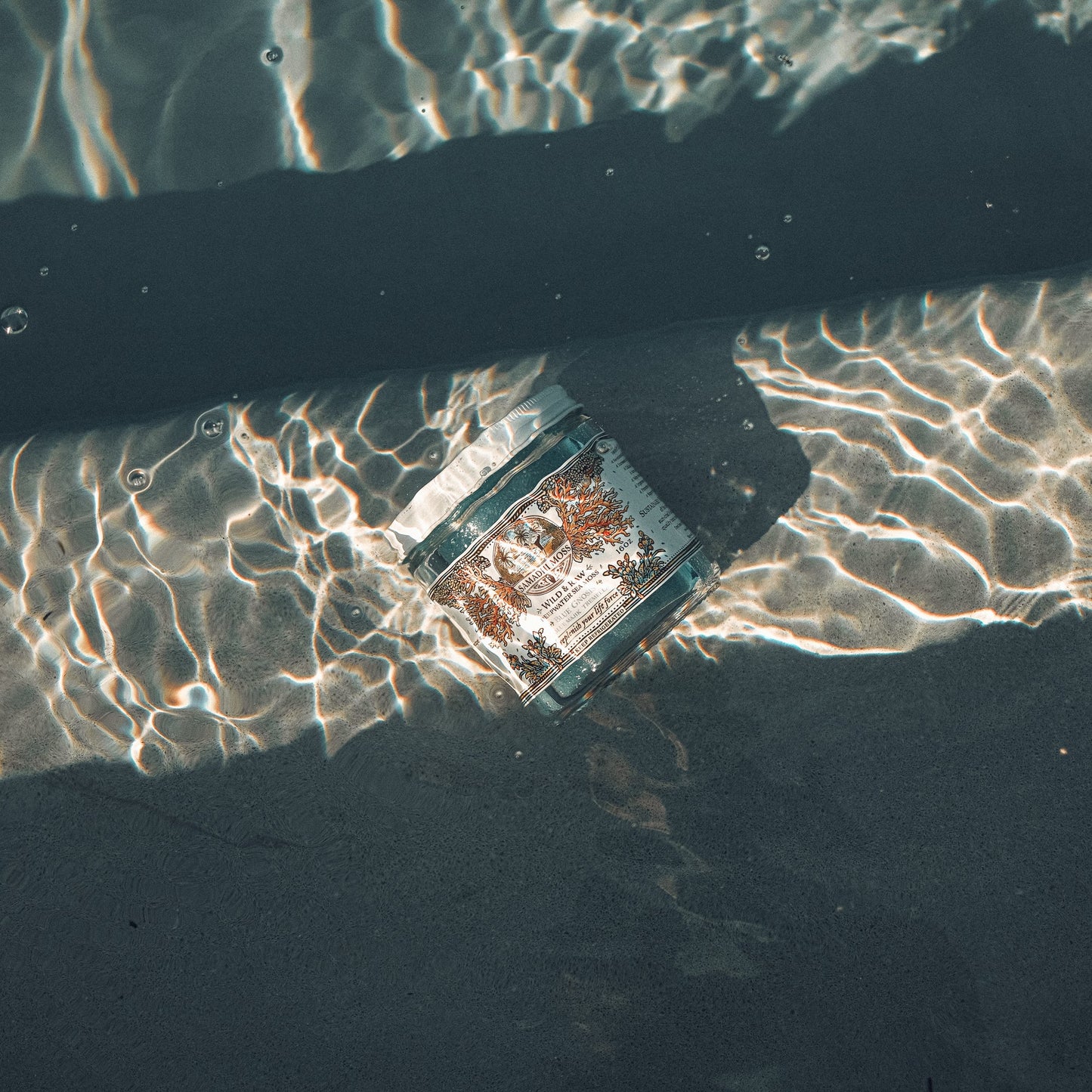
At Samadhi Moss, the standard begins beyond the shoreline, with Belizean sea moss dived for by local harvesters rather than farmed on ropes. That origin speaks to purity and craftsmanship, but it should never be used as a promise of a precise iodine dose. Natural foods are naturally variable. A trustworthy wellness ritual makes room for that truth.
How to use sea moss without overdoing it
The best sea moss routine is not the biggest serving possible. It is the one that fits your diet, your health needs, and the product’s directions.
If you are new to sea moss, begin conservatively. Follow the serving guidance on the product label rather than adding multiple spoonfuls to every smoothie because a social post called it a miracle mineral. Give your body time to adjust, especially if your diet already includes iodine-rich foods such as seafood, seaweed snacks, iodized salt, or a multivitamin containing iodine.
A ready-to-use gel makes consistency easy. Add it to a smoothie, stir it into oatmeal, blend it into a fruit bowl, or take the suggested serving on its own. Powder may suit people who want a more portable option for shakes and recipes. Dried sea moss is ideal for those who prefer a hands-on ritual and want to prepare gel at home.
Format changes convenience, not the need for awareness. A gel, powder, capsule, or dried sea vegetable can all contribute iodine. What matters is the amount used and the quality of the material.
Signs your routine may need a reset
Sea moss is not meant to make you guess your way through discomfort. If you develop new symptoms after adding it to your routine, pause and take stock. Digestive changes can happen when introducing a new fiber-rich food, but persistent symptoms deserve attention.
Thyroid-related symptoms can be broad and overlap with many other health issues. Unexplained changes in energy, heart rate, heat tolerance, weight, anxiety, sleep, or neck swelling are reasons to speak with a healthcare professional rather than self-correcting with more or less sea moss.
Pregnant or breastfeeding people, children, and anyone with diagnosed thyroid disease should not use guesswork as their strategy. Personalized guidance is especially valuable when iodine needs are higher or thyroid sensitivity is already known.
Read the label, then look at the bigger picture
A clean sea moss label should help you understand what you are buying. Look for the species or ingredient name, country or region of origin, serving size, preparation details, storage instructions, and any available testing information. Be cautious of products that claim to cure thyroid problems, erase nutrient deficiencies, or provide a fixed number of minerals without meaningful context.
It also helps to audit the rest of your routine. A daily multivitamin, electrolyte powder, seaweed snack, and sea moss gel can quietly stack iodine sources. This does not automatically make your regimen wrong. It simply means your total intake matters more than any single product.
For people who avoid iodized salt, eat little seafood, or follow a mostly plant-based diet, sea moss may feel like a compelling addition. It can be one nourishing piece of the picture. It should not replace medical testing when a true iodine deficiency or thyroid concern is suspected.
A grounded approach to ocean minerals
Sea moss earns its place in a wellness ritual because it is a real food with a real origin: ocean-grown, mineral-dense, and deeply connected to traditional coastal nourishment. Its value is not that it can do everything. Its value is that, when sourced well and used wisely, it can help make daily replenishment feel more intentional.
Let sea moss be a ritual of respect for your body, not a race toward bigger doses. Choose clean sourcing. Keep servings consistent. Pay attention to how your full diet comes together. The most powerful wellness habits are often the ones built with patience, purity, and enough restraint to let your lifeforce lead.