Most sea moss looks convincing until you know what to look for. A bright bag, a wellness claim, and the word wildcrafted can make almost anything feel premium. If you are learning how to choose authentic sea moss, the real question is simpler: can the brand clearly show where it comes from, how it was harvested, and what was done to it before it reached you?
That is where quality separates itself. Authentic sea moss carries the energy of clean waters, careful handling, and minimal interference. Lower-grade products often rely on vague sourcing, farmed cultivation, bleaching, or heavy processing that strips away trust. If your goal is to replenish minerals, support daily vitality, and build a ritual around real nourishment, authenticity is not a detail. It is the whole point.
Why authenticity matters with sea moss
Sea moss is not one of those supplements where every option is basically the same. Origin changes quality. Harvest method changes integrity. Preparation changes what ends up in your jar, bag, or scoop.
When sea moss is sourced with intention, you can feel the difference in the product experience. The texture is more natural. The scent is oceanic, not chemical. The color feels earthy rather than unnaturally uniform. Most of all, the sourcing story holds up under scrutiny.
That matters because the sea moss market is crowded with products that borrow the language of wellness without the discipline behind it. Some brands use terms like wildcrafted loosely. Others source through layers of middlemen and offer almost no visibility into where the moss was collected. If a product is going to become part of your daily replenishment ritual, clarity should come before convenience.
How to choose authentic sea moss by starting with origin
The first filter is origin. Real sea moss should come with a clear, specific sourcing story, not a vague reference to the ocean or the Caribbean. Country matters. Region matters. Even more than that, the brand should be able to explain its relationship to the source.
If the label says imported, wildcrafted, or responsibly sourced without naming where it was harvested, that is a weak signal. It does not automatically mean the product is poor, but it does mean you are being asked to trust without evidence. Authentic brands tend to be direct. They name the waters, the harvest region, and the people or process behind collection.
Sea moss from Belize is often sought after because of its natural growing conditions and strong sourcing culture around wild harvest. But origin alone is not enough. A good brand should be transparent about whether the moss was harvested offshore or grown in a controlled setup near shore. Those are not the same thing.
Wild harvested vs. farmed sea moss
This is one of the biggest distinctions in the category. Wild harvested sea moss grows in its natural environment and is collected from the sea itself. Farmed sea moss, often rope-grown, is cultivated with more human control and consistency.
For some shoppers, farmed sea moss feels acceptable because it can be easier to source at scale and may look cleaner or more uniform. But if you are shopping for authenticity and full-spectrum integrity, wild harvested sea moss is usually the higher-trust choice. It reflects a natural growth cycle rather than a manufactured one.
That said, brands do not always make this distinction obvious. If you see phrases like ocean grown, sun dried, or naturally sourced, look closer. Those terms can sound clean while still avoiding the more important question: was it truly wild harvested or was it farmed?
A brand with strong standards will answer that without hesitation. No shortcuts. No fuzzy language.
What authentic sea moss should look like
Appearance can tell you a lot, though not everything. Authentic dried sea moss usually has variation. The color may range from golden to purple to deep greenish tones depending on species, minerals, and growing conditions. Natural inconsistency is a good sign.
Be cautious with sea moss that looks overly bright, perfectly uniform, or suspiciously pale. Extremely yellow or almost white sea moss can be a sign of bleaching or heavy processing. Some products are cleaned so aggressively that they lose the visual markers of a natural ocean-grown ingredient.
Texture matters too. Dried sea moss should feel crisp to slightly leathery, not slick, oily, or artificially soft. If it looks too polished, too perfect, or too detached from anything ocean-grown, trust that instinct.
The scent should also be subtle and marine, not overpowering. A mild ocean smell is normal. A chemical smell is not.
Preparation standards matter more than most people realize
You are not just buying raw sea moss. You are buying what happened to it after harvest.
This is where many products lose their integrity. Sea moss can be exposed to poor rinsing practices, excessive heat, additives, preservatives, or unnecessary fillers depending on the format. Even gels, which offer convenience, should still reflect a clean preparation process.
If you are buying dried sea moss, look for brands that explain how it is cleaned and dried. Sun drying and small-batch handling are strong signals when done properly. If you are buying gel, the ingredient deck should stay short and recognizable. If you are buying powder, the brand should explain how the sea moss was dried and milled, because overprocessing can flatten the natural quality you are paying for.
Convenience is not the enemy. Hidden processing is.
How to read the label without getting distracted
Wellness packaging is designed to persuade. Authentic sourcing is designed to inform. There is a difference.
A strong sea moss label should tell you the format, source, and ingredients clearly. For gels, you want to know whether anything beyond sea moss, spring water, fruit, or natural flavor components has been added. For dried moss, you want clear sourcing and handling details. For powders, you want to know whether it is pure sea moss or blended with other ingredients.
Watch for labels that lean heavily on big mineral claims while staying quiet about harvest method. Also watch for products that use too many buzzwords and not enough specifics. Organic, premium, raw, and natural may sound good, but they do not replace transparency.
The best labels do not need to oversell. They tell you exactly what you are holding.
Price can be a clue, but not the whole answer
Authentic sea moss is labor-intensive. Wild harvesting, direct sourcing, careful cleaning, and small-batch preparation all require time and human effort. Because of that, extremely cheap sea moss should raise questions.
That does not mean the most expensive option is automatically the best. Sometimes you are paying for branding more than substance. But when a product is priced far below the rest of the market, there is usually a reason. It may be farmed, low-grade, old stock, diluted, or sourced through bulk commodity channels.
Think of price as one signal among many. If the sourcing is vague and the price is unusually low, that combination tells a clearer story than either factor alone.
Reviews help, but transparency helps more
Customer reviews can be useful for understanding taste, texture, shipping, or consistency. They are less useful for verifying authenticity unless reviewers mention sourcing details or compare the product to other sea moss they have used.
A better trust signal is brand transparency. Does the company educate you on its harvest method? Does it clearly state whether the sea moss is wild harvested? Does it communicate origin without hiding behind trendy language? Can you tell whether there is a direct relationship to the source or just a supply chain with multiple unknown layers?
When a brand is proud of how it sources, that information tends to be easy to find. When it is hard to find, that usually means something.
Choosing the right format for your routine
Once you know how to choose authentic sea moss, the next step is choosing the format that fits your life. Dried sea moss is ideal if you want the most hands-on experience and maximum control over soaking and blending. Gel is best for daily ease and quick use in smoothies, teas, or straight off the spoon. Powder works well for people who want a simple add-in for travel or tightly structured routines.
There is no single best format for everyone. It depends on how involved you want to be and how often you plan to use it. The key is to make sure the format does not come at the expense of purity.
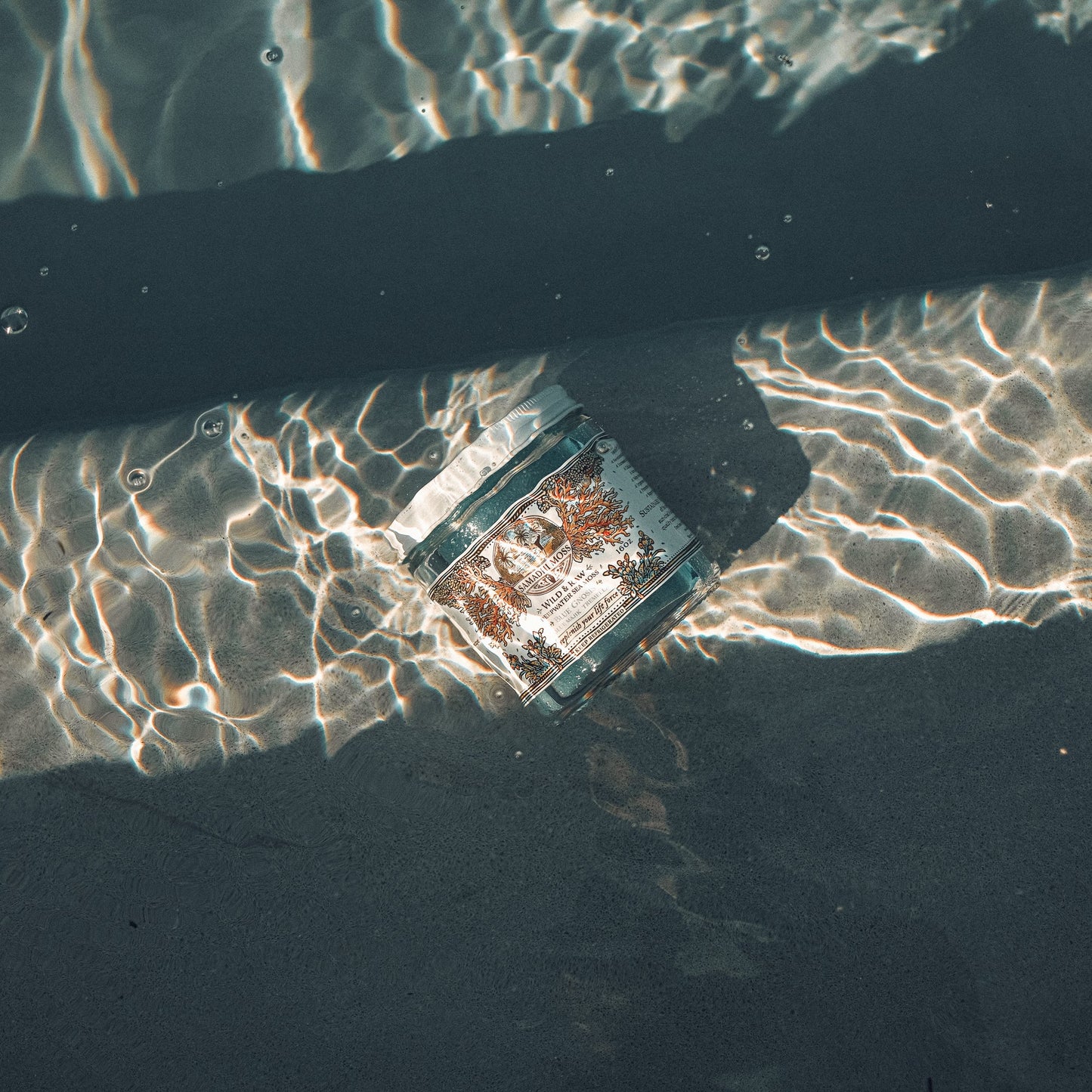
That is why brands like Samadhi Moss center the conversation on origin, wild harvest, and small-batch preparation rather than just flavor or convenience. The ritual works better when the source is real.
Authentic sea moss does not need hype. It needs proof, clean preparation, and a sourcing story that feels rooted in the sea rather than the marketing department. Choose the product that gives you clarity, and your daily ritual will start from a stronger place.