A fresh jar of sea moss gel feels alive - smooth, mineral-rich, and ready for the week. But if you made too much or stocked up, the question comes fast: can you freeze sea moss gel? Yes, you can. Freezing is one of the simplest ways to extend shelf life without wasting a batch, but the method matters if you want to preserve texture, flavor, and that easy daily ritual.
Sea moss gel is naturally perishable because it is water-based and minimally processed. That is part of the appeal. It is real food, prepared with intention, not a shelf-stable shortcut. So if you are working with a clean, small-batch gel, freezing can be a smart move when refrigeration alone is not enough.
Can You Freeze Sea Moss Gel Without Ruining It?
Usually, yes. Sea moss gel holds up well in the freezer, especially when it is plain or lightly flavored. The biggest change tends to be texture, not safety. After thawing, some gels come back almost exactly as they started, while others separate slightly or feel a little looser.
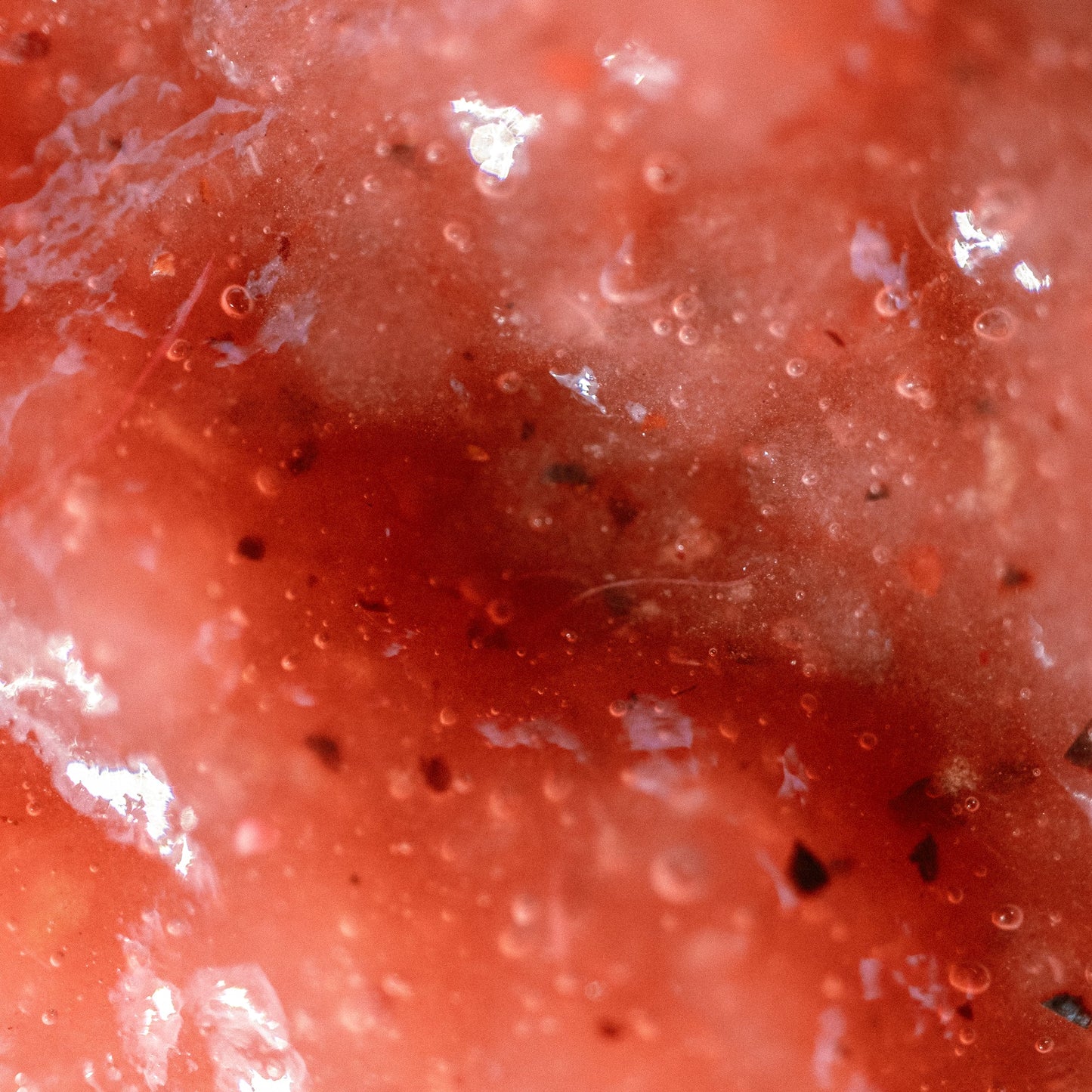
That shift does not automatically mean the gel has gone bad. Sea moss is rich in natural carrageenan and plant compounds that create its gel structure, but freezing and thawing can disrupt that structure. In practical terms, you may need to stir or blend it after thawing to bring back a smoother consistency.
If your priority is convenience and reducing waste, freezing is worth it. If your priority is keeping the exact same just-made texture, refrigeration is better for short-term use.
Why People Freeze Sea Moss Gel
Most people do it for one of three reasons. They made a large batch, bought more than they can finish in time, or want ready portions for smoothies, teas, soups, or daily spoonfuls. Freezing helps protect your routine when life gets busy.
It also gives you more control. Instead of racing through a jar before it turns, you can portion it once and use only what you need. That matters if sea moss is part of your daily mineral ritual and you want consistency without constant prep.
For people who value purity, freezing can be a better choice than stretching freshness too long in the fridge. Clean products do not last forever, and they should not pretend to.
How Long Does Frozen Sea Moss Gel Last?
Frozen sea moss gel is generally best used within 2 to 3 months for the strongest quality. It may remain safe beyond that if it has stayed continuously frozen, but flavor and texture tend to decline over time.
The freezer slows spoilage dramatically, but it does not freeze quality in place forever. A gel that sits too long can pick up freezer odors, lose its fresh taste, or become watery after thawing. If the batch was flavored with fruit, herbs, or other fresh ingredients, quality may fade even faster.
For that reason, freezing is best viewed as a quality-preserving backup, not permanent storage.
The Best Way to Freeze Sea Moss Gel
The cleanest approach is portioning. Freeze sea moss gel in small amounts that match how you actually use it. Ice cube trays work especially well because they create single servings you can pop out as needed. Once frozen solid, transfer the cubes to a sealed freezer-safe container or bag to protect them from air exposure.
If you prefer larger portions, use small glass jars or freezer-safe containers, but leave a little room at the top. Sea moss gel contains a high amount of water, and water expands when frozen. Overfilling can crack containers or force the lid loose.
Before freezing, make sure the gel is fresh. Do not freeze a jar that has already been sitting in the refrigerator for too long and is close to turning. Freezing preserves the condition it is already in. It does not reset the clock.
Labeling helps more than people think. Add the date and, if needed, the flavor. A plain sea moss cube and a mango-infused one can look nearly identical once frozen.
What containers work best?
Silicone ice cube trays, freezer-safe glass, and BPA-free airtight containers are all solid options. The key is minimizing exposure to air and preventing odor transfer. A tightly sealed container protects the gel better than one with excess empty space.
If you are freezing a premium gel made with no shortcuts, container choice matters because clean products can absorb surrounding freezer smells more easily than heavily processed foods.
How to Thaw Frozen Sea Moss Gel
The gentlest way to thaw sea moss gel is in the refrigerator overnight. This helps preserve texture and keeps the temperature in a safer range. If you only need a small amount, you can thaw a cube or two in a bowl in the fridge or add them directly to a smoothie blender if the recipe can handle the extra chill.
For faster use, place the sealed container in cool to lukewarm water. Avoid high heat. Microwaving or heating too aggressively can change texture and dull the fresh character of the gel.
Once thawed, stir it well. If it looks separated or slightly watery, a quick whisk or brief blend usually brings it back together.
Can you refreeze it?
It is better not to. Repeated freeze-thaw cycles stress the texture and raise the risk of quality loss. If you think you will only use small amounts at a time, freeze in smaller portions from the start. That one step makes everything easier later.
Does Freezing Change the Benefits?
For most people, the more noticeable difference is texture, not the overall usefulness of the gel. Sea moss is valued for its broad mineral content and its place in a steady wellness routine. Freezing does not magically erase that.
That said, fresher is usually better when you care about taste, texture, and the full sensory experience. A just-made batch has a cleaner mouthfeel and often integrates more smoothly into recipes. Frozen and thawed gel is still practical and effective for daily use, but there is a small trade-off.
If you use sea moss mainly in smoothies, teas, soups, or blended recipes, you may barely notice any difference. If you take it straight by the spoon and care about a silky finish, you may prefer refrigerated gel for weekly use and frozen portions only as overflow.
Can You Freeze Flavored Sea Moss Gel?
Yes, but flavored gels can be a little less predictable after thawing. Ingredients like fruit puree, citrus, herbs, or sweeteners may separate or change flavor over time in the freezer. Some flavors hold beautifully. Others lose brightness.
If you are making your own batch, plain gel is the most stable option for freezing. You can always add fruit, lime, honey, or other ingredients after thawing. That gives you better texture and more control over taste.
If the gel is already flavored, freeze it sooner rather than later. The fresher it goes in, the better it tends to come out.
Signs Frozen Sea Moss Gel Should Be Tossed
Freezing extends life, but it does not make sea moss immortal. After thawing, trust your senses. If the gel smells sour, looks discolored in an unusual way, shows signs of mold, or has a clearly off taste, let it go.
A little separation is normal. A major shift in smell or visible spoilage is not. This is especially true for gels prepared with fruit or botanicals, since added ingredients can change how the product ages.
Clean wellness starts with clean judgment. If something feels questionable, it is not worth forcing into your routine.
When Freezing Makes Sense - And When It Doesn’t
Freezing makes the most sense when you buy or prepare sea moss gel in larger quantities, travel often, or want grab-and-go portions that support consistency. It is a practical tool for preserving a high-integrity product without waste.
It makes less sense if you go through a jar quickly and love the fresh texture of refrigerated gel. In that case, smaller, more frequent batches may serve you better. There is no prize for storing more than your routine actually needs.
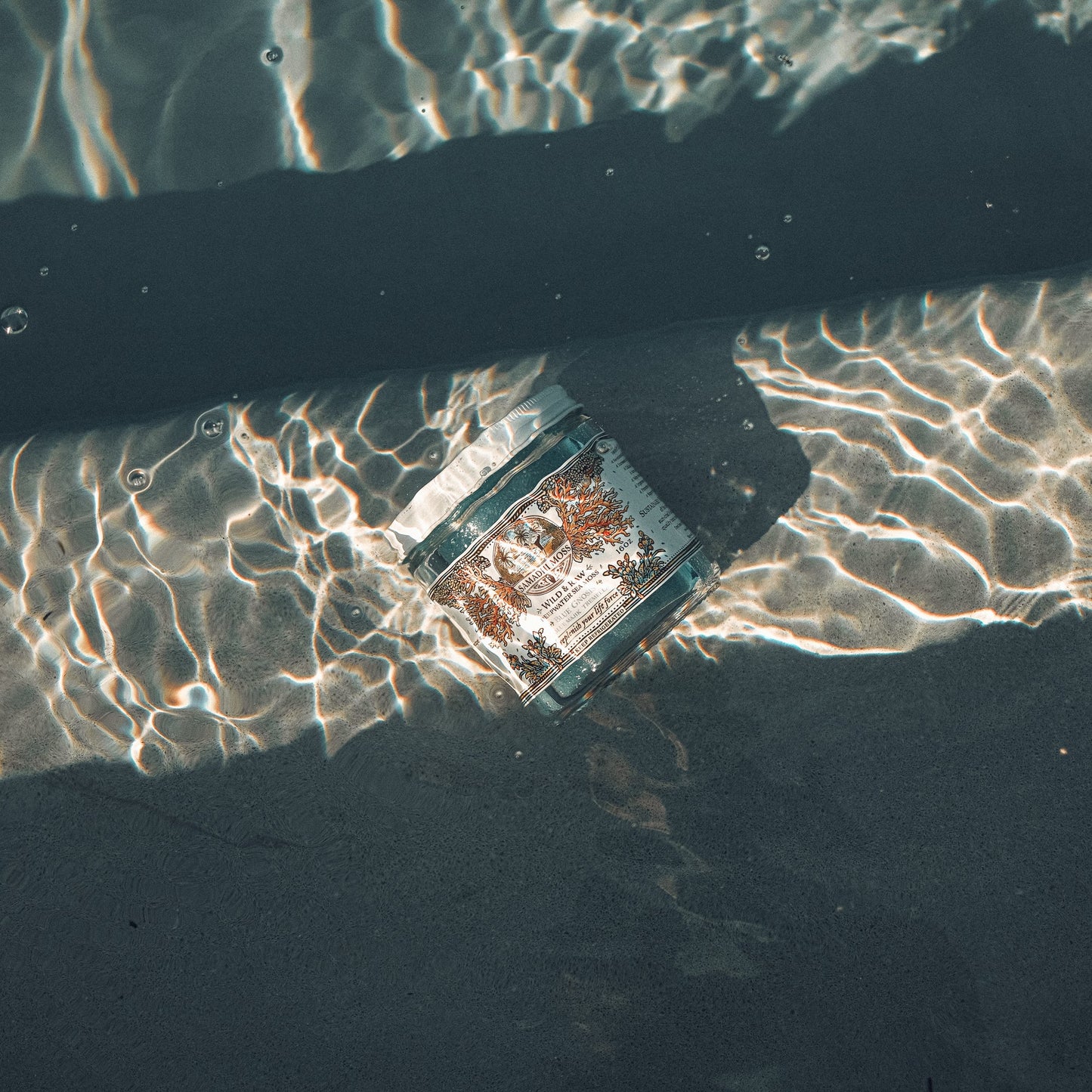
For a brand like Samadhi Moss, where sourcing, small-batch preparation, and purity are part of the value, storage should reflect that same intention. The goal is not just making sea moss last longer. It is keeping your daily replenishment clean, usable, and aligned with the quality you chose in the first place.
Freeze it if you need to. Portion it with care. Then thaw only what supports the next few days of your ritual, so your sea moss still feels like nourishment, not leftovers.