A jar of shilajit should feel like an invitation to a more intentional ritual, not a mystery you have to solve after it arrives. Learning how to choose quality shilajit starts with looking beyond dramatic origin stories and dark, glossy product photos. Purity is in the details: where it came from, how it was cleaned, what the testing shows, and whether the brand can speak plainly about all of it.
Shilajit is a naturally occurring mineral-rich resin that seeps from rock in high-altitude regions. It has a long history in Ayurvedic traditions and is commonly used in modern wellness routines for vitality, stamina, and daily replenishment. But not every product sold as shilajit deserves a place in your cabinet. This is one category where shortcuts can hide behind beautiful packaging.
How to Choose Quality Shilajit Starts With Origin
A trustworthy shilajit product has a clear, specific source. “Himalayan shilajit” may sound reassuring, but the Himalayas span an enormous region. A quality-focused brand should be able to identify the country or mountain region where its raw material is collected and explain how it moves from the source to the finished jar.
Wild-harvested does not automatically mean pure, but it does signal the right question: was the resin collected from its natural environment, or is the claim too vague to verify? Look for brands that describe responsible harvesting, traceable supply chains, and a real relationship with their source. The same standard applies across natural wellness - origin matters because it shapes everything that follows.
Be wary of labels that lean heavily on mystical language while offering no practical details. High-altitude sourcing can be meaningful, but it is not a substitute for purification or testing. A compelling story should be supported by proof.
Raw Resin Is Not the Goal
Shilajit is gathered from nature, where it can come into contact with soil, rock particles, and environmental contaminants. That is why purification is not an optional finishing step. It is essential.
The best brands explain that their shilajit has been filtered and purified before bottling. This process is designed to remove unwanted material while preserving the naturally occurring compounds that make shilajit distinct. You do not need a chemistry degree to assess a label, but you should expect more than the phrase “pure resin.” Ask: purified how? Tested for what? Can the company provide current results?
There is a trade-off worth understanding. Shilajit that is aggressively processed may be easier to standardize, while minimally handled resin can appeal to people who want a more traditional format. Neither description is enough by itself. What matters is a careful process that prioritizes safety, consistency, and transparency - no shortcuts.
Look for Independent Testing, Not Just Claims
Third-party laboratory testing is one of the clearest signs of a serious supplement brand. Ideally, testing should cover heavy metals and microbial contaminants. Depending on the product and supplier, brands may also test for other unwanted compounds and verify key markers such as fulvic acid.
Fulvic acid is often highlighted because it is a naturally occurring component of shilajit. A percentage on the label can be useful, but it should never be the only number guiding your purchase. An unusually high claim without a corresponding certificate of analysis, clear sourcing, or contaminant screening is not a reason to buy. It is a reason to ask more questions.
A certificate of analysis, often called a COA, should be tied to the actual product or batch whenever possible. Generic test documents with no date, lot number, or identifiable lab information offer limited reassurance. Quality is not a one-time event. A brand committed to clean supplementation verifies its products consistently.
Learn the Signs of a Quality Resin
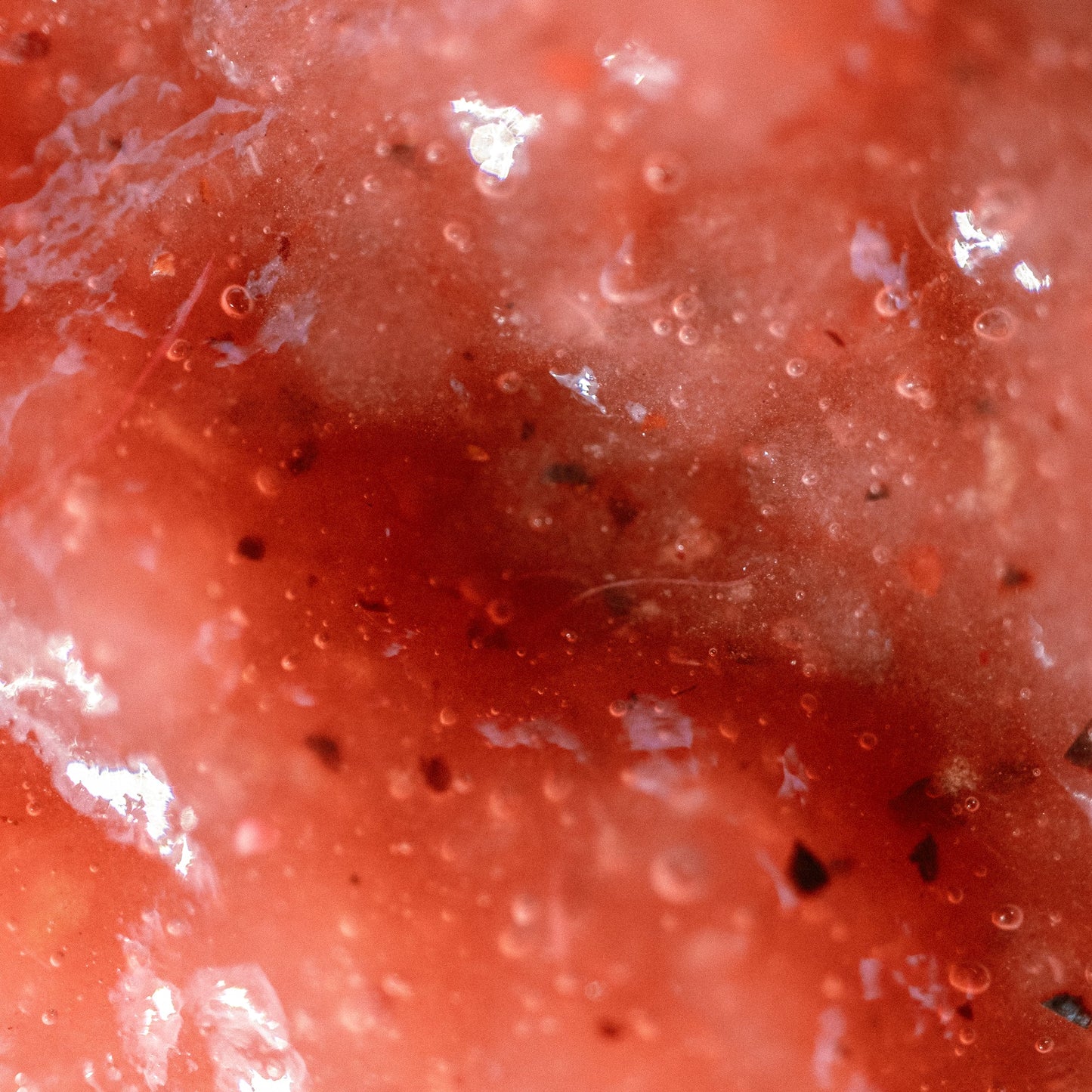
Authentic shilajit resin usually has a dark brown to nearly black color, a dense texture, and a distinctive earthy aroma. It softens with warmth and dissolves in warm water, tea, or milk, leaving behind a deep mineral-like taste. The flavor is not meant to be candy-sweet. It is grounded, bold, and unmistakably of the earth.
Texture can vary with temperature and mineral composition. In a warm room, resin may become softer and more pliable. In cooler conditions, it can feel firm or brittle. That variation is normal. What is less reassuring is a resin that smells sharply chemical, contains obvious grit, or behaves like a syrup loaded with sweeteners.
Powdered shilajit can be convenient, but it deserves extra scrutiny because powders are easier to blend with fillers or other ingredients. If you choose a capsule or powder, read the full supplement facts panel. You should know exactly what is in every serving, including flow agents, binders, flavors, and proprietary blends.
Read the Label Like It Is Part of Your Ritual
A clean label makes daily wellness simpler. Start by checking the serving size and form. Resin is often measured in a small, pea-sized amount, while capsules and powders may list milligrams per serving. More is not always better. Follow the brand’s directions, start conservatively, and give your body time to respond.
Look for a batch or lot number, storage instructions, and a clear list of ingredients. A brand that treats details casually on the label may be treating them casually behind the scenes as well. Quality shilajit should not need artificial colors, excess sweeteners, or a long list of unnecessary additions to feel premium.
Also check whether the product is being sold with exaggerated promises. Shilajit can be a meaningful addition to a wellness practice, but it is not a replacement for sleep, nourishing food, hydration, movement, or medical care. Brands that promise instant transformations are selling urgency, not integrity.
Choose the Format That Fits Your Real Life
The best shilajit is the one you can use consistently and confidently. Resin is the traditional choice for people who enjoy a hands-on ritual. You measure a small amount, dissolve it into a warm drink, and make a few quiet minutes for yourself. Its flavor and texture are part of the experience.
Capsules can be a better fit if you travel often, dislike the taste, or need a streamlined morning routine. Powder may work well in smoothies or functional beverages, provided the ingredient list stays clean and the brand can verify purity. Convenience is not a compromise when the sourcing and testing remain strong.
Consider your routine honestly. A beautiful jar that sits unopened is less valuable than a clean, well-tested format you will actually take. Wellness becomes powerful through repetition.
Who Should Be More Careful With Shilajit?
Natural does not mean right for every person. If you are pregnant, breastfeeding, managing a medical condition, taking prescription medication, or have concerns related to iron levels or mineral intake, speak with a qualified healthcare professional before adding shilajit to your routine. The same applies if you have a history of sensitivity to supplements or are introducing several new products at once.
A thoughtful brand will encourage informed use rather than pressure you to take more. Start with the recommended serving, pay attention to how you feel, and keep your routine simple enough to understand what is working for you.
Make Purity the Non-Negotiable
Quality shilajit is not defined by the loudest claim or the darkest-looking resin. It is defined by traceable origin, careful purification, independent testing, a clean label, and a format that supports your daily rhythm. Those standards protect the integrity of the product and the intention behind your ritual.
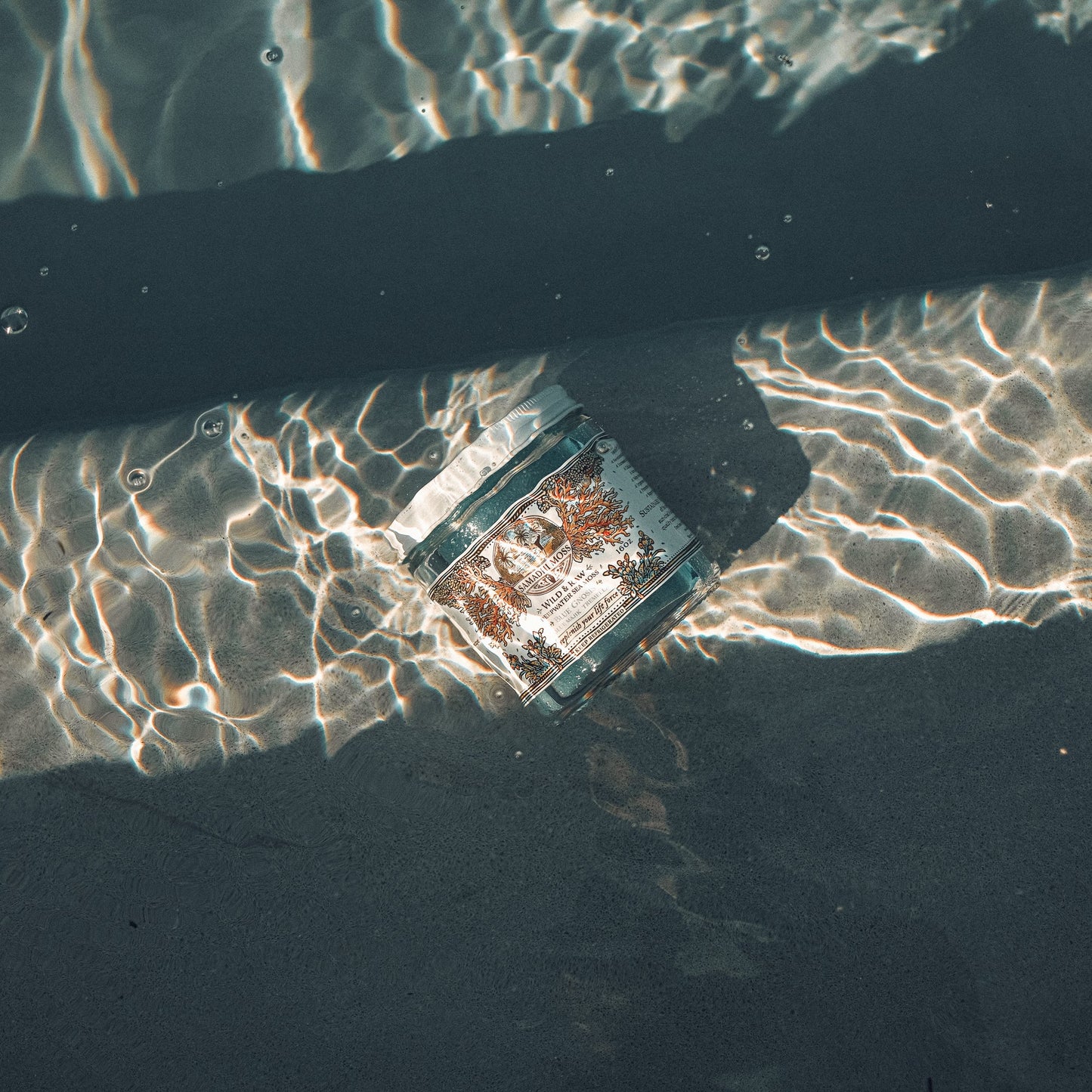
At Samadhi Moss, we believe natural wellness should feel grounded in both lifeforce and proof. Choose products that respect the journey from earth to jar, then let your daily practice be simple: warm water, a measured serving, and a moment to replenish with intention.