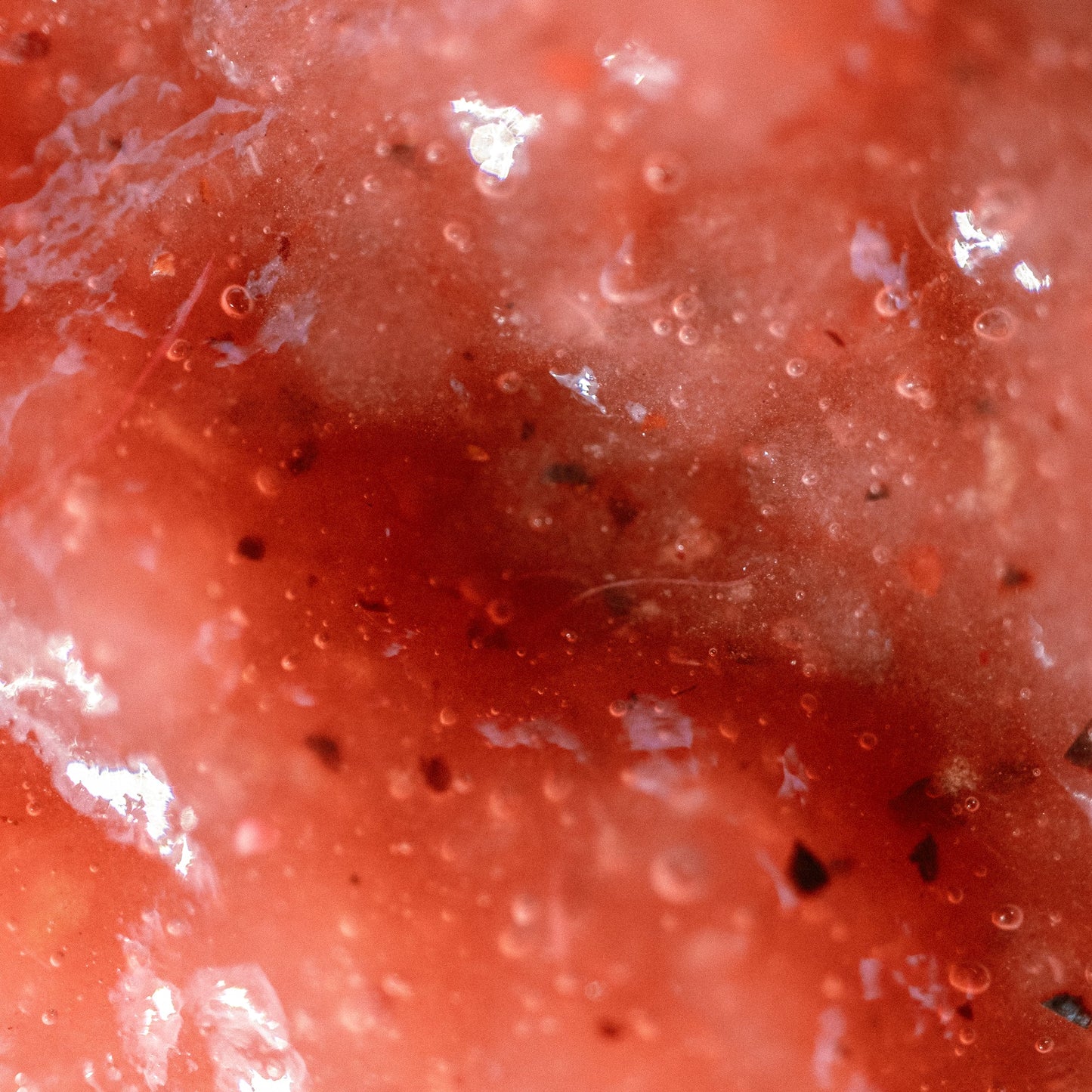
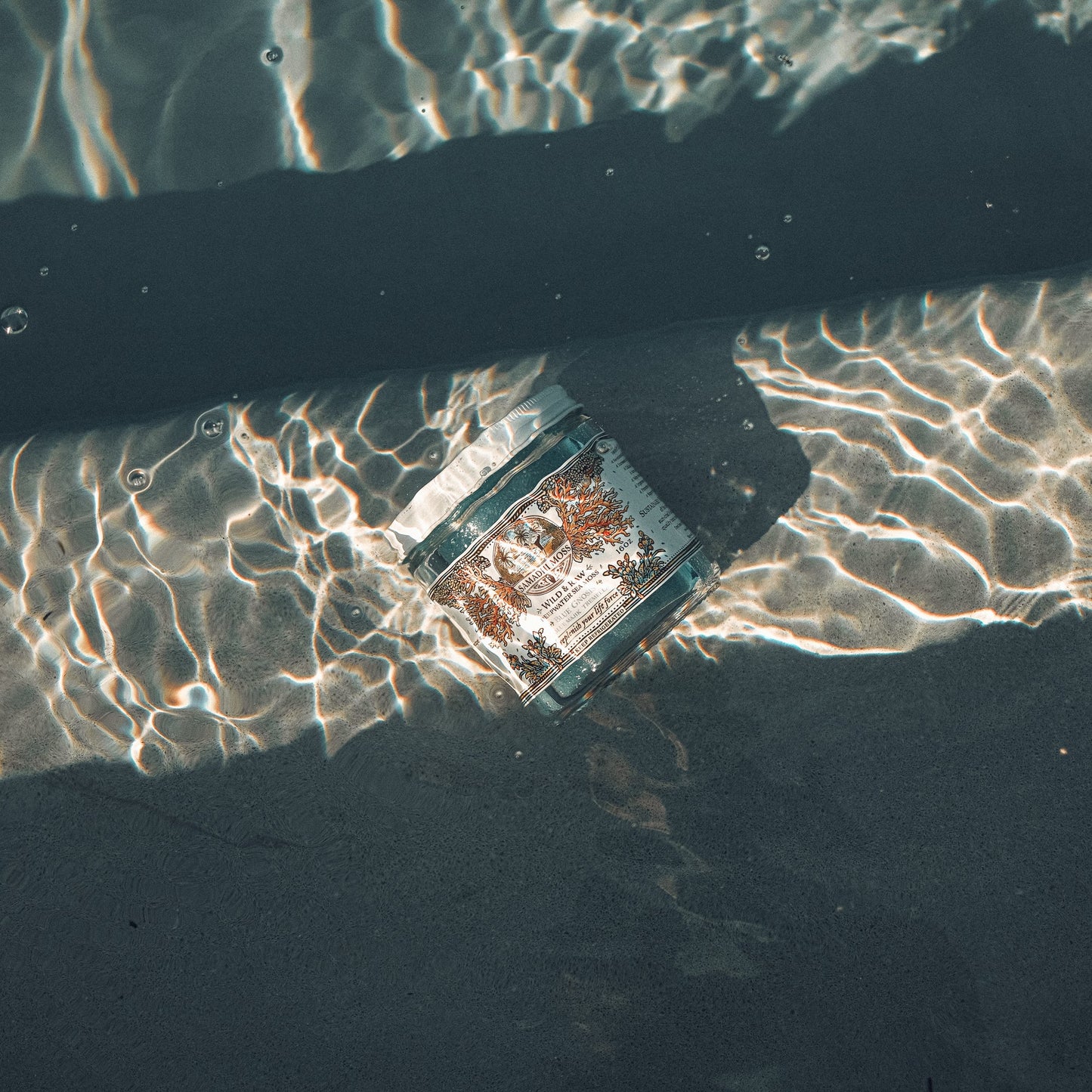
A jar can look earthy, green-gold, and straight from the ocean, yet still leave one essential question unanswered: is sea moss really natural? The honest answer is that sea moss begins as a natural marine algae, but the product in your kitchen depends entirely on how it was grown, harvested, cleaned, preserved, and prepared.
Natural is not a marketing mood. It is a chain of decisions. For anyone using sea moss as part of a daily ritual for mineral support, vitality, and intentional nourishment, those decisions matter.
Is Sea Moss Really Natural? Start With Its Origin
Sea moss is a common name for several species of red algae that grow in saltwater. In its raw state, it is a naturally occurring sea vegetable. It attaches to rocks, moves with ocean currents, absorbs nutrients from its environment, and develops its distinct texture and color through the conditions around it.
That origin is real. But not all sea moss reaches you in the same way.
Some sea moss is wild harvested from its natural marine environment. Divers or harvesters collect it from areas where it grows freely, allowing the ocean ecosystem to shape its development. Other sea moss is cultivated, often called farmed or rope-grown. In this model, algae is grown on lines or ropes in managed waters, then collected on a schedule.
Neither word alone tells the whole story. Wild harvested does not automatically mean clean, and farmed does not automatically mean inferior. What changes is the level of traceability, the growing environment, and the care taken between the water and your wellness routine.
For people seeking sea moss in its closest-to-nature form, wild harvesting from clean, carefully selected waters is often the standard worth looking for. It reflects a slower, more hands-on supply chain. No shortcuts.
Wild Harvested vs. Farmed Sea Moss
The difference is not just a label. It can affect the character of the raw material and the confidence you have in what you are taking.
Wild sea moss grows where nature places it. It is exposed to shifting tides, sunlight, currents, and the mineral profile of the surrounding water. It may vary in color, shape, aroma, and size from one harvest to another. That variation is not a flaw. It is often a sign that the material has not been manufactured into visual uniformity.
Farmed sea moss is typically grown in a controlled coastal setup. Rope-grown cultivation can make supply more predictable and easier to scale. That may be useful for high-volume production, but it also means you should ask more questions: Where is it grown? What is the water quality? How are the ropes maintained? Is the product blended with other algae or fillers after harvest?
A brand should be able to speak clearly about these details. Vague phrases like “ocean-grown” or “premium sea moss” are not the same as naming an origin, harvesting method, and preparation process.
At Samadhi Moss, sea moss is dived-for beyond the shore in Belize and sourced directly from local divers rather than farmed on ropes. That distinction honors both the living ocean and the people who know its waters.
Why Belizean origin matters
Belize is known for warm Caribbean waters and a deep coastal relationship with the sea. Still, geography alone is not a purity guarantee. The meaningful question is whether the harvest area is selected with care and whether the supply chain remains direct enough to preserve accountability.
When sea moss passes through multiple brokers, it becomes harder to verify what happened before it reached the package. Direct sourcing creates a clearer line from diver to preparation. It also makes it easier for a brand to maintain consistent standards around handling, cleaning, and small-batch production.
Natural Does Not Mean Untouched
There is a persistent idea that the most natural sea moss is the one that has never been handled. In reality, raw sea moss needs careful handling to become a food-ready product.
Freshly harvested sea moss can carry salt, sand, shells, and bits of ocean debris. Cleaning is not a compromise of purity. It is part of responsible preparation. The goal is to remove what does not belong while respecting the integrity of the moss itself.
Drying is another necessary step for many formats. Properly dried sea moss is easier to store, ship, and prepare at home. Powdered sea moss goes through additional processing to create a convenient format, while sea moss gel is typically soaked, rinsed, blended with water, and refrigerated. These are all forms of preparation, not proof that a product is artificial.
The real distinction is between purposeful preparation and unnecessary manipulation. A natural sea moss product should not need artificial colors, heavy sweeteners, undisclosed preservatives, or filler ingredients to look appealing or function in a routine.
Read the ingredient panel. A plain sea moss gel should have a short, understandable ingredient list. A flavored gel may include fruit or natural flavor components, but the label should make that clear. If a product claims to be pure sea moss while the ingredient list tells a more complicated story, trust the label.
What to Look for on a Sea Moss Label
You do not need a marine biology degree to make a more informed choice. You need transparency.
Look first for a specific source region rather than a broad claim such as “from the ocean.” Next, look for the harvesting method. Wild harvested, hand harvested, and dived-for are meaningful terms when a company can explain what they mean in practice.
Then consider the format. Dried sea moss bags give you the most control over rinsing, soaking, and blending your own gel. Ready-to-use gel offers daily convenience, especially if you want a simple spoonful in a smoothie, tea, or recipe. Powder can be practical for travel or quick mixing, though it is further removed from the original whole form.
Finally, consider freshness and storage. Sea moss gel is perishable and should be handled like a refrigerated food. A long shelf life without clear explanation deserves a closer look. Dry moss and powder naturally last longer when stored properly, but they should still be protected from moisture and heat.
Purity Requires More Than a Pretty Package
A compelling wellness label can say “wild,” “alkaline,” “mineral-rich,” or “clean.” Those words may describe a product, but they are not evidence on their own. Purity is built through sourcing standards, ingredient transparency, careful preparation, and responsible quality practices.
It also requires realistic expectations. Sea moss is food-based nourishment, not a substitute for a varied diet, medical care, or prescribed treatment. Its mineral content can vary with species, location, season, and processing. People with thyroid conditions, iodine sensitivity, kidney concerns, or medications that affect mineral balance should speak with a qualified healthcare professional before making it a regular part of their routine.
That is not fear-based wellness. It is intentional wellness. The same person who checks where their sea moss was harvested should also pay attention to how their body responds and choose an amount that fits their individual needs.
A More Grounded Way to Choose Sea Moss
The best question is not whether sea moss is natural in the abstract. It is whether the specific sea moss in front of you has been treated with respect from ocean to jar.
Choose a product with a known origin. Favor clear harvesting and preparation details over dramatic claims. Keep ingredients simple. Let natural variation be part of the experience rather than something to hide.
When you can trace your sea moss back to clean waters, skilled harvesters, and thoughtful small-batch preparation, your daily ritual becomes more than a wellness trend. It becomes a practical way to replenish with greater awareness.