A multivitamin can feel like the practical answer to a busy life: one capsule, a long nutrient label, done. Sea moss brings a different kind of value to the ritual. In the conversation around sea moss versus multivitamins, the real question is not which one wins. It is whether you want broad, measured nutrient coverage, a whole-food mineral addition, or a thoughtful place for both.
Your body does not experience wellness as a checklist. Energy, recovery, digestion, sleep, movement, and the food on your plate all shape how you feel. Supplements can support the foundation, but they cannot replace it. The strongest choice is the one that fits your needs, your diet, and a routine you can sustain.
Sea Moss Versus Multivitamins: The Core Difference
Multivitamins are formulated products. They typically combine selected vitamins and minerals in standardized doses, often designed to help close common nutritional gaps. Depending on the formula, that may include vitamins A, C, D, E, and B vitamins alongside minerals such as zinc, selenium, and iron.
Sea moss is a sea vegetable, not a manufactured vitamin blend. Wild sea moss naturally contains minerals and trace elements, with its nutrient profile shaped by where it grows, the surrounding water, harvesting practices, and preparation. It is often used as a gel, powder, or dried whole moss in smoothies, teas, and daily recipes.
That distinction matters. A multivitamin is built for consistency and specific nutrient amounts. Sea moss is valued for its naturally occurring mineral spectrum and its place in a more food-forward wellness practice. One is not a direct substitute for the other.
What a Multivitamin Does Well
A quality multivitamin offers convenience and predictability. If you know you are low in a certain nutrient, or a clinician has recommended a formula based on your diet, life stage, or lab work, a multivitamin can provide targeted support in measured amounts.
This can be especially useful for people with restrictive diets, limited food variety, nutrient absorption concerns, or periods when eating well is harder than usual. A vegan may need reliable vitamin B12 support. Someone with limited sun exposure may be advised to take vitamin D. A prenatal multivitamin may be appropriate for someone trying to conceive or who is pregnant, under professional guidance.
The trade-off is that not every formula is equally intentional. Some include more than you need. Some use forms of nutrients that may not suit every person. And some turn wellness into a race to stack more pills without first looking at sleep, meals, hydration, stress, and movement.
A multivitamin is a tool. It works best when it solves a clear problem rather than becoming a substitute for nourishment.
What Sea Moss Brings to a Daily Ritual
Sea moss belongs in a different lane. It is a natural source of minerals, including iodine, potassium, magnesium, and calcium, though the exact amount of each can vary substantially. It also contains soluble fiber, which is one reason many people enjoy it as part of a morning smoothie or nourishing daily blend.
For people drawn to natural wellness, sea moss can make replenishment feel less clinical. A spoonful of gel folded into a smoothie, tea, or juice is an invitation to slow down and choose what supports you. That ritual has value. Consistency often starts with something you genuinely enjoy using.
But origin matters. Sea moss is only as trustworthy as its sourcing and handling. Wild harvested moss from clean waters is different from low-cost, rope-grown seaweed sold without a clear origin story. Quality begins beneath the surface: where it was gathered, how it was cleaned, and whether it was prepared with care.
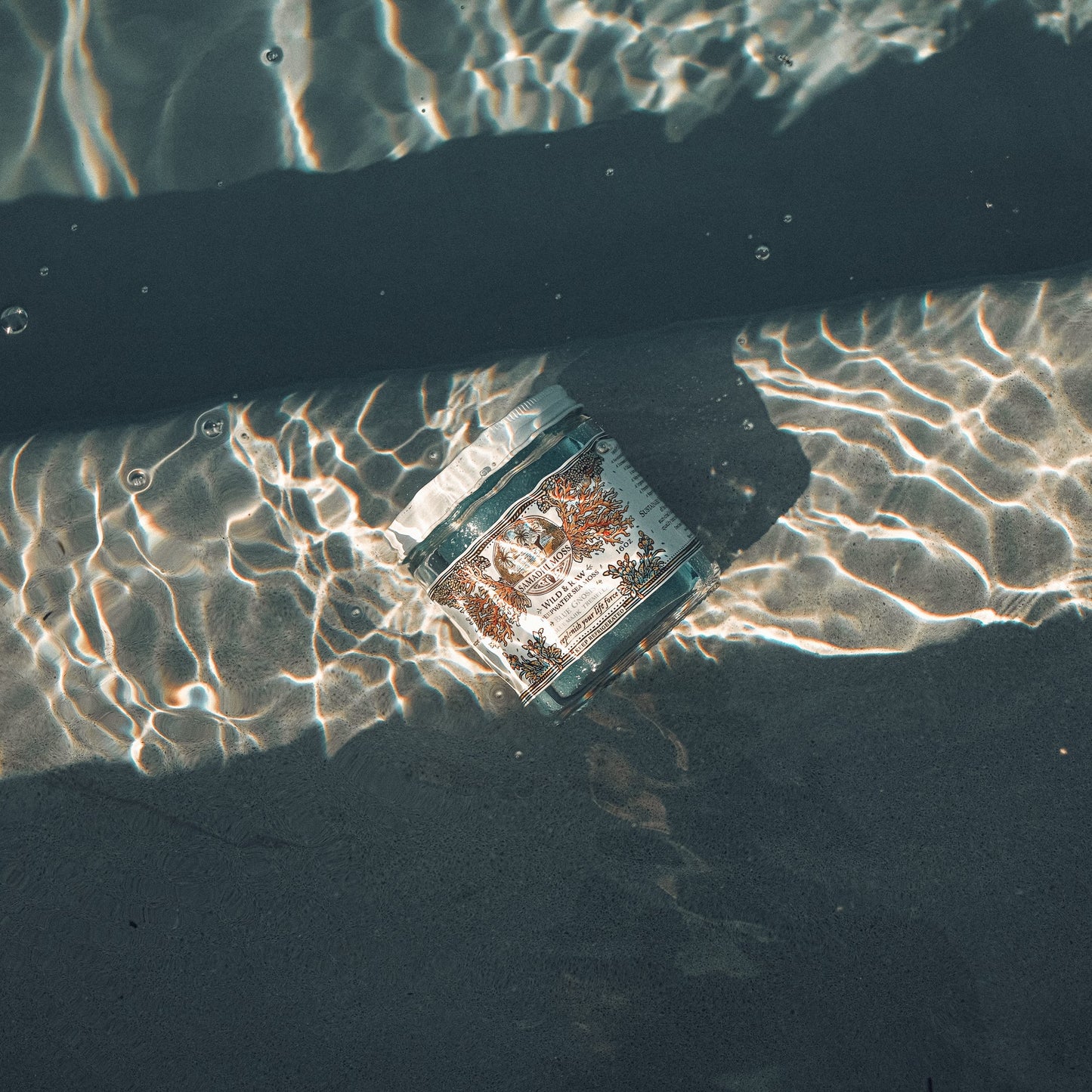
Samadhi Moss sources wild sea moss from Belizean divers who harvest beyond the shore, not from farmed ropes. It is prepared in small batches because no shortcuts belong in a daily wellness ritual.
Why “More Nutrients” Is Not Always Better
It is easy to see long lists of vitamins or minerals and assume more is better. The body is more nuanced than that. Nutrient needs vary by person, and excessive intake of some nutrients can cause unwanted effects or interfere with medications.
Sea moss deserves the same thoughtful approach. Because it naturally contains iodine, it may not be a fit for everyone, particularly people with thyroid conditions or those who have been told to monitor iodine intake. Its mineral content also varies, so it should not be treated as a precise replacement for a supplement prescribed to correct a documented deficiency.
If you take medication, are pregnant or breastfeeding, manage a thyroid or kidney condition, or have a known nutrient deficiency, speak with a qualified healthcare professional before adding sea moss or changing your supplement routine. This is not fear-based wellness. It is informed wellness.
When Sea Moss May Be the Better Fit
Sea moss may be the more natural choice when your goal is to deepen a whole-food routine rather than fill a specific, clinically identified gap. If you already eat a varied diet and want a mineral-rich addition to smoothies, juices, or homemade recipes, sea moss can complement that rhythm beautifully.
It also fits people who want their daily support to feel sensory and flexible. Gel blends easily into liquids. Powder travels well and works in shakes. Dried sea moss gives hands-on wellness enthusiasts the opportunity to prepare their own gel at home.
Choose it for what it is: a sea-grown food with a naturally variable mineral profile, not a miracle cure and not a replacement for medical care. That grounded expectation leaves room for the real benefit: a consistent ritual rooted in replenishment.
When a Multivitamin May Make More Sense
A multivitamin may be more appropriate when you need dependable, listed doses of particular vitamins and minerals. For example, someone with a limited diet, a diagnosed deficiency, or a recommendation from a clinician may benefit from a formula designed around those needs.
It can also be the simpler choice during travel, demanding work seasons, or any chapter when meals are unpredictable. There is no need to make wellness complicated. If a daily multivitamin is the support you can reliably take, that consistency counts.
Still, read the label. Look for nutrient amounts that make sense for you, avoid duplicating high-dose ingredients across multiple products, and be careful with formulas that promise dramatic results. Wellness does not need theatrics to be effective.
Can You Take Sea Moss and a Multivitamin Together?
For many healthy adults, sea moss and a multivitamin can exist in the same routine. They serve different purposes: one brings a whole-food, mineral-focused element, while the other provides standardized micronutrients. But taking both automatically is not always necessary.
Start by considering your diet and your reason for supplementing. If you eat a nutrient-dense diet and use sea moss daily, you may not need a broad multivitamin on top of it. If a multivitamin addresses a specific need, sea moss can remain a separate food-based ritual rather than another attempt to chase higher numbers.
Pay special attention to iodine and any nutrients you already take individually. Check labels, keep your routine simple, and give your body time to respond. Adding five new products at once makes it hard to know what is actually helping.
Build a Routine That Feels Like Care
The best wellness routines are not built on pressure. They are built on intention. Start with real meals, protein, colorful plants, water, rest, and movement. Then choose supplements that serve a clear role.
If you choose sea moss, make it easy to use. Add a spoonful of gel to a morning smoothie, stir it into tea, or blend it into a fruit-forward recipe you look forward to. If you use a multivitamin, take it as directed and pair it with a meal if that is recommended on the label.
There is no prize for the most crowded supplement shelf. Choose the support that meets you where you are, honor the signals your body gives you, and let daily nourishment become a practice of protecting your lifeforce.