Minerals are not a trend. They are the quiet current behind hydration, muscle function, bone health, energy metabolism, and the everyday feeling of being well supported. This guide to mineral rich superfoods is not about chasing one miracle food. It is about building a cleaner, more intentional rhythm of replenishment with foods that bring real nutritional depth to the plate.
For people who train, work hard, move fast, and still want to protect their vitality, mineral-rich foods can help make daily nourishment feel less like an afterthought. The goal is simple: choose whole foods with substance, rotate your sources, and let your routine work with your life.
What Makes a Food Mineral Rich?
Minerals are essential nutrients your body needs in varying amounts. Some, such as magnesium, calcium, potassium, iron, zinc, selenium, and iodine, are widely discussed because they support foundational processes throughout the body. Yet no single food provides every mineral in the right amount for every person.
A mineral-rich food earns its place through nutrient density, not hype. Think dark leafy greens, beans, seeds, seafood, dairy or fortified alternatives, and sea vegetables. These foods often bring more than one mineral to the table, along with fiber, protein, fats, or plant compounds that make a meal more satisfying.
The word “superfood” can be useful when it points you toward better choices. It becomes less useful when it suggests a shortcut. A spoonful of sea moss gel will not replace a varied diet, just as a handful of pumpkin seeds cannot carry an entire nutrition plan. Replenishment is built through repetition.
A Guide to Mineral Rich Superfoods Worth Keeping Close
Sea moss and other sea vegetables
Sea vegetables are compelling because they draw minerals from their marine environment. Sea moss is especially popular in wellness rituals for its gel-like texture, versatility, and naturally occurring mineral content. It blends easily into smoothies, teas, soups, and sauces, making it a practical addition for people who prefer food-based rituals over another capsule.
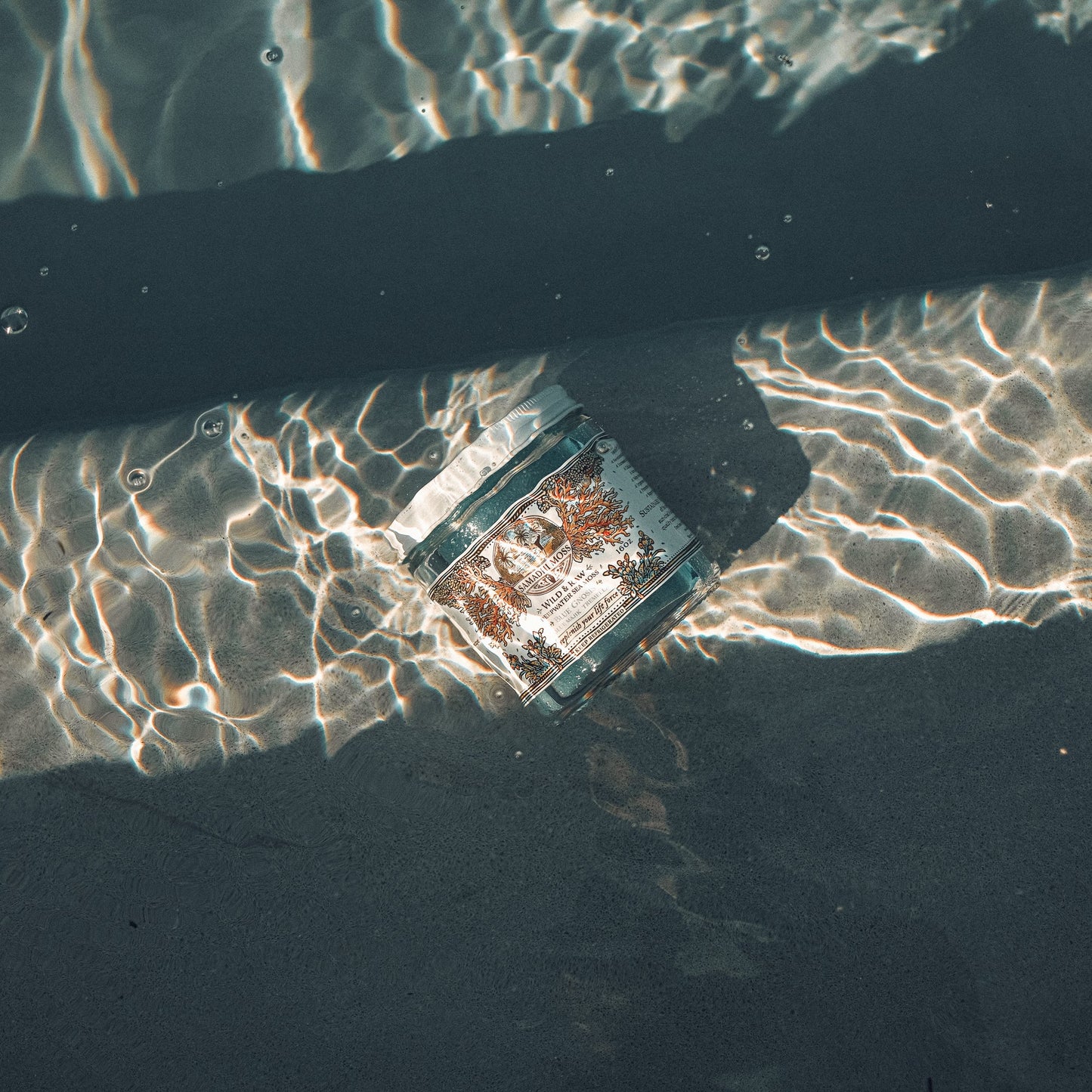
Quality matters here. Sea moss should be treated as an ingredient with a real origin, not an anonymous commodity. Wild-harvested sea moss from clean waters, handled with care and prepared in small batches, reflects a more intentional standard than mass-produced material with an unclear supply chain. Samadhi Moss sources dived-for sea moss from Belizean waters beyond shore, then prepares it for a daily ritual built around purity and ease.
There is also a real trade-off to understand: iodine in sea vegetables can vary widely by species, location, and serving size. More is not always better. If you have a thyroid condition, take thyroid medication, are pregnant, or have been told to monitor iodine, speak with a qualified healthcare professional before making sea moss or other sea vegetables a major daily staple.
Pumpkin seeds, sesame, and chia
Seeds are small, grounded powerhouses. Pumpkin seeds are known for magnesium, zinc, iron, and phosphorus. Sesame seeds contribute calcium, copper, and magnesium, while chia offers magnesium, phosphorus, and plant-based omega-3 fats.
Their strength is not only what they contain but how effortlessly they fit. Sprinkle pumpkin seeds over roasted vegetables, stir chia into overnight oats, or blend tahini into a dressing. These are simple moves that make meals more mineral aware without turning food into a complicated project.
Portion still matters. Seeds are calorie dense, and their minerals are best absorbed as part of an overall balanced eating pattern. If digestion feels heavy, start with a smaller amount and build gradually.
Beans, lentils, and chickpeas
Beans and lentils offer a deeply practical form of nourishment: fiber, plant protein, iron, magnesium, potassium, and folate in one affordable foundation. They are not flashy, but they are one of the most dependable ways to support mineral intake over time.
For better mineral availability and comfort, preparation matters. Soaking dried beans, rinsing canned beans, and cooking them thoroughly can help. Pairing iron-containing plant foods with vitamin C-rich ingredients, such as bell peppers, tomatoes, citrus, or berries, is also a smart way to support iron absorption.
A warm lentil bowl with greens, lemon, olive oil, and seeds does more for a steady daily ritual than an expensive powder used once and forgotten.
Dark leafy greens
Kale, collard greens, bok choy, Swiss chard, and spinach bring different mineral profiles, including magnesium, potassium, and calcium. They also offer vitamin K and a wide range of phytonutrients. Rotating greens is wiser than crowning one as the only choice.
Spinach contains oxalates, naturally occurring compounds that can reduce absorption of some minerals, including calcium. That does not make spinach a bad food. It simply means variety wins. Bok choy and kale, for example, are excellent additions when calcium is a priority, while cooked greens can be easier for some people to digest than large raw salads.
Yogurt, kefir, and fortified alternatives
For those who tolerate dairy, yogurt and kefir can be accessible sources of calcium, phosphorus, potassium, and protein. Fermented options may also fit well into a digestion-conscious routine. Choose plain varieties when possible, then add fruit, cinnamon, or seeds rather than relying on heavily sweetened versions.
Plant-based eaters can look for fortified soy yogurt, soy milk, or other alternatives. Check the nutrition label rather than assuming every plant milk offers the same mineral support. Fortification levels vary, and some products are mainly flavored water with a wellness halo.
Sardines and shellfish
If seafood fits your lifestyle, sardines and shellfish bring highly bioavailable nutrients to the table. Sardines with bones can provide calcium alongside vitamin D, protein, and omega-3 fats. Oysters are well known for zinc and also provide iron, copper, and selenium.
These foods are powerful, but sourcing and personal preference matter. Choose seafood from brands and suppliers that are transparent about origin and handling. If you do not eat seafood, do not force it. Beans, seeds, greens, and appropriately fortified foods can still form a strong mineral-forward pattern.
Build Mineral Support Through Pairing, Not Perfection
The most effective approach is to create meals where mineral sources naturally meet. A smoothie with sea moss gel, berries, chia, and a fortified milk can be one part of the day. A lunch of lentils, greens, tahini, and citrus can be another. Dinner might include roasted vegetables, beans, and a protein source that fits your needs.
Think in combinations rather than isolated numbers. Vitamin C can support non-heme iron absorption from plants. Dietary fat helps your body use fat-soluble vitamins that often travel alongside mineral-rich whole foods. Adequate protein supports the bigger picture of recovery and structure.
Also pay attention to what can work against your goals. Excessive alcohol, highly processed diets, and relying on caffeinated drinks in place of meals can make a replenishing routine harder to sustain. Coffee and tea do not need to disappear, but it can be helpful to avoid having them immediately with an iron-focused meal if iron status is a concern.
Create a Daily Ritual You Can Actually Keep
Consistency beats intensity. Start by choosing one mineral-rich anchor for each part of your day: seeds or fortified yogurt at breakfast, beans or greens at lunch, and a sea vegetable ritual or mineral-conscious dinner later on. Give the habit two weeks before deciding whether it fits.
Ready-to-use sea moss gel works well for people who want a fast morning addition. Powder can suit travel or a more concentrated smoothie habit. Dried moss is for those who enjoy preparing their own gel and want a hands-on relationship with the ingredient. None is universally best. The right format is the one you will use with care and consistency.
If fatigue, cramps, hair changes, digestive symptoms, or low mood are persistent, do not self-diagnose a mineral deficiency from social media. Nutrition is personal, and blood work or professional guidance can clarify whether you need dietary adjustments, targeted supplementation, or a different kind of support.
Let Your Food Carry More of the Load
A mineral-rich routine should feel steady, clean, and alive - not restrictive. Keep sea moss, greens, seeds, legumes, and other whole-food staples within reach. Choose ingredients with a story you trust. Then return to them often enough that nourishment becomes part of your rhythm, not another task on your list.