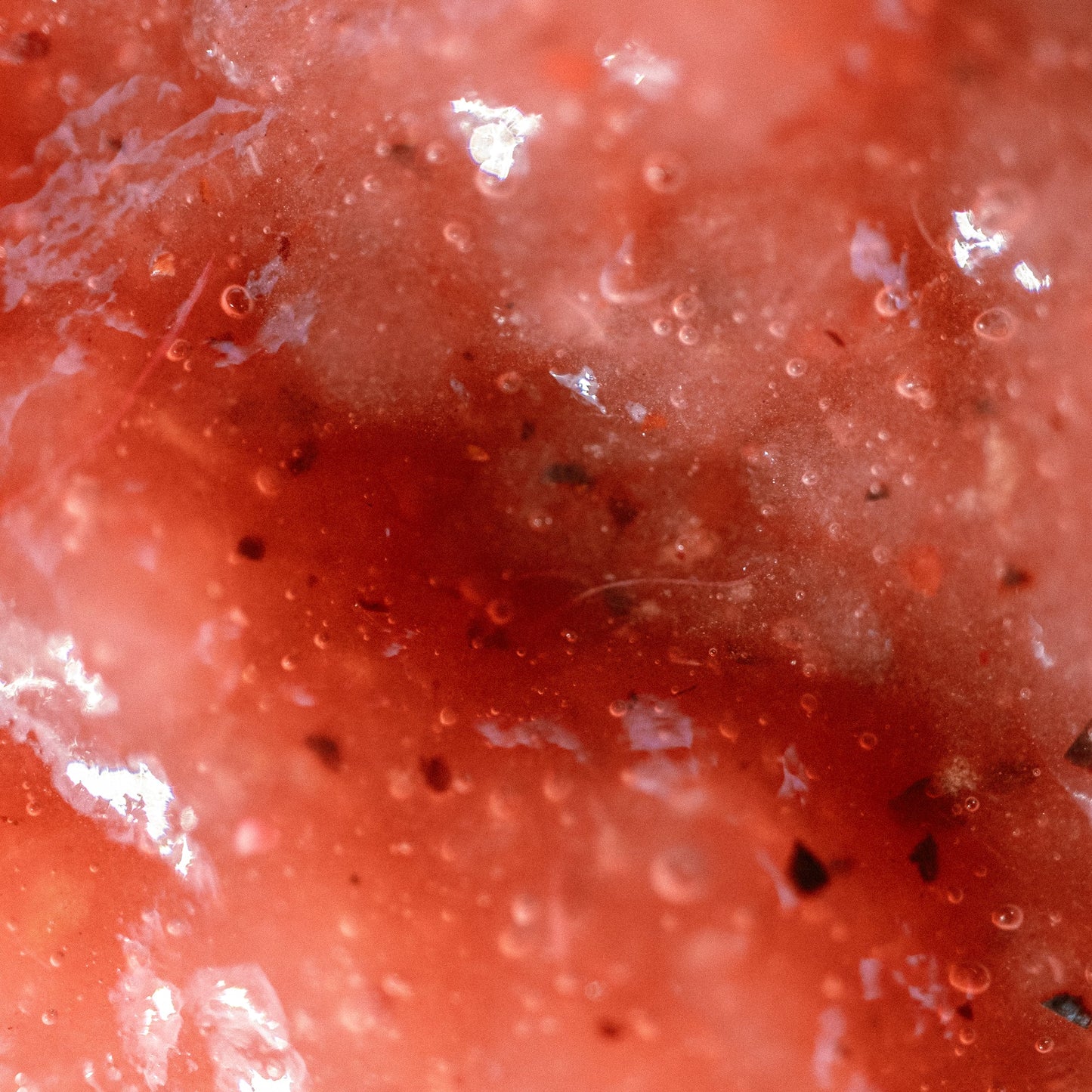
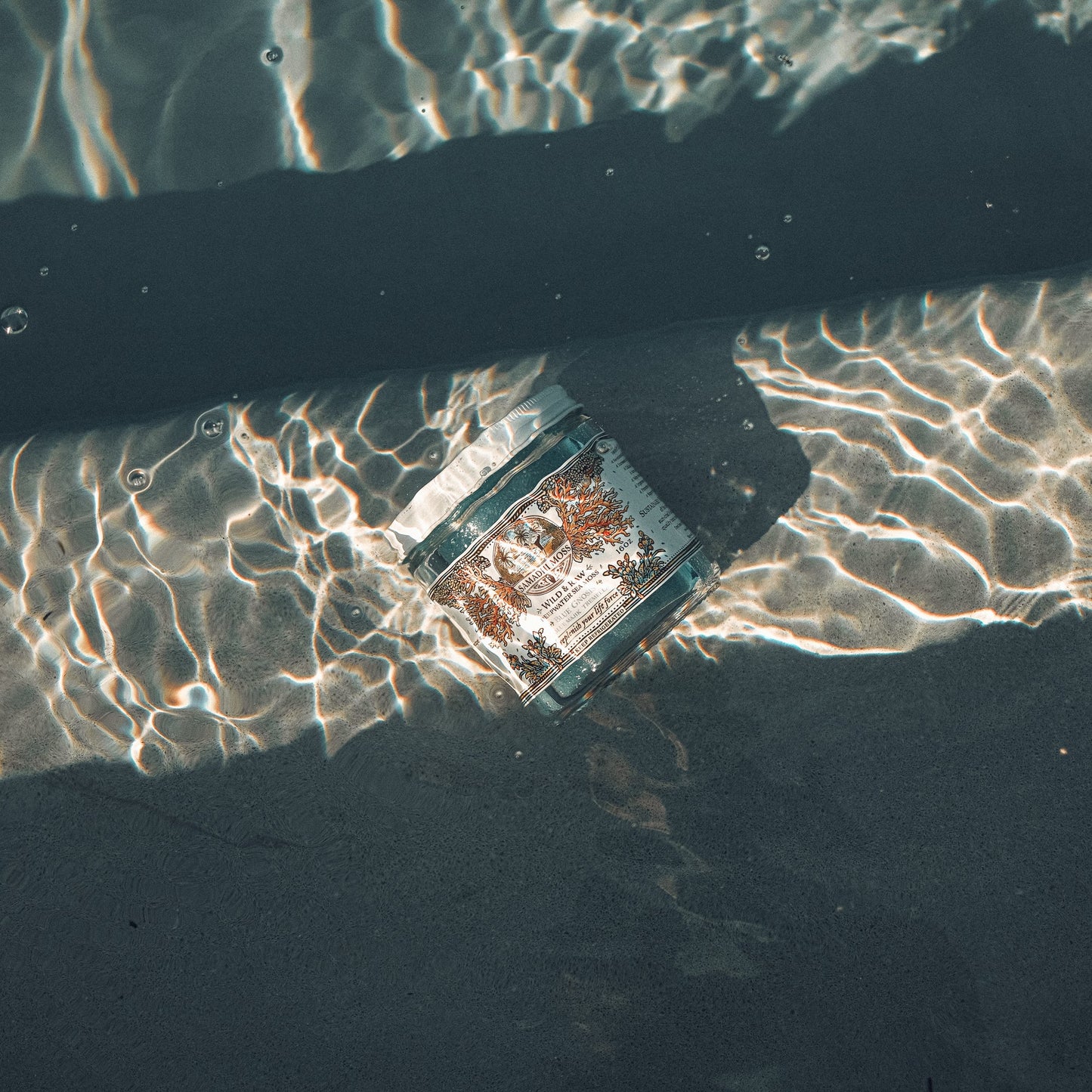
A jar of sea moss gel can look simple: smooth, golden, and ready for a spoonful in your morning smoothie. But the real story starts far from the kitchen. It starts underwater, with the species, the water, the harvest method, and the care taken between ocean and jar. That is why Irish moss should never be chosen by color, hype, or a long list of promises alone.
For a daily ritual meant to support nourishment and vitality, origin matters. No shortcuts. The sea gives this plant its character, but careful sourcing determines what reaches your routine.
Irish Moss Is Not a Quality Standard
Irish moss is a common name used for several edible red seaweeds in the wellness space. Traditionally, the name refers to Chondrus crispus, a species associated with cool North Atlantic waters. In modern supplement conversations, it is also often used for tropical sea moss varieties, including varieties of Gracilaria harvested in Caribbean waters.
That distinction is not meant to complicate your wellness ritual. It is meant to make it more honest. “Irish moss” on a label does not automatically tell you where it grew, whether it was farmed, how it was harvested, or how it was handled after harvest. Two products can share the same common name while offering a very different source story.
Sea moss is valued as a whole-food sea vegetable with naturally occurring minerals and a unique mucilaginous texture when soaked and blended. It can bring a gentle thickness to smoothies, teas, soups, and homemade gels. Its appeal is practical as much as ritualistic: one simple ingredient can fit easily into a nutrient-conscious lifestyle.
Still, sea moss is not magic in a jar. Its mineral profile varies by species, growing environment, season, and processing. It is best treated as one intentional part of a well-rounded approach to food, hydration, movement, rest, and recovery - not as a replacement for them.
Why Harvest Method Changes Everything
The ocean is not a factory. Sea moss growing freely in open water is exposed to currents, depth, changing light, and the natural rhythm of its environment. Those conditions are part of the plant’s life cycle, and they are why sourcing deserves more than a small line of text on a product page.
Wild-harvested sea moss is collected from its natural growing environment rather than cultivated on ropes or in managed growing areas. That does not mean every wild-harvested product is automatically superior, nor does it mean farming is inherently poor quality. It does mean you should ask better questions: Where was it harvested? Was it collected responsibly? Who handled it? Was the supply chain direct or layered with middlemen?
For Samadhi Moss, the standard begins in Belize, where sea moss is dived for beyond shore by local divers rather than grown on ropes. This approach is rooted in respect for the source. The goal is not to make the ocean move faster. It is to work with what it gives, then prepare it in small batches with care.
A direct relationship to harvest also creates a clearer line of accountability. When a brand can speak plainly about location and method, you have more than a marketing phrase. You have a starting point for trust.
Wild, Farmed, and Rope-Grown Sea Moss
These terms are often used loosely, so it helps to keep the differences clear. Wild sea moss grows naturally and is collected from its native environment. Farmed sea moss is cultivated under managed conditions. Rope-grown sea moss is typically attached to lines or ropes to encourage growth and simplify harvesting.
Each method can affect availability, price, appearance, and consistency. Farmed material may be easier to produce at scale and more uniform from batch to batch. Wild harvesting is often more limited, more seasonal, and more dependent on skilled collection. For people who prioritize natural origin and a less industrial supply chain, that trade-off can be worth it.
The right question is not simply, “Is it sea moss?” Ask whether its journey aligns with your standards for purity, transparency, and intention.
What Sea Moss Can Realistically Add to Your Routine
Sea moss earns its place in a wellness cabinet because it is versatile, minimally processed, and easy to use consistently. Many people enjoy it as a way to add a plant-based sea vegetable to meals without changing their entire diet.
A plain gel can be stirred into smoothies, oatmeal, sauces, or warm tea. Powder can work well for travel, quick shakes, and recipes where you want a dry pantry format. Dried moss is for the person who wants the most hands-on relationship with preparation: rinse it, soak it, blend it, and make your gel fresh at home.
The best format depends on the friction you are willing to accept. Ready-to-use gel is the easiest path when consistency matters and mornings move fast. Powder is compact and convenient, though it may not deliver the same texture or preparation experience as gel. Dried sea moss asks more of you, but it gives you direct control over soaking, blending, thickness, and batch size.
There is no prize for choosing the most complicated option. The best choice is the one you will use with care, regularly, and in a way that fits your life.
A Grounded Approach to Daily Use
Start small, especially if sea moss is new to you. A modest amount in a smoothie or meal lets you see how the flavor, texture, and routine feel in your body. Consistency tends to matter more than chasing a dramatic dose.
Because sea vegetables can contain iodine, people with thyroid conditions, iodine sensitivities, or thyroid medication should speak with a qualified healthcare professional before making sea moss a regular supplement. The same applies during pregnancy, while nursing, or when managing a medical condition. Natural does not mean universally appropriate, and responsible wellness leaves room for individual needs.
Pay attention to the rest of your diet, too. If you already consume iodized salt, seafood, or other iodine-containing supplements regularly, sea moss is one piece of a larger picture. A thoughtful routine is not about piling on every wellness product. It is about choosing what serves you and leaving the excess behind.
How to Recognize a Better Sea Moss Product
Quality is often quiet. It shows up in clear sourcing language, sensible preparation, and a product that does not need exaggerated claims to feel valuable. A trustworthy brand should be able to identify its harvest region, explain whether its sea moss is wild or cultivated, and describe how the product is cleaned and prepared.
Look for an ingredient list that makes sense. If you are buying plain sea moss gel, you should know exactly what else is in the jar. Flavor can be a welcome part of the ritual, especially when it encourages daily use, but it should not disguise a vague formula. Storage instructions and realistic shelf-life guidance matter as well, particularly for refrigerated gels.
Appearance alone is not proof of quality. Wild sea moss may vary in color and shape because nature does not produce identical batches. A perfectly uniform product is not automatically a problem, but it should not be mistaken for evidence of purity. The more useful signals are traceability, preparation standards, and a brand willing to be specific.
Make the Ritual Yours
Sea moss works best when it becomes ordinary in the best possible way: a small act of replenishment you can return to without overthinking it. Blend it with fruit after a workout. Stir it into breakfast before a full day. Prepare a fresh batch of gel on a quiet Sunday and stock the week with something made from the ocean, your own hands, and a little more intention.
Choose sea moss with the same discernment you bring to the rest of your wellness practice. Know the waters it came from. Respect the harvest. Keep your expectations grounded. Then let a simple daily ritual do what rituals do best: remind you to make room for your own lifeforce.