Open a bag of real sea moss and you may notice the ocean before you see the moss itself. That natural, mineral-rich, slightly salty aroma is often the first clue that it has not been stripped, overly processed, or covered up with artificial fragrance. If you have ever wondered why moss smells, the answer begins with where it came from, how it was handled, and what form it is in when it reaches your kitchen.
Sea moss is a sea vegetable, not a neutral-smelling powder made in a factory. It grows in a living marine environment, where saltwater, sunlight, currents, and coastal minerals shape its character. A clean ocean scent can be completely normal. The goal is not odorless moss. The goal is fresh, properly prepared moss with an honest scent that reflects its natural origin.
Why Moss Smells Like the Ocean
Sea moss carries aromatic compounds absorbed from the water it grows in. Those compounds can create notes that feel briny, earthy, green, mineral-like, or faintly sulfuric. Think of the scent of tide pools, wet rocks after rain, or fresh seaweed washed onto shore. It is distinct because the ocean is distinct.
Wild-harvested sea moss can smell more present than heavily washed or farmed material because it has retained more of its natural character. That does not automatically make a stronger scent better, and a mild scent does not automatically mean poor quality. Species, harvest location, moisture level, and storage all matter. But real sea moss should not need perfume, bleach, or aggressive processing to seem appealing.
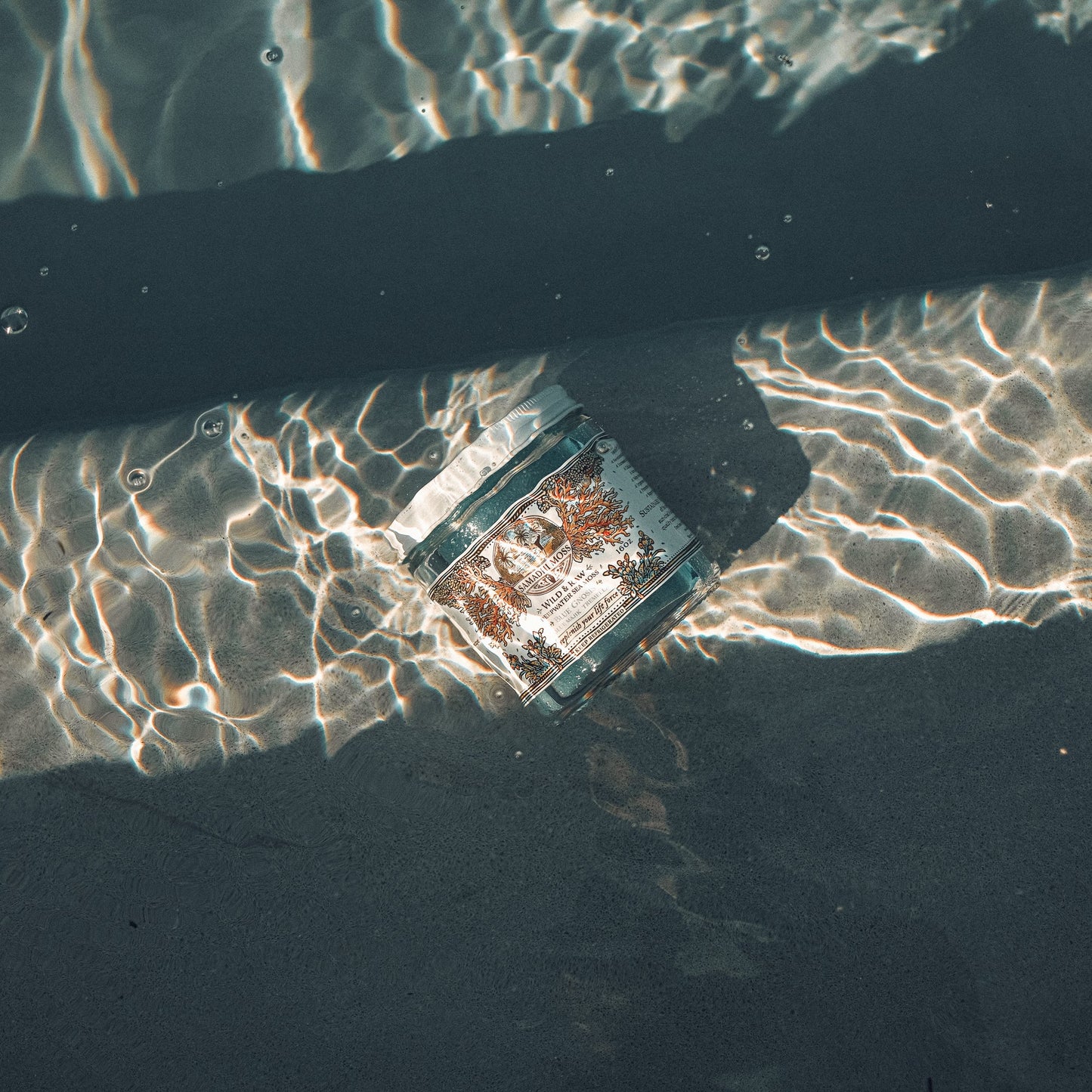
At Samadhi Moss, that origin matters. Sea moss that is dived for beyond shore in Belize carries the imprint of the waters where it was harvested. No shortcuts. Just a raw marine ingredient prepared with intention.
The Difference Between Ocean-Fresh and Off
A fresh ocean aroma is clean and recognizable. It may be salty or earthy, but it should not make you recoil. An unpleasant odor is different. If your sea moss smells sharply rotten, intensely fishy, sour, rancid, or like ammonia, treat that as a signal to pause.
The simplest distinction is this: natural sea moss smells like the sea. Spoiled sea moss smells like decay.
Trust your senses, but use more than one. Smell is a helpful checkpoint, not a laboratory test. Look at the color, texture, packaging, and storage history too. If something seems questionable, do not try to taste it to confirm.
Why Dried Moss Smells Different From Sea Moss Gel
The form you buy changes the scent you notice. Dried sea moss usually has the most direct marine aroma because it is close to its harvested state. Once it is rinsed, soaked, and blended into gel, the scent typically softens. The result should feel clean, light, and ocean-adjacent rather than overpowering.
A plain sea moss gel may still have a subtle smell, especially when you open a fresh jar. That is normal. It contains a whole-food ingredient with a real origin. A fruit-infused gel can smell sweeter or brighter because of its added ingredients, but the underlying sea moss should still be prepared with care.
Powdered sea moss may smell milder than dried moss or gel, though it can retain an earthy marine note. The key is consistency. If a product normally smells mild and suddenly develops a sharp, sour, or fermented odor, it is no longer behaving as expected.
The Preparation Process Can Change the Aroma
Rinsing and soaking are not cosmetic steps. They help remove surface salt, sand, and residual ocean debris while rehydrating the moss before it becomes gel. This is why DIY preparation takes patience. The smell often changes during the process, becoming cleaner and less concentrated as the moss absorbs fresh water.
Water quality matters here. Use clean water, rinse thoroughly, and keep your preparation tools clean. A sea moss gel made in an unclean blender or stored in a poorly washed container can take on odors that have nothing to do with the sea moss itself.
Soaking too long at room temperature can also create problems. Sea moss is a perishable food once hydrated. It belongs in a clean, covered container and should be handled according to the storage directions for your specific product. More time is not always more nourishment. Proper preparation protects the integrity of the ritual.
What a Normal Sea Moss Texture Looks Like
Smell and texture work together. Dried sea moss should feel dry to the touch, not damp, sticky, or oily. It may be wiry, leafy, or curled depending on the variety. Natural color can range from golden and tan to deep purple, green, or reddish tones.
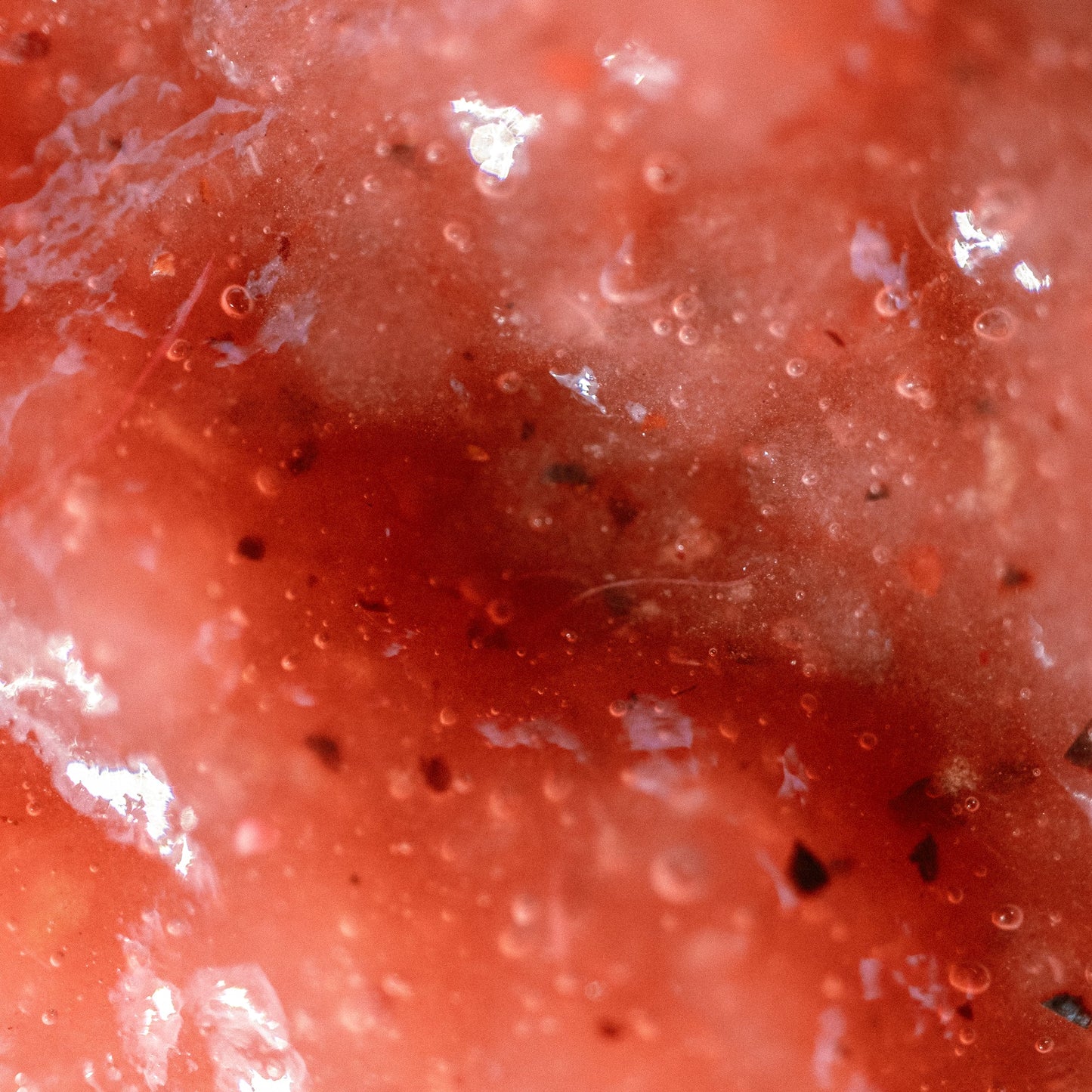
Prepared gel should look hydrated and uniform, with a smooth or lightly textured consistency depending on how it was blended. It should not be fizzy, foamy from fermentation, unusually separated, or visibly moldy. Some settling can happen in whole-food products, but dramatic changes in texture deserve attention.
When the Smell Means It Is Time to Toss It
Sea moss is natural nourishment, not a product designed to sit indefinitely without change. Refrigeration, clean handling, and a tightly sealed container help preserve prepared gel. Dried moss needs the opposite environment: cool, dry, sealed, and protected from humidity.
Discard sea moss rather than trying to rescue it if you notice four clear warning signs:
- A sour, rotten, rancid, or ammonia-like smell
- Visible mold, unexpected fuzzy growth, or dark spots that were not present before
- Bubbling, fizzing, swelling, or signs of active fermentation in a plain gel
- A sticky, slimy, or unusually watery texture paired with an off odor
Do Stronger Smells Mean More Minerals?
Not necessarily. It is tempting to assume that the strongest-smelling sea moss is automatically the most potent, but aroma cannot confirm mineral content, purity, or nutritional value. A stronger scent may simply reflect moisture, species variation, processing, or how long the package has been sealed.
What you can look for is transparent sourcing, thoughtful handling, and a product that smells clean for what it is. Sea moss is meant to support a grounded daily nourishment practice, whether you add gel to a smoothie, stir powder into a routine, or prepare dried moss yourself. The experience should feel vital, not questionable.
A Better Way to Choose Sea Moss
Start with origin. Ask whether the sea moss was responsibly harvested, whether the brand is clear about where it came from, and whether its preparation standards are easy to understand. Then consider the format that fits your rhythm. Ready-to-use gel brings convenience. Dried moss gives you control over every rinse, soak, and blend. Powder offers a simple option for travel or fast-moving mornings.
Do not choose based on scent alone, especially if you are new to sea moss. Instead, use scent as one part of a fuller quality check. Clean marine aroma, proper storage, intact packaging, and a trusted source create a far more meaningful standard than a product that has been processed until it smells like nothing at all.
The ocean has a scent because it is alive with minerals, plants, movement, and change. Your sea moss should carry that honesty with grace. Let its aroma remind you to slow down, prepare it well, and keep your daily replenishment rooted in what is real.